Voix du Paysan: Informing and Educating Citizens for Social and Climate Justice
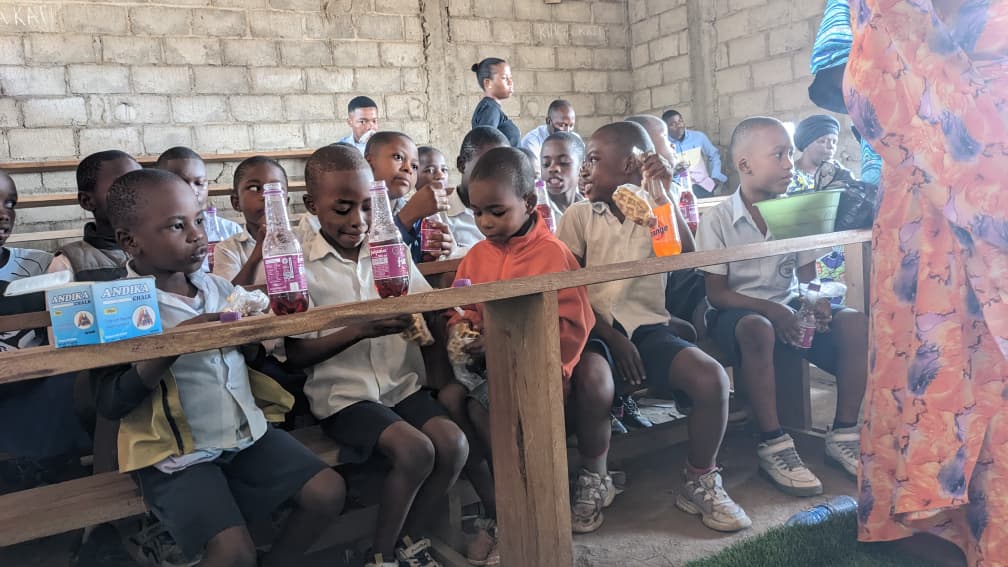
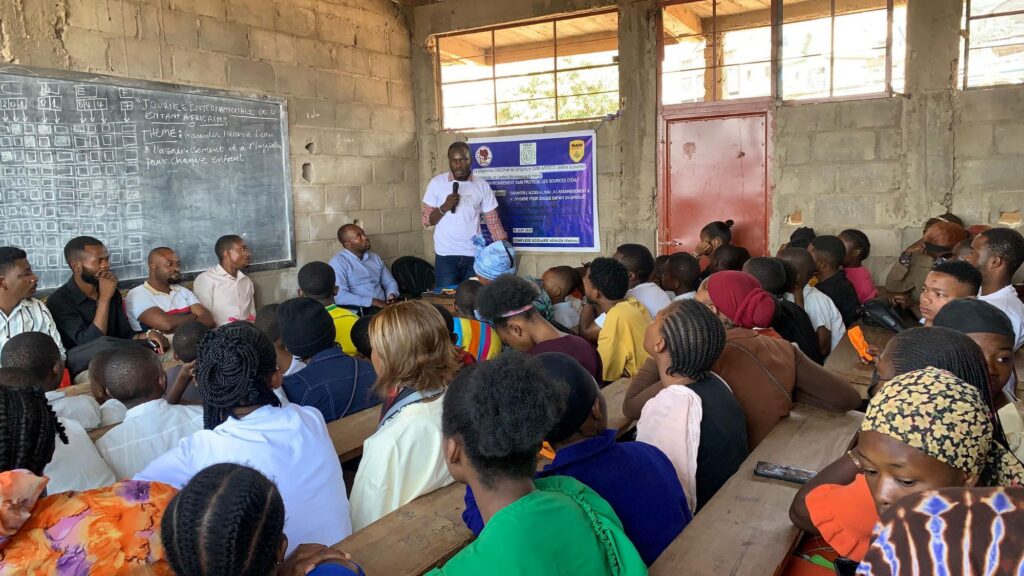
On the occasion of the Day of the African Child, celebrated on June 16, 2026, at Ashuza School Complex in Kadutu Municipality, Bukavu, the organizations DEC, AFESCO, and GAM, united within the Center for Research on Environmental Studies and Peace (CREEP-RDC), placed children at the center of discussions on access to water, sanitation, and hygiene. Through interactive discussions and practical workshops on plastic waste recycling, the young participants demonstrated their commitment to environmental protection. We have learned that protecting water begins with our own behavior. When we throw waste into drainage channels and rivers, we are destroying our future. We must learn to recycle and keep our environment clean, said one child who took part in the activities.
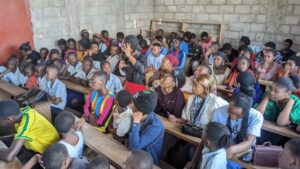
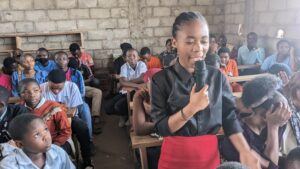
During the discussions, another child painted a moving picture of the challenges faced by children in eastern Democratic Republic of Congo. Many children walk long distances to fetch water, often very early in the morning or late in the evening. Some become sick because they drink untreated water. Others do not have easy access to healthcare, balanced nutrition, or a healthy environment. We want to grow up in clean neighborhoods where every child can safely drink clean water, the child stated, drawing both emotion and support from the audience.
At the end of the event, children and organizers formulated several concrete recommendations. They called for strengthened community awareness on hygiene and waste management, effective enforcement of environmental protection standards by both authorities and citizens, and regular monitoring of water supply infrastructure. Participants also emphasized the importance of involving children and young people in local initiatives aimed at protecting water sources. According to the organizers, these measures will help reduce the risks of waterborne diseases such as cholera, dysentery, and typhoid fever, while also protecting children from the dangers and insecurity they face during their daily search for water.
Emmanuel Ndimwiza
Editor