Voix du Paysan: Empowering and Informing Citizens Through Education — A Commitment to Social and Climate Justice
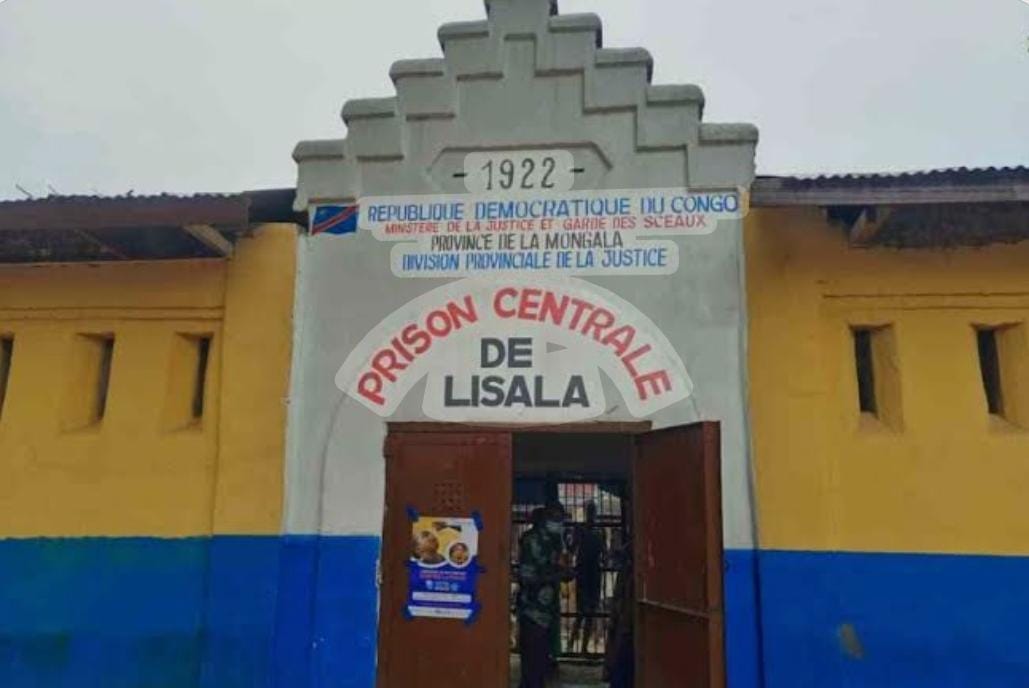
The release of seven climate defenders and activists detained in Lisala, in the province of Mongala, represents a significant development in a Democratic Republic of Congo that aspires to become a leading force in global climate justice. Arrested on July 5, 2026, and placed under provisional detention as part of case file RMP 3966/PR.064/1/NIL/ATK, these civil society actors were prosecuted in a context marked by growing tensions surrounding the defense of community lands, forests, and the rights of Indigenous Peoples. Their release serves as a reminder that justice must never be perceived as a tool of intimidation against those who raise the alarm over environmental threats, but rather as a safeguard for fundamental freedoms and the collective interest.
According to Attorney Olivier Ndoole, Executive Secretary of the Congolese Alert for Environment and Human Rights (ACEDH), this judicial decision represents an encouraging step forward, but it must also lead to deeper reflection on the protection of environmental defenders in the DRC. The organization stresses that the repeated arrests of several activists, including Indigenous defender Franck Eluo Kombe and environmental civil society actors such as Roger Nzumbo, reveal a worrying environment in which community voices risk being silenced in the face of economic interests linked to natural resource exploitation. In a country seeking to position itself as a “solution country” in response to the global climate crisis, the defense of biodiversity and human rights must never be criminalized.
This case also highlights the challenges surrounding environmental governance in the country’s strategic areas, particularly those covered by the Kivu–Kinshasa Green Corridor, an initiative presented as a major effort to conserve Congo’s ecosystems. Protecting peatlands, tropical forests, and the livelihoods of local communities requires a democratic space where defenders can fully play their role as ecological watchdogs. Strategic lawsuits against public participation, commonly known as SLAPPs (Strategic Lawsuits Against Public Participation), represent a growing threat to civic engagement and can undermine climate action efforts by discouraging those who expose environmental violations.
While commending the mobilization of lawyers, journalists, civil society organizations, and other actors who stood alongside the detained defenders, Attorney Olivier Ndoole, Executive Secretary of ACEDH, emphasizes that the regained freedom of the seven defenders must now be accompanied by strong and lasting protection guarantees. The stakes go far beyond the Lisala case: they concern the future of a development model in which nature conservation, social justice, and respect for human rights move forward together. The DRC will only be able to truly advance its message of international climate leadership if those who protect its forests and communities are themselves protected by the law.
Emmanuel Ndimwiza
Publisher – Voix du Paysan
In the Democratic Republic of Congo, the Release of Seven Climate Defenders from Lisala Revives the Debate on Environmental Justice: Between Forest Protection, Community Rights, and the Need to End SLAPP Lawsuits Against Environmental Voices