Voix du Paysan pour former et informer les citoyens : un engagement pour la justice sociale et climatique.
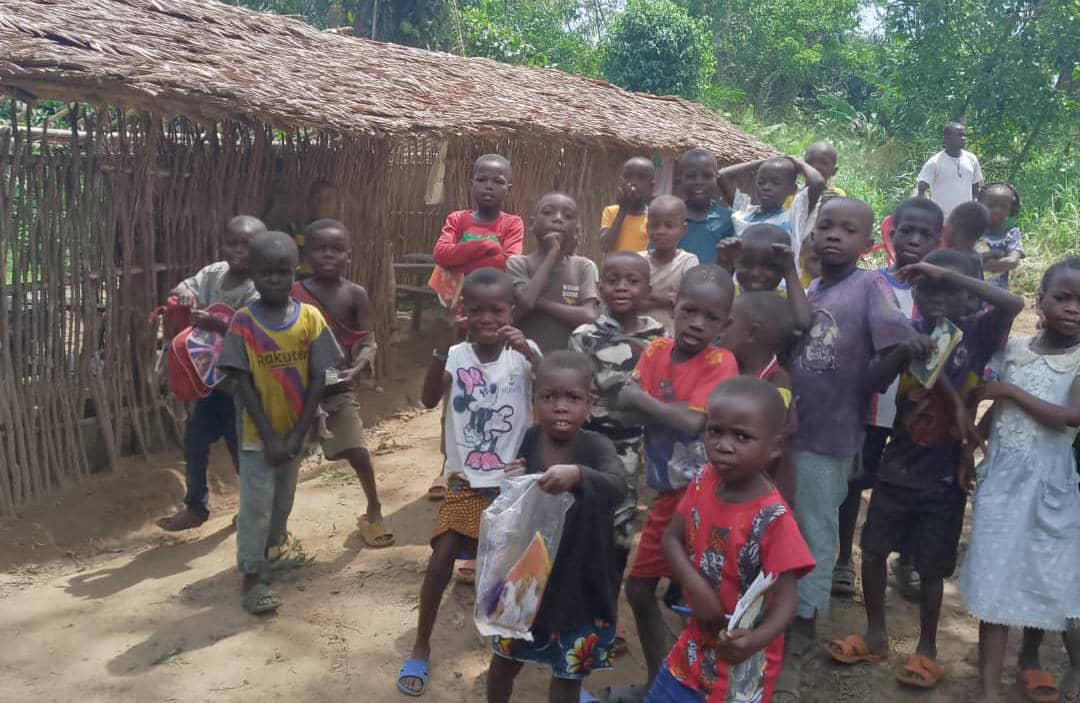
For several decades, the Indigenous Pygmy peoples of the Democratic Republic of Congo have suffered a double injustice: the erasure of their existence from development policies, and the exploitation of their image to justify foreign funding. While reports speak of millions of dollars being invested in the protection of rights or the sustainable management of forests, the Pygmy communities themselves continue to live in neglect, poverty, and exclusion. The real beneficiaries are often institutions far removed from the realities on the ground, where local priorities are ignored in favor of projects designed without the participation of those directly concerned.
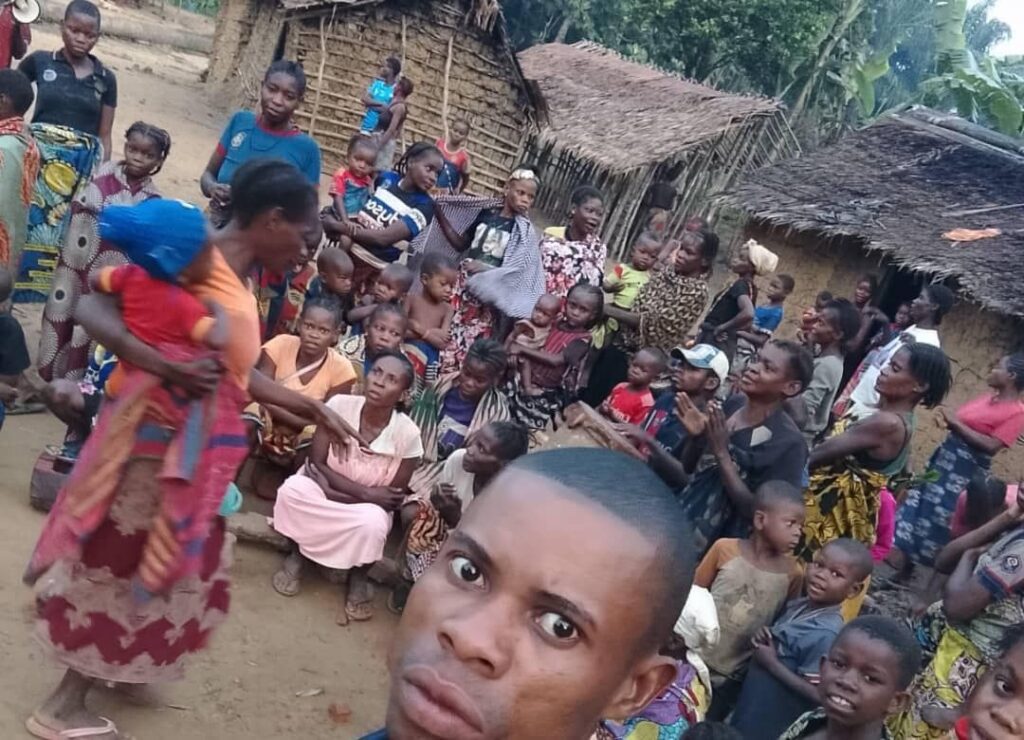
NGOs Complicit in a System of Silent Dispossession
The silence becomes even heavier when some national NGOs act as intermediaries in this system. By accepting funds, taking part in ceremonies, and producing glowing reports without tangible results for the communities, they betray the very cause they claim to defend. While the forest disappears and young Pygmies are deprived of access to education and healthcare, these organizations validate policies stripped of all justice. This system of aid becomes a distorted mirror, where the true impact is erased behind flattering statistics.
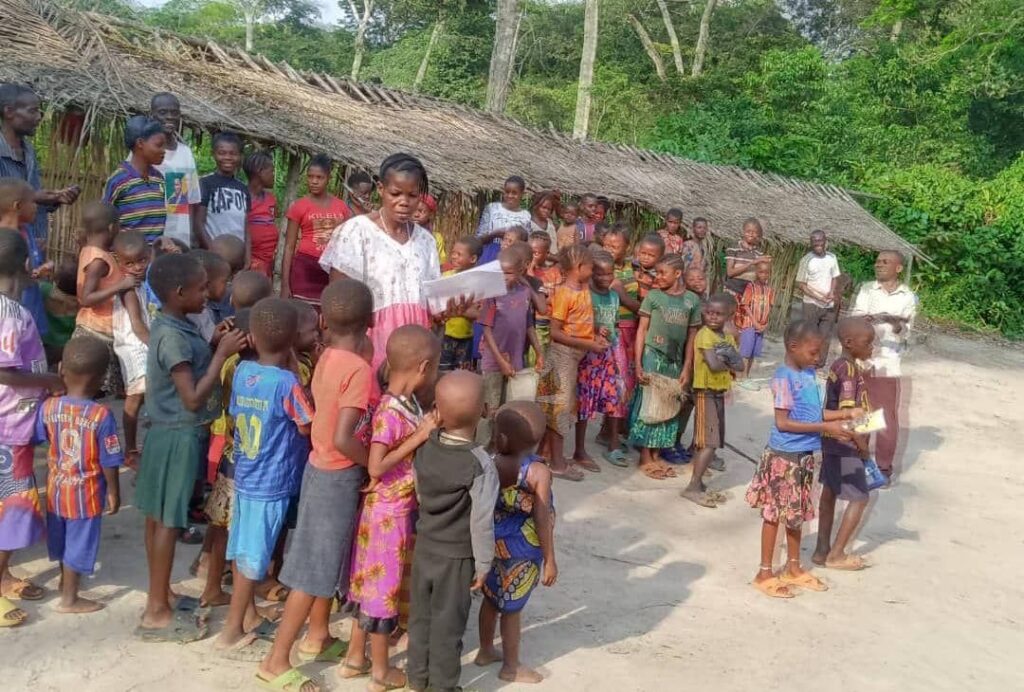
A Call for Justice, Respect, and Genuine Partnership
Through the testimony of John Benani Nkumu Luanda, a Pygmy defender and voice of the oppressed, an essential truth emerges: Indigenous peoples are not asking for charity, but for dignity. They want to be the actors of their own development, recognized for their central role in forest preservation, and included in the decisions that concern them. It is time for donors, NGOs, and governments to rethink their approach — not to speak on behalf of communities, but with them, in transparency, mutual respect, and co-construction.
The Editorial Team