Voix du Paysan to educate and inform citizens: a commitment to social and climate justice.
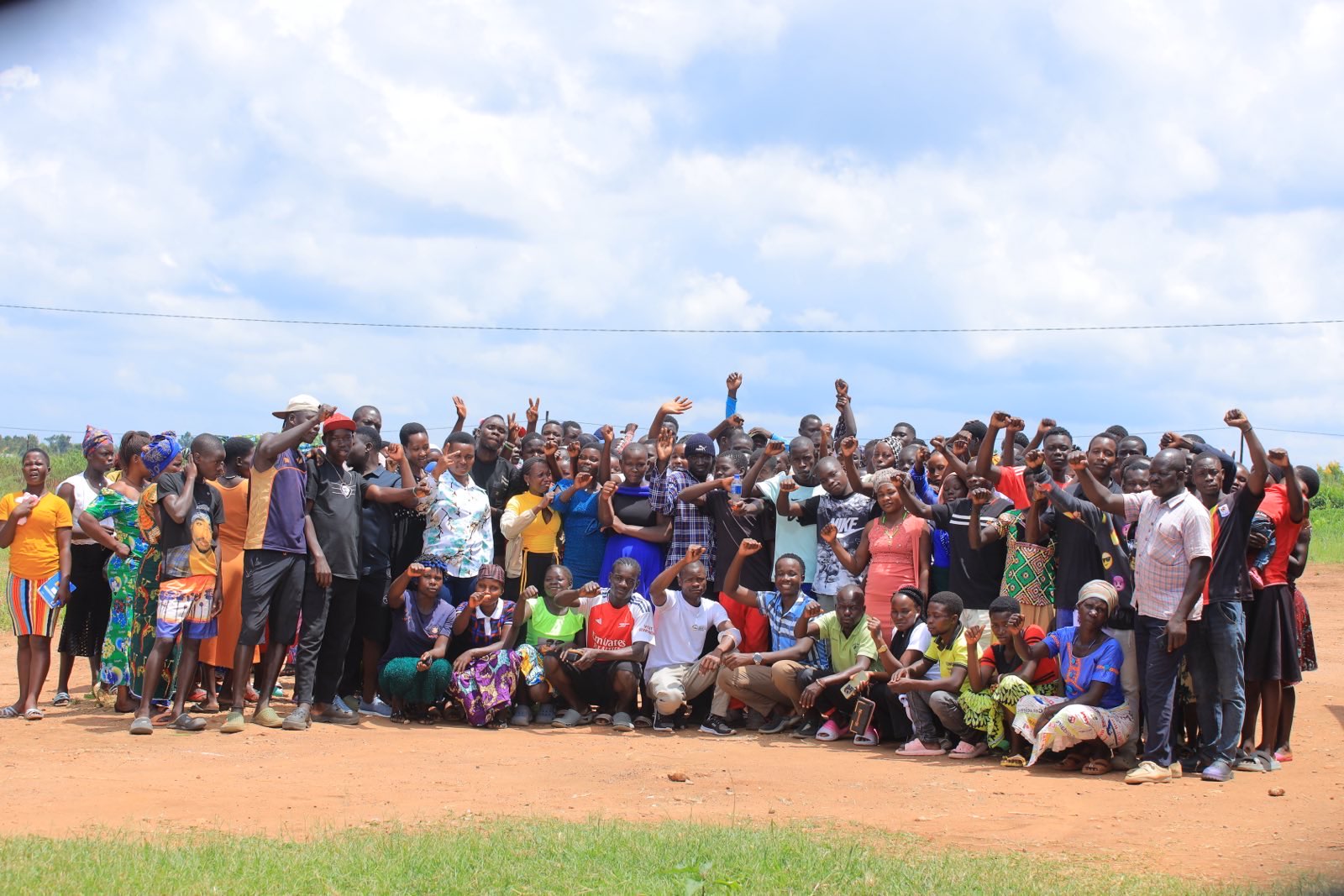
In the face of the environmental and social crises triggered by oil projects in East Africa, the communities living along the East African Crude Oil Pipeline corridor are sending a clear message: climate justice only makes sense when it puts people at the center of decision-making. For them, the impacts of climate change are not abstract concepts but a daily reality—loss of land, food insecurity, forced displacement, and the destruction of ecosystems essential to their survival. In this context, they reaffirm that the ecological transition must be grounded in the rights, voices, and needs of local communities, not in the economic interests of corporations seeking to impose their extractive model.
Communities on the Frontlines of Pipeline Impacts and the Climate Crisis
Host communities along the EACOP corridor are already facing the direct consequences of oil expansion: the grabbing of arable land, disruption of livelihoods, rising social pressures, and increased structural violence against vulnerable groups, especially women and girls. Added to this are the effects of climate change, which intensify droughts, floods, and crop losses, deepening poverty and social tensions. For affected residents, it is clear that the fossil fuel industry can no longer claim to offer climate solutions while continuing to fuel the very crises it pretends to address.
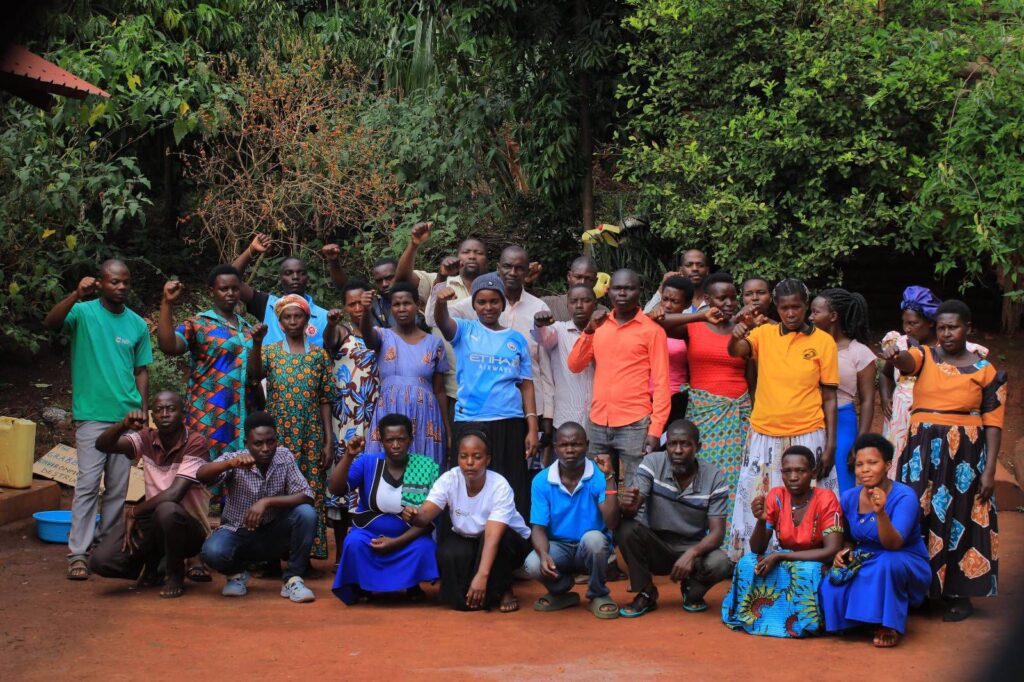
Change the System, Not the Climate: Citizen Mobilization for a Just and Sustainable Future
Supported by human rights, women’s, and youth movements, communities are calling for climate justice rooted in citizen participation, transparency, and the protection of socio-environmental rights. They demand the abandonment of destructive oil projects like EACOP and advocate for investment in resilient, sustainable economic models that genuinely benefit local populations. By declaring “change the system, not the climate,” they highlight the urgency of transforming the structures that perpetuate injustice in order to build a future where communities are no longer sacrificed but fully recognized as key actors and solution-bearers.
The Editorial Team