Voix du Paysan: Educating and Informing Citizens in Pursuit of Social and Climate Justice
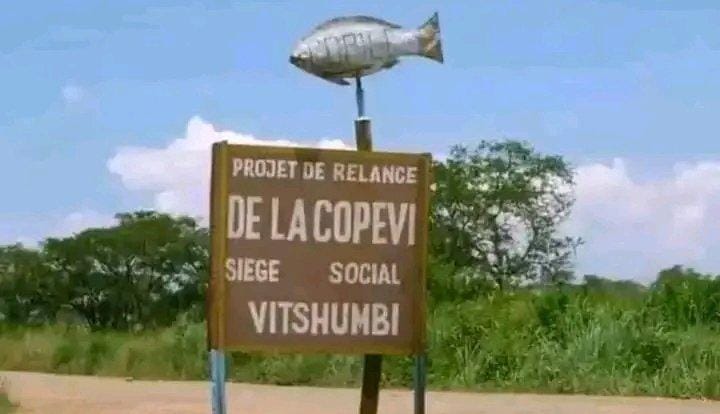
At the heart of the Democratic Republic of the Congo, a battle is unfolding that extends far beyond disputes over fishing permits, vehicle registration plates, or administrative mandates. What is truly at stake is the credibility of the country’s environmental rule of law. The letter submitted by ACEDH to the Minister of State for the Environment—with copies sent to the President of the Republic, the Speaker of the National Assembly, the Prime Minister, the Presidents of the Constitutional Court and the Council of State, the relevant ministers, the Congolese Institute for Nature Conservation (ICCN), UNESCO, the Delegation of the European Union, the Military Governor of North Kivu, provincial authorities, the territorial administrators of Beni and Lubero, the management of Virunga National Park, COOPEVI, and the media—is far more than an administrative appeal. It serves as a solemn reminder that conservation cannot be governed by emotion, inaccurate reporting, or political calculations, but only by the Constitution, the law, and the Democratic Republic of the Congo’s international commitments. When a protected area is fragmented by conflicting interpretations, it is not only public institutions that are weakened; the nation’s entire natural heritage becomes increasingly vulnerable.

Virunga National Park is not an ordinary administrative territory. It is an ecological asset of outstanding universal value, recognized worldwide, with Lake Edward forming one of its most vital components. Attempting to separate the lake’s waters from the park’s terrestrial ecosystem would amount to denying the ecological unity that underpins modern conservation policy. Congolese legal instruments, including the Constitution and legislation governing nature conservation, affirm that protected areas must be managed as coherent and integrated entities. Within this framework, the mandate entrusted to the ICCN extends well beyond wildlife protection; it encompasses safeguarding the ecological integrity of the entire park, including its aquatic ecosystems. This responsibility does not diminish the roles of other sectoral administrations. Rather, it establishes that within a protected area, conservation imperatives constitute the legal and institutional framework within which all human activities must be organized. Such an interpretation deserves careful and objective consideration to ensure that incomplete information, vested interests, or institutional rivalries do not mislead decision-makers and create a damaging climate of confusion for both local communities and biodiversity.
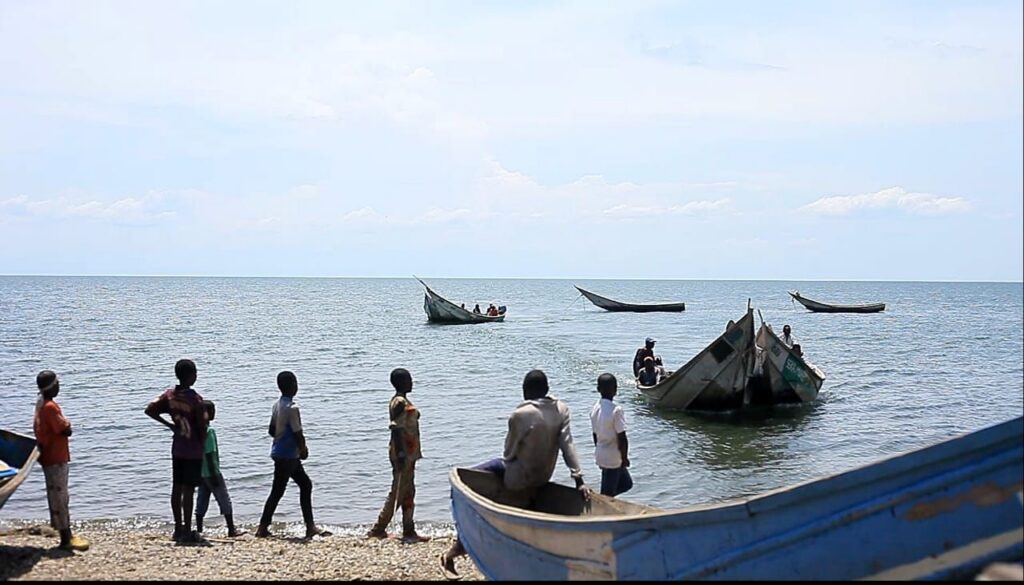
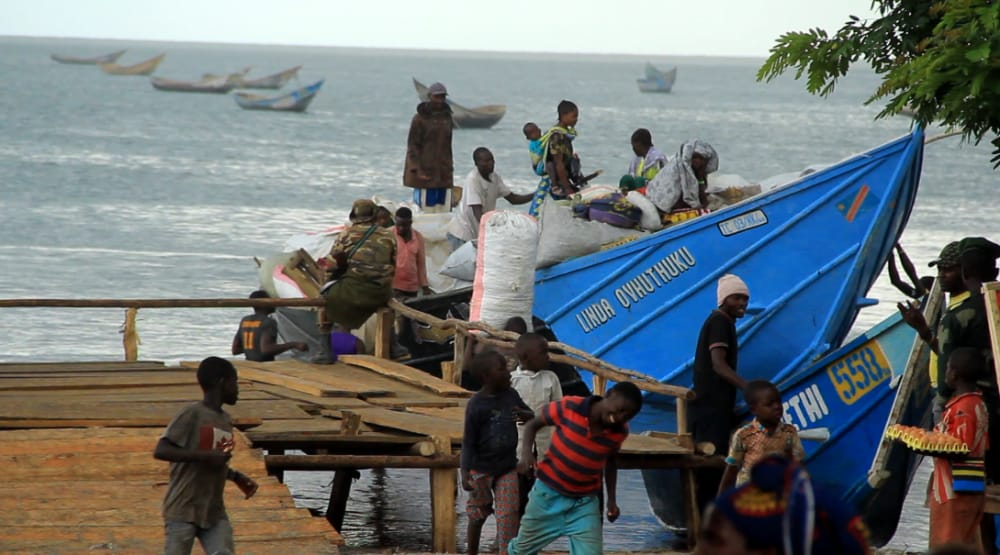
The stakes, moreover, extend well beyond national borders. The future of Virunga National Park is closely watched by UNESCO, international partners, and all those who recognize that the Democratic Republic of the Congo bears a unique responsibility for safeguarding a heritage that belongs to humanity as a whole. Any uncertainty regarding the chain of authority or any challenge to the institution legally mandated to manage the park could undermine the confidence of technical and financial partners, jeopardize years of conservation efforts, and fuel local tensions that would ultimately benefit illegal exploiters of natural resources. Yet riverside communities, law-abiding fishers, traditional authorities, civil society organizations, and public institutions all share a common interest: ensuring that fishery resources remain available for future generations. Achieving this objective requires sustained dialogue among the Ministry of the Environment, the Ministry of Fisheries, the ICCN, provincial and territorial authorities, and all relevant stakeholders, grounded firmly in the rule of law and the factual truth.
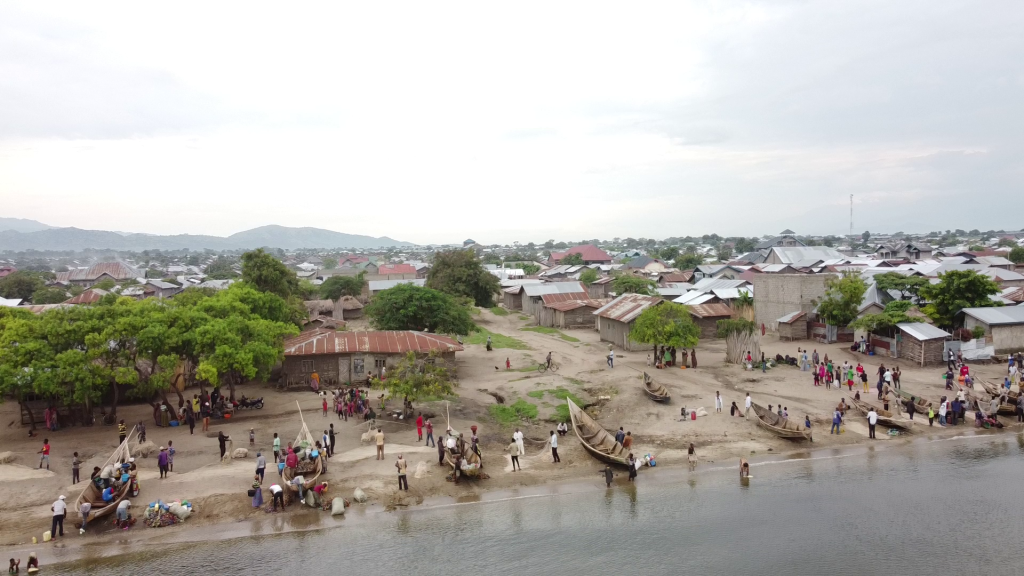
Ultimately, the real question is not which institution will prevail in an administrative dispute, but whether the Democratic Republic of the Congo will choose to strengthen or weaken the governance of its protected areas. Public decision-makers have a duty to subject every piece of information to rigorous verification before transforming it into a decision capable of producing irreversible consequences. In this context, ACEDH’s request for reconsideration calls for a thorough review of the legal and technical foundations governing the management of Virunga National Park and Lake Edward. The recognition of the ICCN’s full authority within the park’s legally established boundaries, as advocated by the organization, reflects a vision of integrated governance aimed at preserving the ecological integrity of this World Heritage Site while reconciling conservation imperatives with the rights and livelihoods of local communities. It is precisely in this ability to reconcile legality, science, public accountability, and the common good that the greatness of a State is measured. For a World Heritage Site can only be protected through institutional coherence—never through confusion over mandates.
Emmanuel Ndimwiza
Editor – Voix du Paysan