Voix du Paysan – Informing and empowering citizens through a commitment to social and climate justice.
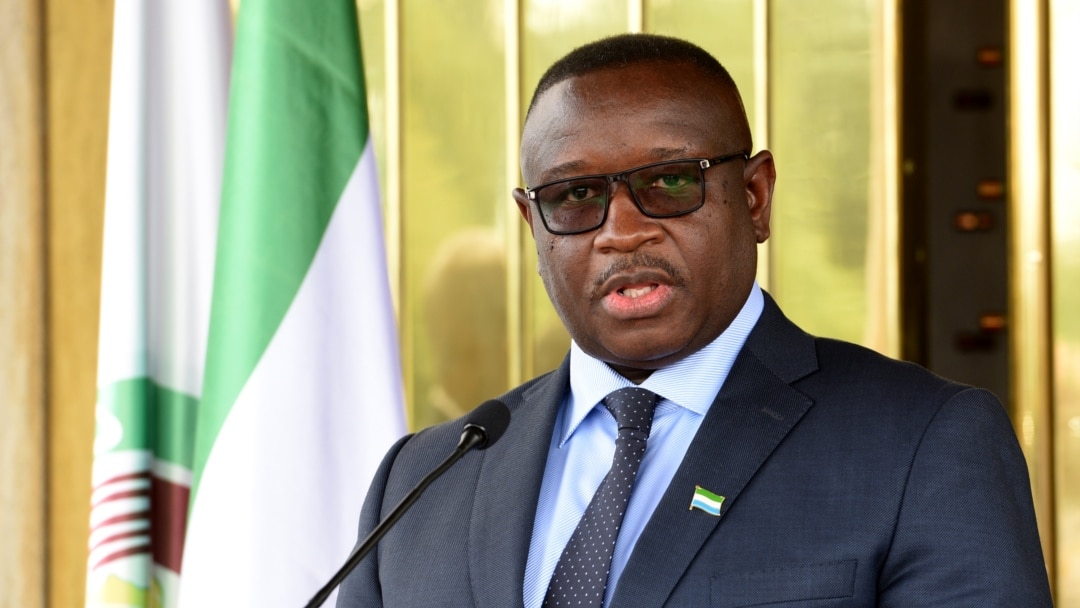
Sierra Leone’s ratification of the Protocol establishing the African Court on Human and Peoples’ Rights is far more than a diplomatic milestone. By formally joining the community of States Parties to this landmark legal instrument, President Julius Maada Bio’s government has sent a powerful message across the continent: the protection of human rights—including environmental rights—can no longer remain confined to political declarations. At a time when Africa is grappling with escalating conflicts over natural resources, the mounting impacts of climate change, and widespread environmental degradation, this decision represents a concrete commitment to a regional justice system that is more accessible, effective, and responsive to the needs of its people.
It is in this spirit that the Environmental Rights in Africa (ERA) coalition has welcomed this historic development while urging other African Union member states to follow Freetown’s example. Bringing together more than 75 civil society organizations across over 40 African countries, ERA regards the strengthening of the African Court as a vital mechanism for advancing the rule of law, democratic governance, and the protection of communities affected by environmental harm. Coinciding with the twentieth anniversary of the Court’s operational journey, Sierra Leone’s ratification also symbolizes a renewed determination to place environmental rights at the forefront of Africa’s legal and political agenda.
ERA’s leadership views this milestone as an opportunity to build a truly continental framework that guarantees access to environmental information, meaningful public participation in decisions concerning natural resources, and effective access to justice. According to Ahmad Abdallah, Chair of the Coalition’s Steering Committee, Sierra Leone has demonstrated that principled political leadership can transform international commitments into tangible mechanisms of accountability. Abdul Karim Marah, Executive Director of Global Youth Counterpart, likewise emphasized that the ratification strengthens the role of young people in decision-making processes, particularly in addressing climate change and promoting inclusive and sustainable development.
Beyond Sierra Leone, the implications are continental. As Africa confronts growing challenges linked to natural resource exploitation, pollution, deforestation, and the far-reaching consequences of climate change, governments are being called upon to reinforce institutions dedicated to protecting both human rights and the environment. ERA’s appeal urges African leaders to translate their commitments into meaningful action, ensuring that citizens enjoy genuine access to environmental justice. Through this landmark decision, Freetown has done more than write a new chapter in its legal history—it has charted a course toward an Africa where environmental protection, the rights of its people, and state accountability advance hand in hand.
Emmanuel Ndimwiza
Editor – Voix du Paysan
Sierra Leone: By Ratifying the African Court Protocol, Freetown Ushers in a New Era for Environmental Justice and Challenges African States to Uphold Their Responsibilities