Voix du Paysan: Informing and Empowering Citizens for Social and Climate Justice
With every resurgence of the Ebola virus disease in eastern Democratic Republic of the Congo (DRC), one reality remains largely overlooked: that of the Indigenous Pygmy peoples living in and around the country’s vast forests and protected areas. These communities are among those most exposed to health risks, yet they remain among the least visible in prevention and response strategies. Their dependence on the forest, the geographical isolation of their villages, and the historical discrimination they continue to face all increase their vulnerability to a disease in which every hour counts.
Although Ebola treatments are now available free of charge through national and international response programmes, access to them is far from guaranteed for everyone. In many forest communities, health centres are located dozens of kilometres away, roads are poor or non-existent, and transport costs are beyond the means of families living in extreme poverty. These material barriers are compounded by language differences, limited consideration of cultural realities, mistrust resulting from years of marginalisation, and the continuing insecurity affecting parts of eastern DRC. Together, these obstacles delay diagnosis, complicate treatment, and increase the risk of transmission.
Social inequality is therefore a major driver of health risk. Indigenous Pygmy peoples continue to experience limited access to education, public services, identity documents, social protection mechanisms, and representation in public policy. This exclusion reduces their participation in awareness campaigns, community surveillance systems, and vaccination programmes when these are deployed. An effective response to Ebola cannot therefore be purely medical; it must also address the social determinants that increase the vulnerability of the most marginalised populations.
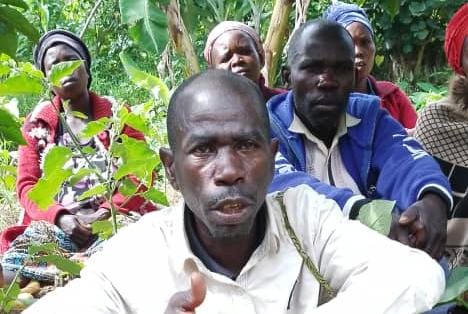
Yet these communities are not merely victims. They demonstrate remarkable resilience and organisational capacity. In several territories, traditional leaders, community health volunteers, women leaders, young volunteers and, where appropriate, traditional healers working alongside public health authorities help combat rumours, share prevention messages, and ensure that sick individuals are referred quickly to treatment facilities. This local mobilisation is a vital means of strengthening trust between communities and Ebola response teams.
Experience from previous Ebola outbreaks has shown that inclusive approaches save more lives. Public health strategies are more effective when they incorporate local languages, cultural references, and the knowledge of the communities concerned. Mobile health teams, community health workers recruited from Indigenous communities, strengthened local health services, and the active participation of communities in decision-making are all essential if the most remote populations are to be reached.
Beyond the immediate public health emergency, the resurgence of Ebola highlights a fundamental truth: public health cannot be separated from social justice. Protecting Indigenous Pygmy peoples strengthens the resilience of all communities living around the great forest ecosystems of the Congo Basin. Governments, humanitarian agencies, human rights organisations, research institutions, and international donors now have an opportunity to turn the lessons of past crises into long-term investments in health systems that are more equitable, more inclusive, and better prepared for future epidemics.
No one should be denied healthcare because of their ethnicity, where they live, or their way of life. Recognising Indigenous Pygmy peoples as full partners in the response to Ebola is not only a public health necessity; it is also an imperative of human dignity, justice, and effectiveness.
Emmanuel Ndimwiza
Editor – Voix du Paysan