The Voice of the Peasant: Informing and Educating Citizens — A Commitment to Social and Climate Justice.
From Milan to London, from Rome to Manchester, a generation is taking to the streets to demand citizenship, equal rights, and a fairer future. Behind this transnational mobilization lies a troubling question: can young people be expected to build a society that sometimes denies them full recognition?
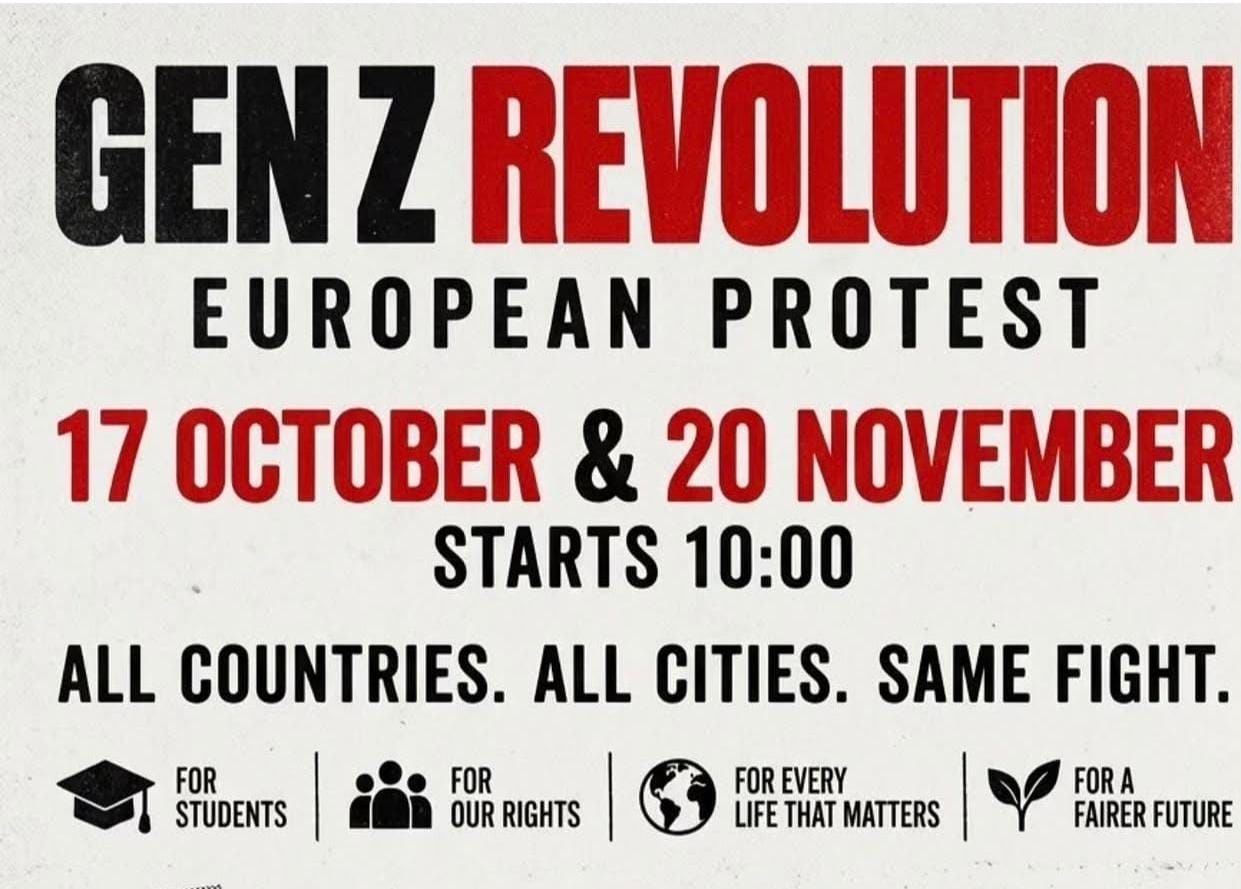
Young people no longer want to be mere backdrops to political speeches; they intend to become drivers of change. On October 17 and November 20, the Gen Z Revolution movement is calling for mobilization in several cities across Europe and beyond, with the stated ambition of bringing together initiatives in more than 40 countries. In Italy, young people from immigrant backgrounds, particularly the Nuovi Italiani (New Italians), are championing an essential demand: full and equal recognition in the societies where they grow up, study, and build their futures. From Milan to Rome, and from London to Manchester, the message is clear: administrative borders should not condemn an entire generation to living indefinitely in limbo—contributing to the economy and society while remaining insufficiently recognized in their rights.
For behind the demand for citizenship lies a deeper struggle: the fight for genuine equality. How can a young person be expected to feel fully part of a nation when their belonging remains contested, even though they share its schools, streets, aspirations, and challenges? How can we speak of integration without guaranteeing dignity, representation, and equal opportunities? A society cannot continue celebrating diversity in its slogans while allowing barriers to persist for those who contribute to everyday life. Citizenship should be neither a favor granted at someone’s discretion nor a promise endlessly postponed. It requires fair rules, accessible procedures, and political will that reflects human realities.
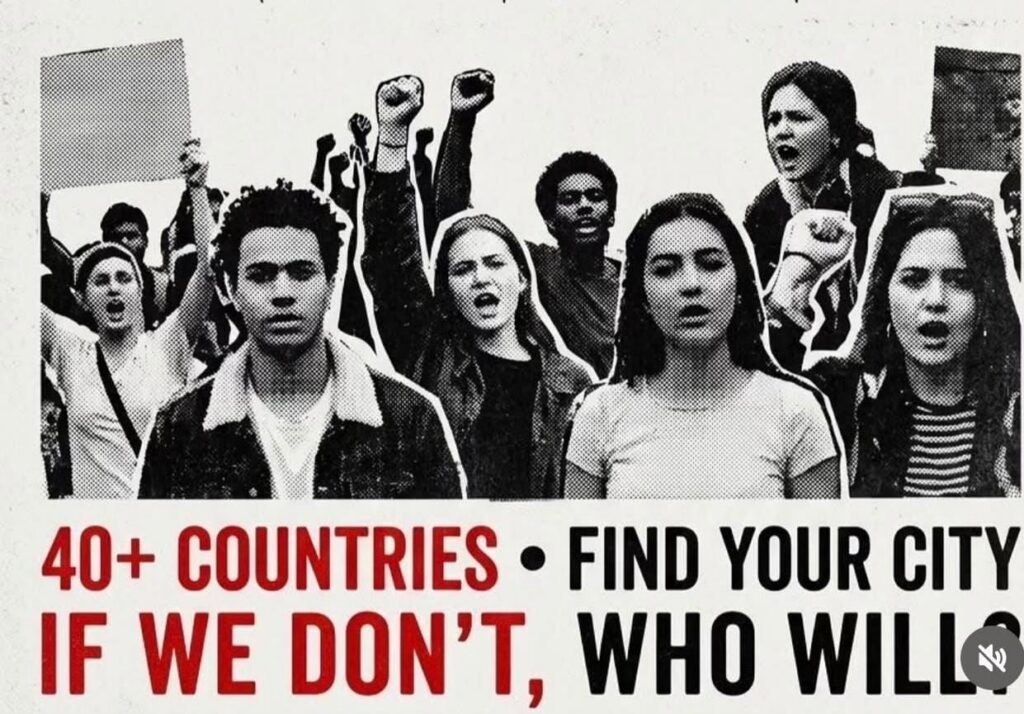
But governments should take heed: this mobilization is not exclusively about young people from immigrant backgrounds. It challenges every generation to consider the kind of democracy it wishes to pass on. The right to education, respect for every individual, civic participation, and the creation of a sustainable future are not secondary demands to be heard condescendingly before business returns to normal. They are the very foundations of a society that claims to defend freedom and equality. What is the point of proclaiming national unity if part of the younger generation feels kept at a distance? What is the point of praising meritocracy if one’s background or administrative status becomes a barrier to belonging? Institutions that refuse to listen to these questions risk turning frustration into a breakdown of trust.
The international scope claimed by Gen Z Revolution also reminds us that the struggles of young people can no longer be confined within rigid national borders. Fifteen years after the emergence of the Occupy movement, whose symbolic legacy inspires this call, a new generation is seeking to connect struggles for social justice, civil rights, and a more sustainable future. From European streets to African societies, the same question runs through public debate: what place do we reserve for those who will inherit the consequences of our decisions? In the Democratic Republic of the Congo, where young people face unemployment, inequality, conflict, and difficulties accessing quality education, this challenge resonates particularly strongly, even though the Congolese reality is not identical to that of Europe. Contexts may differ, but the demand for dignity, participation, and public accountability deserves to be heard everywhere.
The time has therefore come to move beyond declarations of principle that lead nowhere. If authorities want to prevent young people from viewing institutions as fortresses erected against them, they must create genuine spaces for dialogue, guarantee equality before the law, and translate promises into concrete action. Citizens, too, cannot demand a better future while abandoning the streets, public debate, and democratic spaces to those who speak in their name without always listening to them. The October 17 and November 20 mobilizations will not, by themselves, resolve the contradictions of contemporary societies. Nevertheless, they can serve as a reminder of an uncomfortable truth: a generation endlessly told to wait will eventually demand accountability. So, who will defend young people’s rights if they do not stand up for them themselves? And what kind of future can we claim to be building when those who must live in it do not have a full voice in shaping it? The streets are not always the answer, but when the doors to dialogue remain closed, they sometimes become the place where a generation finally demands to be heard.
Let us reclaim the streets.
Let us reclaim the future. Young people are not asking for permission to exist: they are demanding the right to participate fully in the society they are already helping to build.
Emmanuel Ndimwiza
Editor— The Voice of the Peasant