Voix du Paysan to educate and inform citizens, a commitment to social and climate justice.
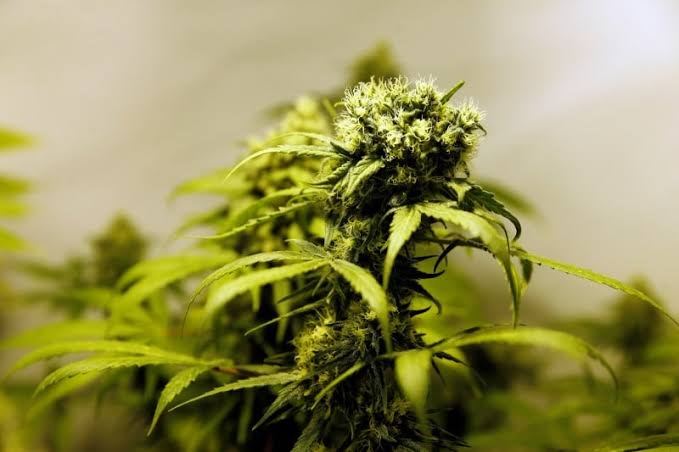
Long relegated to the background of public debate, the drug economy in the Democratic Republic of the Congo nonetheless represents a very real and constantly evolving reality. While the country is not considered a major global producer of hard drugs, it nevertheless occupies a strategic position in the regional and international geography of narcotics. The cultivation of hemp, commonly referred to as local cannabis, is widespread in several provinces, notably Ituri, North Kivu and South Kivu, where it sometimes constitutes a substitute source of income for populations facing poverty, insecurity and a lack of economic alternatives. Furthermore, the DRC serves as a transit corridor for international criminal networks, facilitating the passage of drugs such as cocaine from South America to Europe, transiting through Central and West Africa. This geographical position, combined with weak border controls and corruption, strengthens the country’s integration into global drug trafficking circuits.
Rising local consumption, a symptom of a social and health crisis
Beyond its role in production and transit, the DRC is facing a worrying increase in drug consumption within its own territory. Cannabis, diverted pharmaceutical products such as tramadol and diazepam, cocaine, as well as artisanal substances such as “bomber” or “mkombé”, are circulating increasingly in both urban and rural environments, particularly affecting young people. This growing consumption is closely linked to structural factors such as mass unemployment, economic insecurity, trauma related to armed conflicts and the absence of psychosocial support systems. In the absence of prevention policies and harm reduction measures, users evolve in an environment marked by stigma, health insecurity and a lack of appropriate care. This situation exacerbates public health problems, encourages social marginalisation and compromises the future of a significant segment of Congolese youth.
A flourishing criminal business in the face of the absence of a structured state response
The drug economy in the DRC has also become a highly lucrative criminal sector, serving as a source of funding for certain armed groups and organised criminal networks. Revenues from drug trafficking fuel the proliferation of weapons, sustain local violence and further weaken state authority, already severely tested in several regions of the country. This criminality often thrives with the complicity of certain corrupt authorities, which makes the fight against the phenomenon even more complex. At the same time, the absence of a clear legal and strategic framework, both in combating trafficking and in providing care for consumers, leaves a worrying institutional vacuum. Without a coherent national policy of prevention, harm reduction and targeted repression of criminal networks, the drug economy will continue to develop in the shadows, at the intersection of security, public health and political stability issues, with lasting consequences for Congolese society.
The Editorial Team
Drug Economy in the Democratic Republic of the Congo, a discreet phenomenon but one rapidly expanding with heavy security, health and economic consequences