Voix du Paysan to educate and inform citizens: a commitment to social and climate justice.
The coalitions Notre Terre Sans Pétrole (NTSP) and Stop EACOP have issued a strong warning regarding the oil discussions underway between the Democratic Republic of Congo and Uganda over the Albertine Graben, arguing that these negotiations could pave the way for an accelerated expansion of the fossil fuel industry in a region already weakened by conflict, poverty, and environmental pressure.
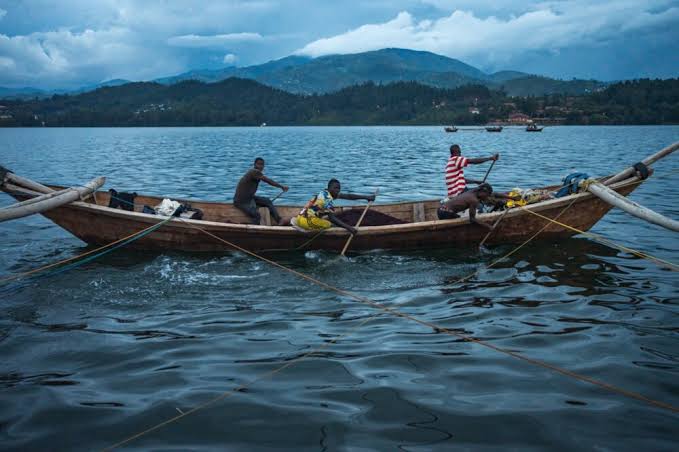
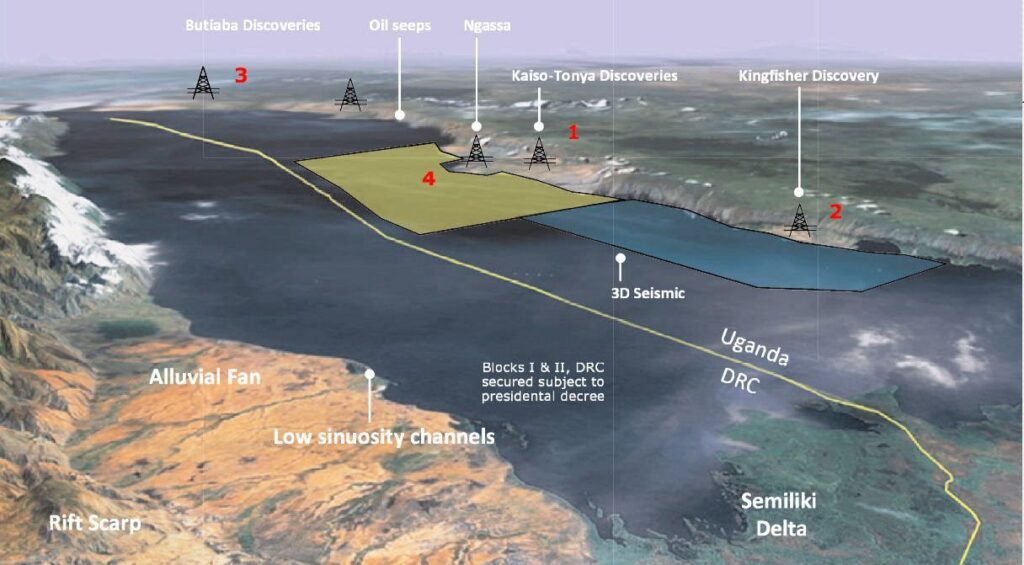
In their statement released in Kampala on May 12, 2026, the two coalitions condemned the lack of transparency surrounding the discussions held between Presidents Félix Tshisekedi and Yoweri Museveni during the Congolese Head of State’s official visit to Uganda. Environmental organizations expressed particular concern over talks related to the management of transboundary natural resources around Lake Albert, Lake Edward, and the Semliki River, an area where fishing communities depend directly on aquatic resources for their survival. According to climate activists, the possible integration of the DRC into Uganda’s oil infrastructure projects — particularly Tilenga, Kingfisher, and EACOP — could intensify the destruction of already fragile ecosystems and extend to eastern Congo the environmental and social consequences already observed in Uganda and Tanzania, including water pollution, forced displacement, loss of livelihoods, and the growing marginalization of local communities.
Fishing Communities Denounce an Extractivist Model Imposed Without Consultation or Environmental Safeguards
At the heart of the concerns raised by the NTSP and Stop EACOP coalitions lies the issue of environmental justice and the role of local populations in strategic decisions affecting their territories. The organizations accuse the Congolese and Ugandan governments of conducting crucial discussions over the Albertine Graben’s oil resources without meaningful consultation with riverside communities, despite the fact that these populations will be the first to suffer the ecological and social consequences of future projects.
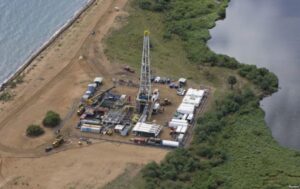
Representatives of fishing communities around Lake Albert point out that oil activities already underway in Uganda have caused visible environmental degradation, including pollution in lagoons connected to the lake, poor industrial waste management, and increasing pressure on fishery resources. Activists also highlight the human impacts often overlooked in major oil developments: rising local inequalities, the economic marginalization of women fish vendors, land pressure, and social disruption within lakeside villages.
According to the environmental coalitions, these projects reproduce an extractivist model in which profits primarily benefit multinational oil corporations and political elites, while local populations bear the burden of displacement, pollution, and the gradual destruction of their livelihoods. The organizations also recall that a legal case has already been filed before the East African Court of Justice to denounce the transboundary impacts of oil projects on biodiversity, water resources, and communities living around Lake Albert and the Semliki River.
Transparency, Independent Assessments, and Community Consent: Environmental Coalitions Demand a Radical Shift in Governance
In response to what they describe as the opaque expansion of the fossil fuel industry in the Great Lakes region, the NTSP and Stop EACOP coalitions have proposed several concrete measures aimed at protecting threatened communities and ecosystems. First and foremost, they call for transparent, inclusive, and genuinely participatory discussions on the management of natural resources in the Albertine Graben, with the direct involvement of fishers, community organizations, and local residents in all decision-making processes. The two coalitions are also demanding the immediate suspension of any new cross-border oil expansion until credible environmental, social, and democratic safeguards are established.
They further advocate for independent and publicly accessible assessments of the environmental, climatic, and human impacts of the Tilenga, Kingfisher, and EACOP projects, so that affected populations can fully understand the risks involved. Environmental movements also stress the importance of respecting the principle of free, prior, and informed consent for affected communities, in accordance with international human rights and environmental governance standards. For these coalitions, protecting Lake Albert, Lake Edward, and the Semliki River is not merely an ecological struggle; it is also about defending food sovereignty, local economies, the rights of riverside populations, and the environmental future of the entire Great Lakes region against the expansion of a fossil fuel industry viewed as incompatible with climate justice and the sustainable protection of territories.
The Editorial Team