Voix du Paysan stands to educate and empower citizens: a commitment to social and climate justice.
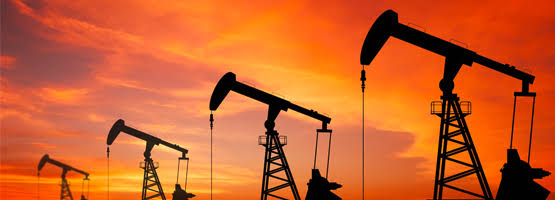
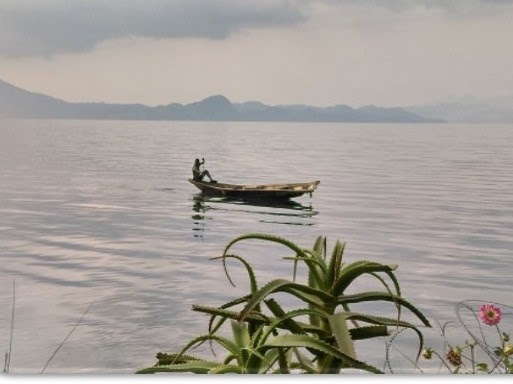
The Great Lakes region of Africa, rich in energy resources, is increasingly attracting the attention of global powers and multinational corporations. Oil, natural gas, coal — these resources are fueling competition in a world where energy remains at the heart of geostrategic rivalries. According to Congolese geologist Prof. Luboya K. from the University of Goma, oil exploration around Lakes Albert and Tanganyika is intensifying border tensions, fueling community conflicts, and raising environmental risks in already fragile ecosystems.
Researchers also highlight the ambivalent role of States. On one hand, they seek oil revenues to finance development; on the other, they struggle to regulate extractive industries, often captured by elites or foreign firms. The lack of transparency in oil contracts and the absence of community consultation deepen feelings of injustice, notes an environmental activist and energy governance expert who spoke anonymously to our media.
On the ground, local populations often suffer the harmful consequences without seeing the promised economic benefits. Soil pollution, forced displacement, destruction of biodiversity — testimonies gathered in South Kivu and Northern Uganda paint a grim picture. Burundian researcher Jean-Claude Nduwayo warns: “The real wealth of this region lies in its ecosystems and its people. Fossil fuels must not become a curse.”
Faced with these challenges, interviewed scientists are calling for a just energy transition tailored to local realities. They advocate for citizen oversight mechanisms, stronger regional cooperation, and fair taxation of oil companies. In this volatile zone, the way fossil resources are managed may ultimately determine the stability and sovereignty of Great Lakes nations.
Editorial Team
Black Gold, Green Tensions: The Hidden Face of Fossil Fuels in Africa’s Great Lakes Region