Voix du Paysan: Informing and Empowering Citizens for Social and Climate Justice
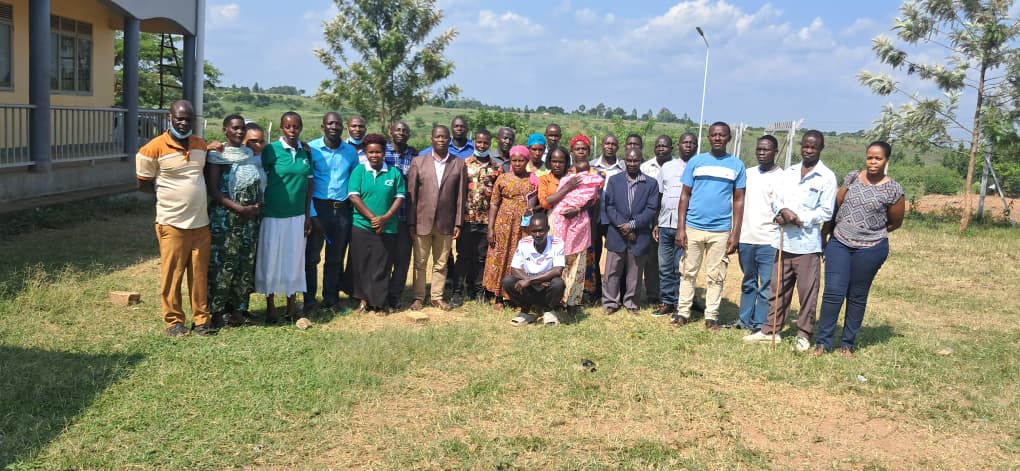
Far from conference halls and international climate negotiations, another form of environmental governance is taking shape in the very communities directly affected by oil development. Last week, AFIEGO facilitated an exchange visit between communities impacted by oil projects in the Greater Masaka and Bunyoro sub-regions of Uganda. The gathering enabled residents to compare their lived experiences, discuss the challenges they face—including land expropriation, threats to livelihoods, pressure on land and ecosystems—and share the strategies they have developed to defend their rights. Beyond the exchange of experiences, the initiative reflects the determination of local communities to strengthen their collective capacity in the face of a fossil fuel industry whose impacts extend far beyond local boundaries.
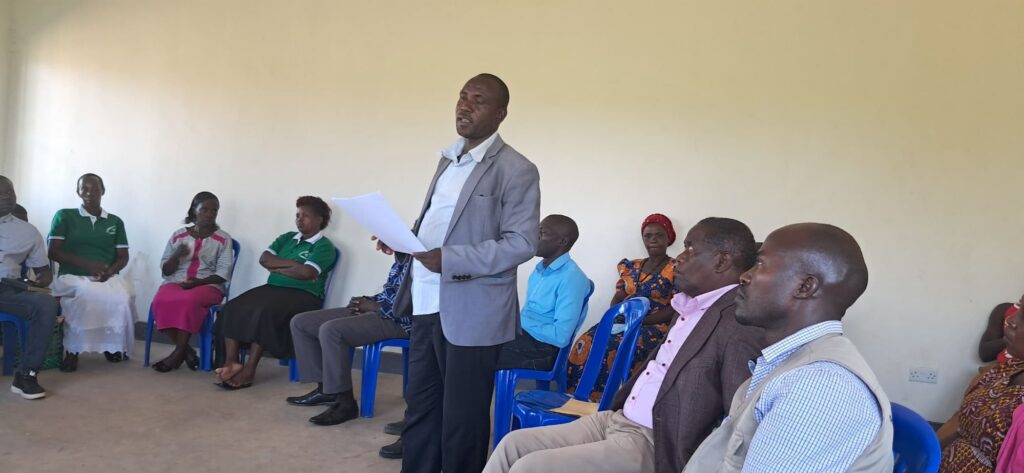
The discussions also highlighted a reality that is often underestimated: communities living near large-scale oil developments face remarkably similar challenges regardless of their location. The gradual loss of agricultural land, concerns over water pollution, declining biodiversity, and the feeling of being inadequately consulted have all contributed to a growing sense of uncertainty. In this context, peer-to-peer learning has emerged as a powerful tool for empowerment. By learning from the successes, mistakes, and advocacy strategies of other communities, participants are strengthening their ability to engage with public authorities, defend their land rights, and demand greater transparency in the implementation of oil and gas projects.
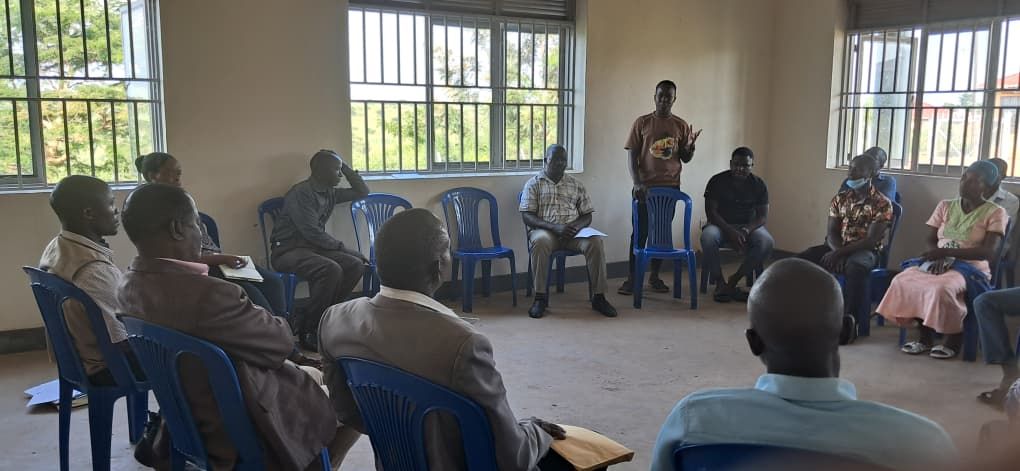
This growing spirit of solidarity also reflects an important shift in citizen-led environmental movements across East Africa. As investments in fossil fuel projects continue to accelerate, local communities no longer wish to remain passive observers of decisions that reshape their territories. Instead, they are building networks of cooperation capable of advancing a collective voice for climate justice, ecosystem protection, and development that respects the rights of affected populations. By bringing together communities from Greater Masaka and Bunyoro, AFIEGO demonstrates that sharing local knowledge is a strategic tool for strengthening community resilience and reaffirming that the energy transition cannot come at the expense of human rights or the integrity of ecosystems.
Emmanuel Ndimwiza
Editor