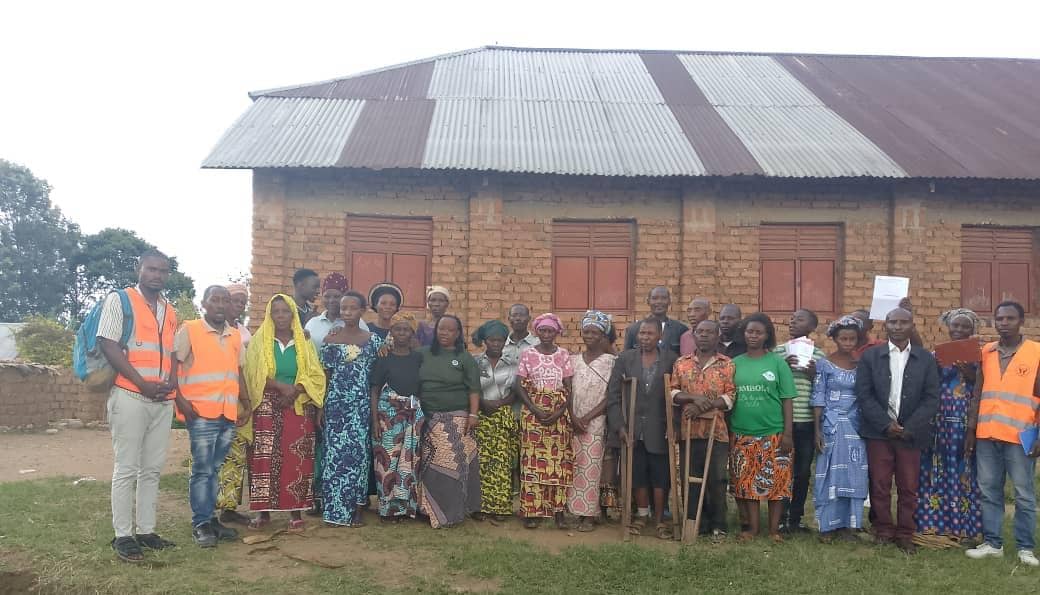
Voix du Paysan pour former et informer les citoyens : un engagement pour la justice sociale et climatique.
Around Lake Kivu, Indigenous peoples such as the Havu, Bashi, and Banyarwanda hold a rich ecological knowledge, transmitted orally for generations. This intangible heritage is based on careful observation of the environment — fishing seasons, fish behavior, and changes in the water. For these communities, nature speaks, and one must know how to listen. This ancestral knowledge forms a true tool for sustainable management of the lake, rooted in an intimate relationship between humans and their ecosystem.
This local knowledge, often ignored by official policies, nonetheless makes it possible to adapt practices to the realities on the ground: biological rest periods, gentle fishing techniques, identification of sensitive areas… It has allowed these communities to live in harmony with the lake for centuries, maintaining a fragile balance between use and preservation. Today, this knowledge is a precious resource in the face of climate change and environmental degradation.
Recognizing, valuing, and integrating this knowledge into regional environmental strategies is imperative. NGOs and community structures are working alongside the populations to document, revitalize, and pass on this knowledge to younger generations. Local ecological knowledge is not fixed in the past: it is living, evolving, and fundamental for building a sustainable response to the threats facing Lake Kivu.
— Editorial Team