Voix du Paysan to train and inform citizens, a commitment to social and climate justice.
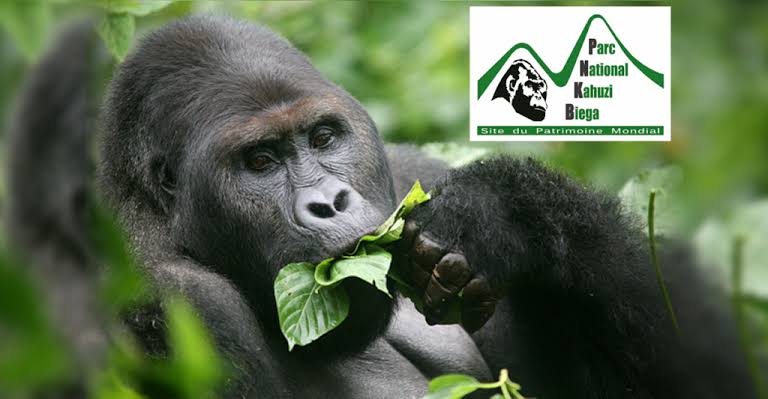
Located in the east of the Democratic Republic of Congo, Kahuzi-Biega National Park (PNKB) faces a surge in illegal activities that seriously threaten its conservation mission. Poaching, artisanal mining, illegal logging, and agricultural encroachments are intensifying in and around the park. This UNESCO World Heritage site, known for hosting the last eastern lowland gorillas, is under severe human pressure, driven by poverty, armed conflicts, and lack of effective control.
Poaching and mining, direct threats to biodiversity
Poaching remains one of the major scourges, targeting iconic species such as gorillas, forest elephants, and pangolins. At the same time, illegal mining within the park is destroying ecosystems, polluting rivers, and forcing wildlife to flee their natural habitats. These practices, often linked to armed groups, seriously compromise preservation efforts that have been ongoing for decades.
Local communities between survival and conservation
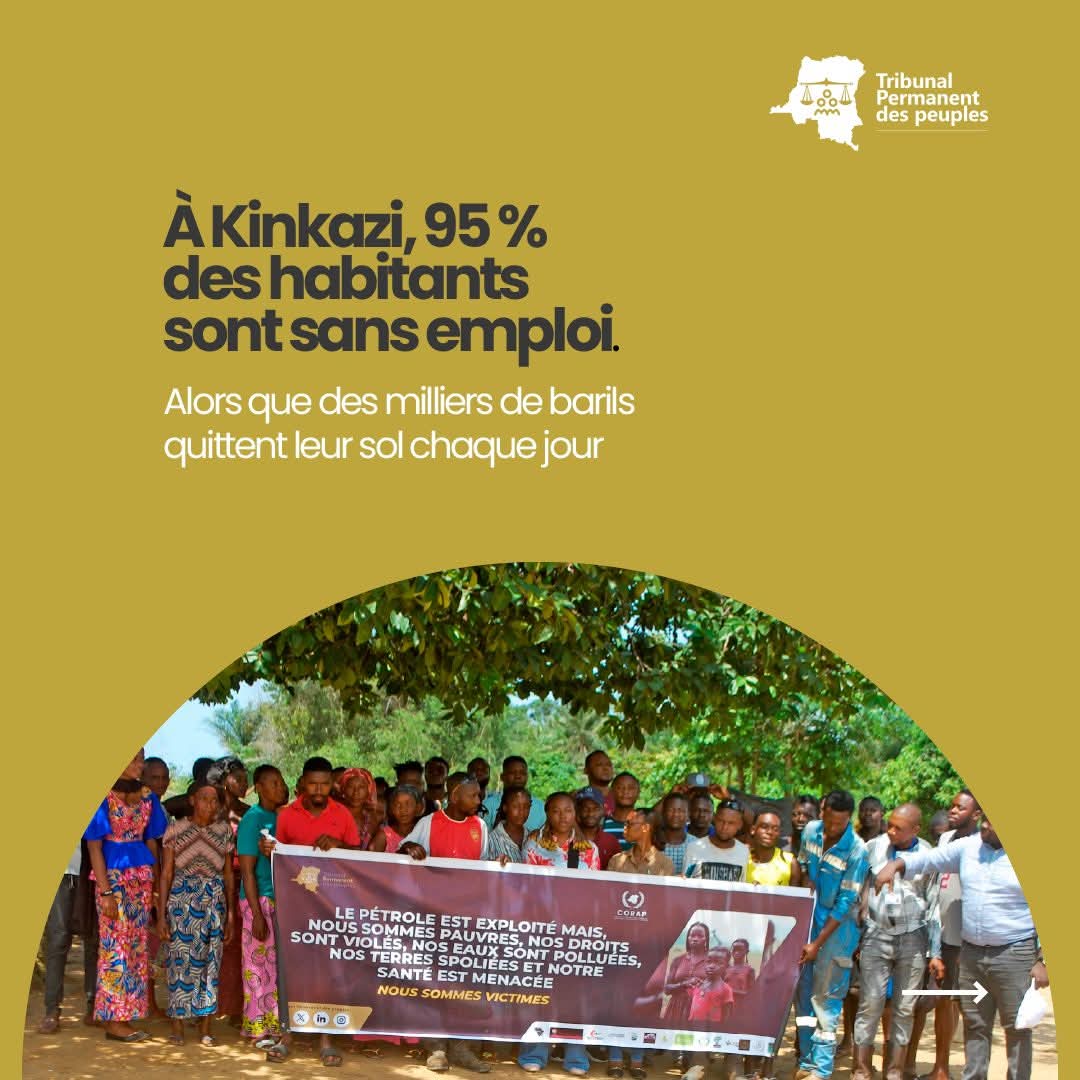
Communities living on the edges of PNKB face socio-economic dilemmas that sometimes push them to exploit park resources. In the absence of viable alternatives, some families practice slash-and-burn agriculture or subsistence hunting. It is in this context that www.dec-rdc.org engages, meeting with residents to raise awareness, listen, and propose sustainable solutions, such as agroecology, income-generating projects, and community ecotourism.
Advocating for inclusive and participatory conservation
To sustainably preserve the park, it is essential to involve local populations in conservation strategies. Repression alone is not enough, an integrated approach that considers the social and economic realities of local communities is required. Through its field activities, www.dec-rdc.org advocates for fair conservation, based on social justice, local governance, and shared ecological responsibility. The fate of PNKB now depends on balancing biodiversity protection with community well-being.
The Editorial Team
Illegal activities, human pressures and growing threats, Kahuzi-Biega National Park in peril