Voix du Paysan: Informing and Educating Citizens for Social and Climate Justice
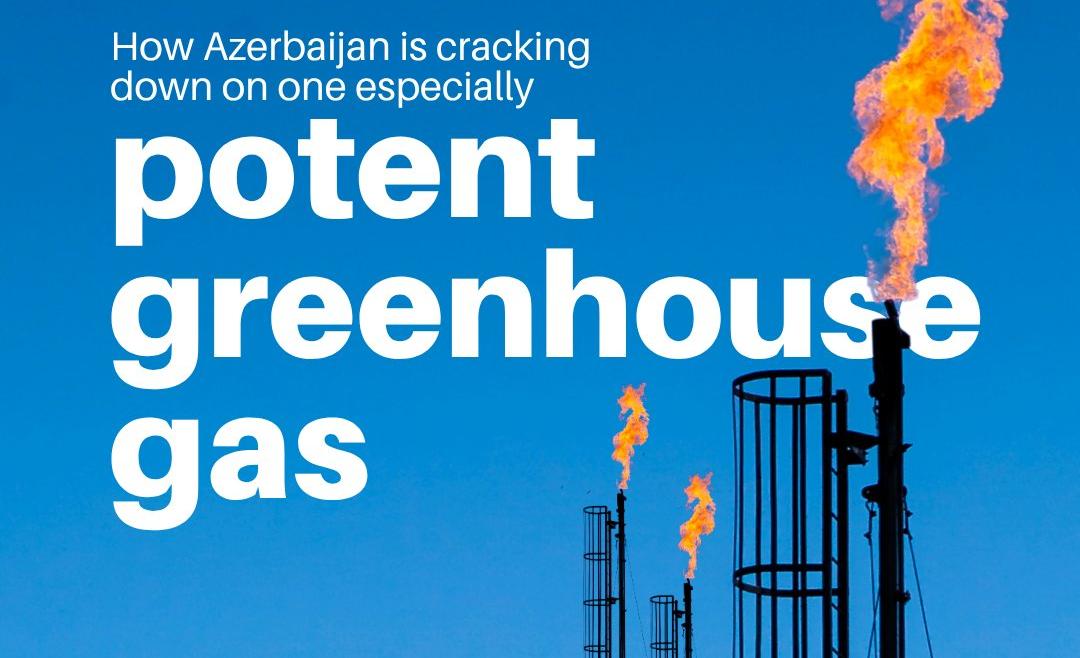
Methane is currently responsible for approximately one-third of the global warming the world is experiencing today. In response to this threat, several countries are developing innovative solutions to detect and reduce emissions from oil and gas infrastructure. In Azerbaijan, the combined use of satellites, drones, and artificial intelligence now makes it possible to quickly identify methane leaks and limit their impact on the climate. These technological advances demonstrate that concrete action can be taken to reduce greenhouse gas emissions and protect future generations from the devastating consequences of climate change.
However, while the international community is intensifying efforts to curb methane emissions, some multinational corporations continue to promote the exploitation of new gas and oil blocks, particularly in Lake Kivu. This pursuit of profit appears to be in direct contradiction with global climate commitments and the imperative to protect ecosystems. Local communities risk facing significant environmental, social, and economic consequences, while the primary benefits would largely accrue to major industrial interests. It is therefore legitimate to condemn strategies that prioritize short-term financial gains over climate protection, biodiversity conservation, and the well-being of local populations.
At a time when scientists are warning of the growing climate emergency, it has become essential to abandon plans for oil and gas expansion and instead invest massively in renewable energy, energy efficiency, and sustainable solutions tailored to local realities. The protection of Lake Kivu, a strategic natural asset for the Great Lakes region, must be part of a development vision that respects both the environment and the rights of local communities. Reducing methane emissions while renouncing new fossil fuel projects represents one of the most coherent pathways toward building a safer, fairer, and more resilient future in the face of the climate challenges of the 21st century.
Emmanuel Ndimwiza
Editor-in-Chief
From the Global Fight Against Methane to the Protection of Lake Kivu: Why the Climate Future Requires Abandoning New Gas and Oil Projects