Voix du Paysan: Informing and Empowering Citizens in the Pursuit of Social and Climate Justice
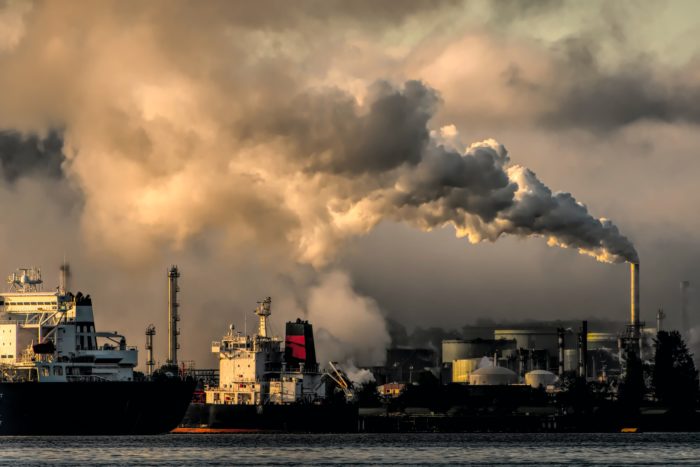
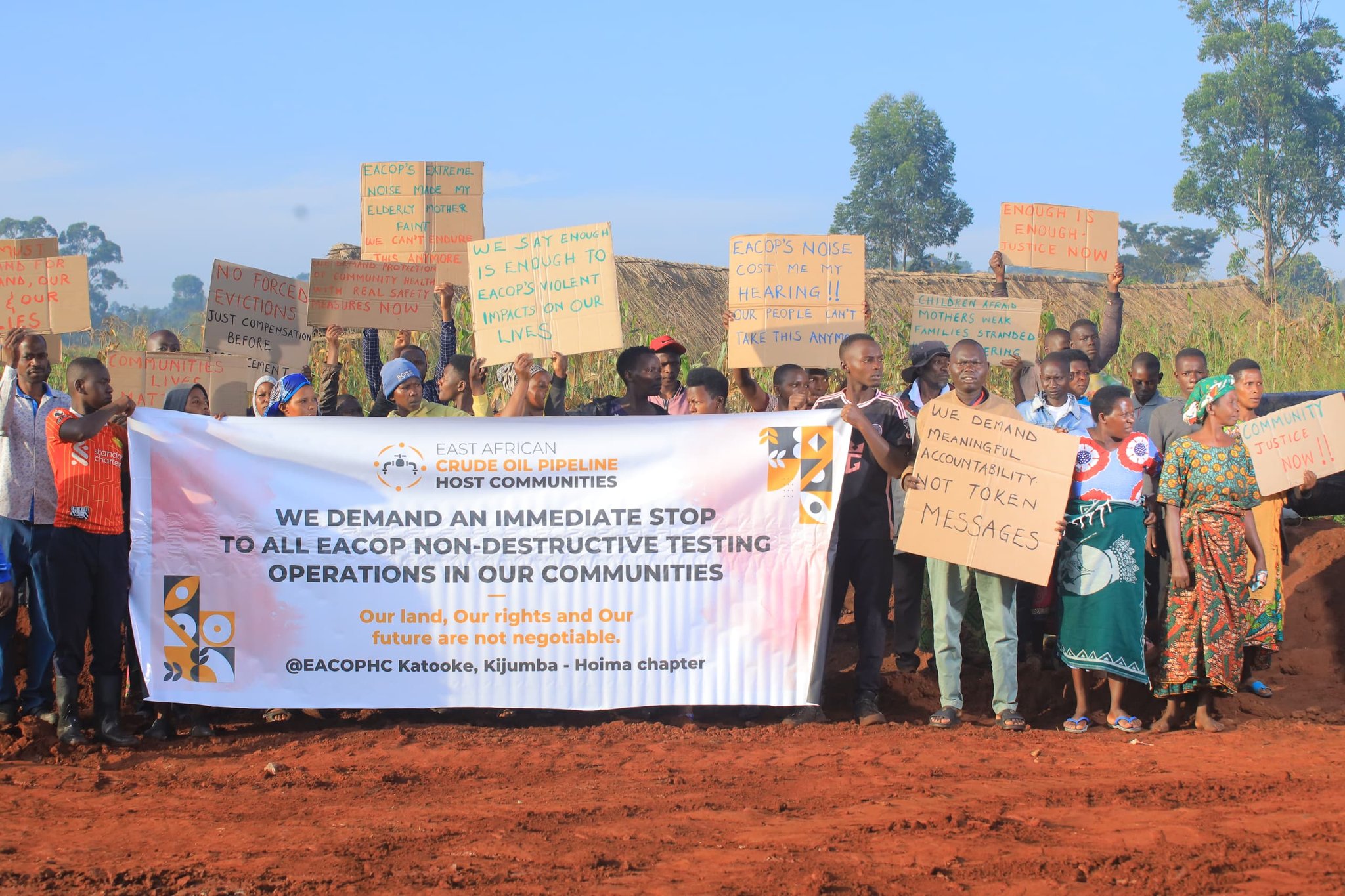
Every time oil and gas prices surge, the same explanation is offered: governments point to international crises, wars, or disruptions in global markets to justify the rising cost of living. Yet behind this narrative lies a deeper reality. For decades, the global economy has remained trapped in an energy model built on fossil fuels, where profits are privatized while losses are socialized. Households pay more to travel, feed their families, and power their homes, while public finances are drained by costly subsidies that disproportionately benefit wealthier groups. Meanwhile, the poorest bear a triple burden: they finance the system through taxes, endure soaring prices, and suffer the devastating consequences of climate change.
As Bill McKibben—environmentalist, author, co-founder of Third Act, and emeritus board member of 350.org—aptly observes, “We have been reckless for many decades in relying on fossil fuels. That dependence has generated immense wealth for a few and hardship for far too many.” His words capture one of the defining paradoxes of our time. Wars, embargoes, and geopolitical crises do not create vulnerability; they merely expose the weaknesses of an energy system built around a resource whose prices remain entirely beyond the control of ordinary people. Every oil shock delivers record-breaking profits to fossil fuel corporations while forcing millions of families to cut back on essential spending simply to survive.
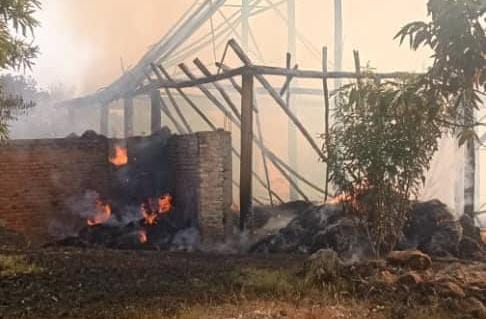
The injustice becomes even more striking when viewed through the lens of environmental impacts. Devastating floods, prolonged droughts, deadly heatwaves, and widespread agricultural losses affecting countries across the globe are not unavoidable natural disasters. They are the deferred bill of a development model that continues to prioritize fossil fuels despite repeated scientific warnings. The same communities struggling to afford fuel or electricity are also those losing their harvests, their homes, and, in many cases, their lives as climate extremes intensify. The true cost of fossil fuels cannot be measured solely at the gas pump; it is also reflected in overcrowded hospitals, failing farms, shuttered schools, and displaced communities.
Once again, Bill McKibben reminds us that “Price spikes and supply shocks are only the latest and clearest evidence of these fundamental truths.” The time has come not merely to patch the cracks in a failing system but to fundamentally transform our energy future. Investing in renewable energy, ending inefficient fossil fuel subsidies, and protecting the most vulnerable households are no longer simply political choices—they are economic, social, and climate imperatives. As long as the interests of a handful of multinational energy companies continue to outweigh the well-being of people and the health of the planet, every new energy crisis will keep emptying household budgets, weakening national economies, and jeopardizing the future of generations to come.
Emmanuel Ndimwiza
Editor – Voix du Paysan
Fossil Fuels: As People Grow Poorer and Governments Sink Deeper into Debt, a Handful of Energy Giants Reap Enormous Profits at the Cost of an Unprecedented Social, Economic, and Climate Crisis