Voice of the Peasant: educating and informing citizens — a commitment to social and climate justice.
In an alert focusing on plastic pollution in the Congo River, Greenpeace highlights an increasingly worrying reality: fishermen are now pulling significant quantities of plastic waste from their nets, at the expense of fish stocks. According to Greenpeace, this pollution poses a threat not only to biodiversity, but also to the local economy and to communities whose livelihoods depend on the river.
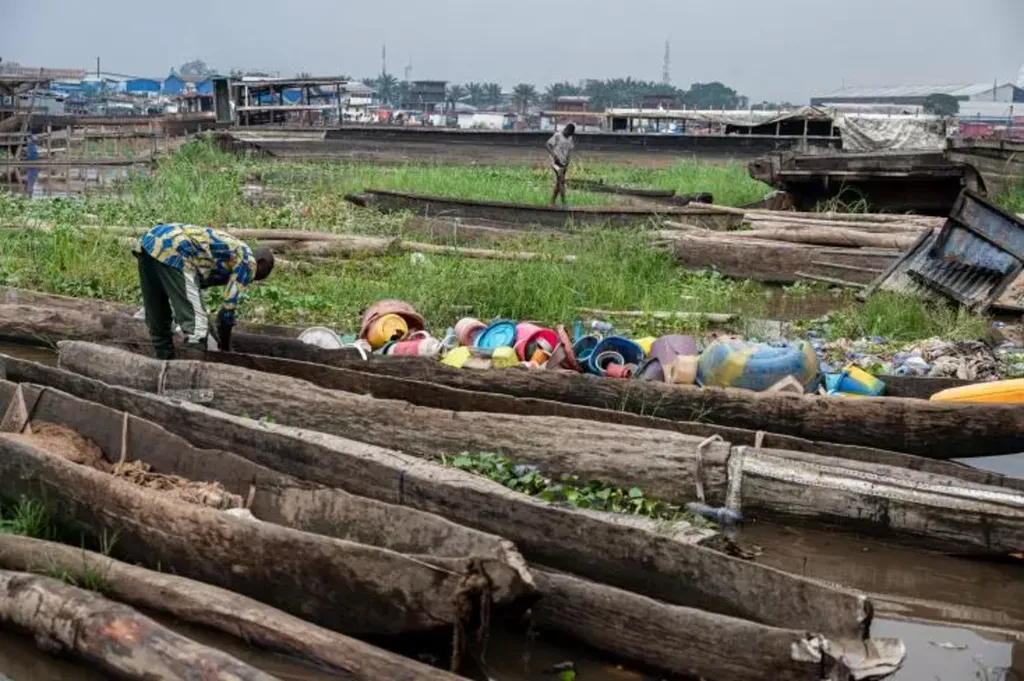
The testimony gathered by Greenpeace from Jilby Mwanufioti, after forty years of fishing, sounds like a warning: “I used to catch big fish, but the fish have disappeared because of plastic.” Behind these words lies, according to Greenpeace’s alert, a reality that can no longer be ignored. The Congo River, a vast and vital artery of the Democratic Republic of the Congo, is facing an accumulation of waste. Where nets should be bringing in fish, they are also bringing up bottles, plastic bags and packaging. When Charles Moluwa tells Greenpeace that he retrieves nearly 150 kilograms of plastic from his nets every week, the figure illustrates the scale of the problem highlighted by the organisation.
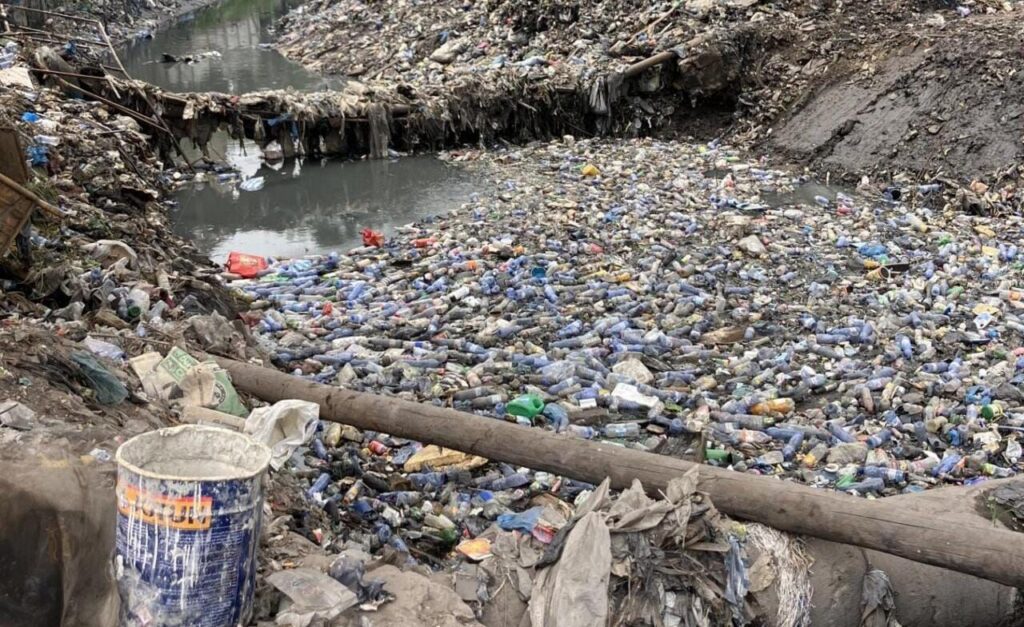
For Greenpeace, this situation is turning fishermen into involuntary cleaners of pollution they did not create. They spend time and effort removing waste from their nets, while their livelihoods are already under pressure from declining fish resources. Greenpeace’s warning therefore underlines that plastic pollution is not merely a matter of water quality: it also affects livelihoods, food security and the communities that depend on the river.
Greenpeace nevertheless stresses that recycling alone cannot provide an adequate response. Removing 150 kilograms of plastic from a fishing net is useful, but it does not address the central question raised by the organisation: why do we continue to produce, use and then abandon such large quantities of single-use plastic? For Greenpeace, the response must also begin upstream: reducing unnecessary plastics, promoting reuse, improving waste collection and treatment, and strengthening producers’ responsibility for managing their packaging.
In its approach, Greenpeace also emphasises the need to turn the plastic crisis into an opportunity to develop local solutions. Establishing structured collection and recycling systems, involving riverside communities in protecting waterways, and strengthening environmental education in schools can all help reduce pressure on ecosystems. Greenpeace’s warning therefore calls on governments, businesses and citizens to recognise their respective responsibilities in waste management.
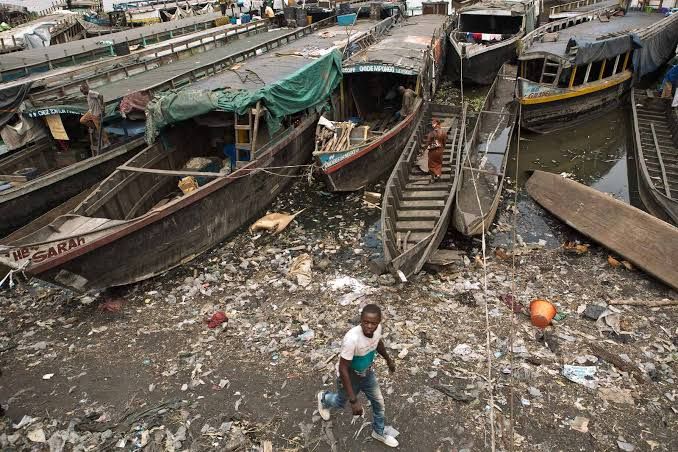
The message conveyed by Greenpeace about the Congo River therefore goes far beyond the issue of waste visibly floating on the water. The river provides food, transport, irrigation and livelihoods, while connecting and sustaining millions of people. For Greenpeace, allowing plastic waste to continue accumulating in the river means progressively threatening an essential ecosystem and the communities that depend upon it. Action at source is therefore indispensable: reducing waste, consuming more responsibly, reusing materials, recovering recyclable waste and holding the various stakeholders accountable. Because when fishermen begin bringing in more plastic than fish, the warning raised by Greenpeace deserves to be heard.
Emmanuel Ndimwiza
Editor – Voice of the Peasant