Voix du Paysan, to train and inform citizens, a commitment to social and climate justice.
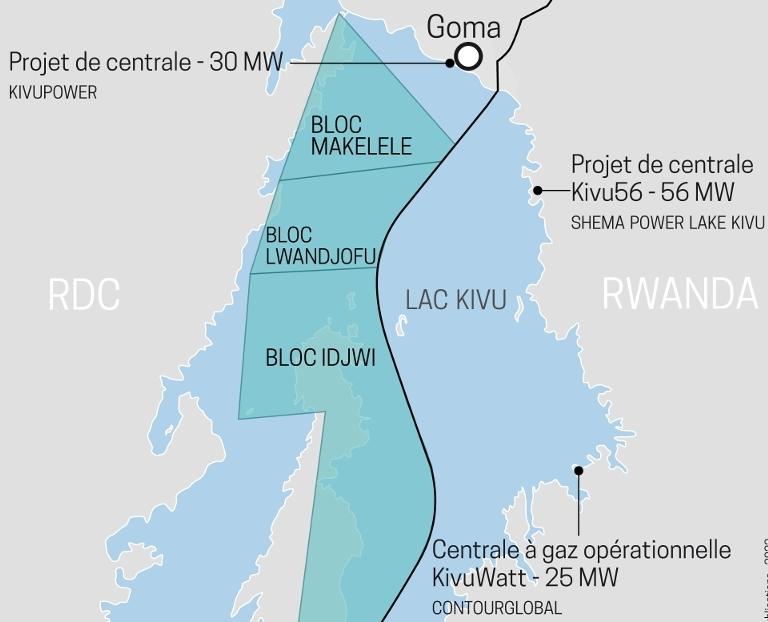
The announced or planned exploitation of gas blocks in Lake Kivu places riverside communities at the heart of a debate that goes far beyond the simple question of energy. Behind promises of investment, jobs, and economic growth lies a much more complex issue, the control of natural resources, environmental safety, and the right of populations to participate in decisions that shape their future. In this region marked by economic and institutional fragilities, major extractive projects often move faster than public information. It is precisely this imbalance that is now fueling the idea of a non violent popular mobilisation based on education, transparency, and community organisation. For many observers, the first battle is neither legal nor political, it is cognitive. As long as residents are unaware of the terms of contracts, the risks linked to pollution, and the impacts on fishing, navigation, or biodiversity, they remain excluded from the debate. Hence the need for public meetings, radio broadcasts in local languages, community theatre, and awareness campaigns capable of turning a technical file into a civic issue understandable by all.
Popular education as a strategic response to power imbalance
Faced with companies that possess technical expertise, considerable financial means, and privileged access to decision making centres, local communities cannot hope to exert lasting influence without structured organisation. This is where popular education comes in, not as a political slogan, but as a method of rebuilding civic power. Training young people, women, fishers, teachers, and community leaders to understand extractive issues, environmental law, non violent communication, and the monitoring of public commitments creates a collective intelligence capable of questioning decisions made in their name. The creation of citizen committees tasked with monitoring impact studies, job promises, environmental incidents, or the publication of contracts becomes a tool of democratic oversight. In many extractive contexts around the world, populations have not always lost due to lack of reason, but due to lack of structure. By building a disciplined and credible local network, Lake Kivu residents can shift the balance of power from an emotional and fragmented confrontation to a demanding, documented, and politically audible dialogue.
The real issue, turning protest into a societal project
Any lasting mobilisation fails when it is limited to refusal.
This is why the most strategic dimension of this civic dynamic lies in the ability to propose realistic economic alternatives. Opposing gas extraction with a horizon based on sustainable fishing, responsible tourism, green jobs, renewable energy, and transparent governance makes it possible to escape the classic trap that opposes development and environmental protection. The debate around Lake Kivu actually reveals a deeper question, who decides the economic future of resource rich territories? If populations are only consulted at the margins, frustration will grow. If they become co authors of decisions, another trajectory becomes possible. Petitions, open letters, media campaigns, public forums, and legal action are therefore not just tools of protest, they are the building blocks of modern citizenship. At its core, the message carried by community actors summarises the historical issue, the lake belongs first to the life of the people before it belongs to profit. In this statement lies perhaps the political, ecological, and economic future of the entire region.
La Rédaction
Lake Kivu: between gas promises and civic awakening, the strategic battle over a vital lake