Voix du Paysan, to train and inform citizens, a commitment to social and climate justice.
At a time when plans to exploit gas blocks in the waters of Lake Kivu are generating both economic hopes and deep environmental and social concerns, several civic voices are calling for a structured response based on popular education. In this region where the lake represents far more than a natural resource, a source of fishing, income, transport, social cohesion, and ecological balance, any industrial decision affects the future of millions of people. Faced with the financial and political power of extractive interests, riverside communities are relying on another force, that of collective awareness. A six month civic mobilisation plan aims to transform populations often excluded from major decisions into informed, organised actors capable of engaging in public debate. Village meetings, radio broadcasts in local languages, community theatre, participatory mapping, and community investigations are designed to make technical issues readable, including pollution risks, impacts on livelihoods, and legal obligations linked to transparency. The central idea is clear, when a people understands what is at stake on its territory, it stops being a spectator.
Training, organising, and building a credible civic counterpower
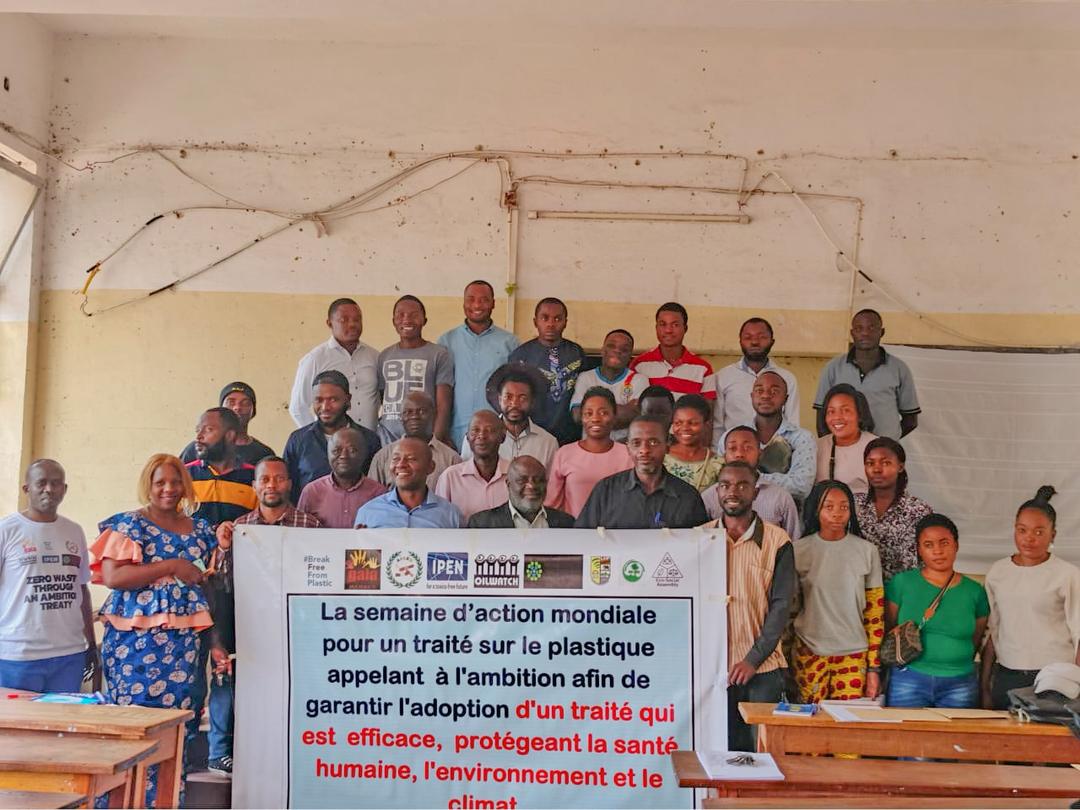
The second phase of this dynamic focuses on training community relays and structuring the movement locally. Young people, women, fishers, teachers, and local leaders are invited to become the pillars of a civic network capable of spreading information, preventing manipulation, and articulating legitimate demands. Training in non violent communication, environmental rights, civic participation, and peaceful mobilisation techniques aims to provide communities with durable tools rather than short term reactions. The creation of village based citizen committees, the identification of focal points, and the organisation of regular meetings help anchor the mobilisation in everyday life. This approach reflects a reality often overlooked in African energy debates, the weakness of communities is not natural, it often results from a lack of organisation. By building a strong local network, Lake Kivu residents can become credible interlocutors for public authorities and private operators, not to systematically block projects, but to demand guarantees, genuine consultation, and fair distribution of benefits.
Advocacy, economic alternatives, and the struggle for the future of the lake
The final component of this plan seeks to shift the balance of power onto the terrain of ideas, institutions, and concrete solutions. Media campaigns, testimonies from residents, public debates with experts, petitions, open letters, and demands for the publication of contracts and impact studies form part of a modern, legal, and responsible advocacy strategy. But the strength of this approach lies in its refusal to remain purely oppositional, communities are encouraged to propose credible economic alternatives, from sustainable fishing and responsible tourism to green jobs, renewable energy, and transparent resource management. This strategic choice highlights that between uncontrolled extraction and stagnation, a third path exists, that of genuinely sustainable development. Ultimately, the struggle around Lake Kivu goes beyond gas exploitation alone, it raises the question of whether African societies can decide their own economic models. If this mobilisation remains faithful to its three pillars, truth, unity, and non violence, it could become a regional example of ecological citizenship in the face of fossil fuel challenges.
La Rédaction
Lake Kivu: six months of non-violent civic mobilisation to defend a vital heritage against gas ambitions