Voix du Paysan: Informing and Educating Citizens for Social and Climate Justice
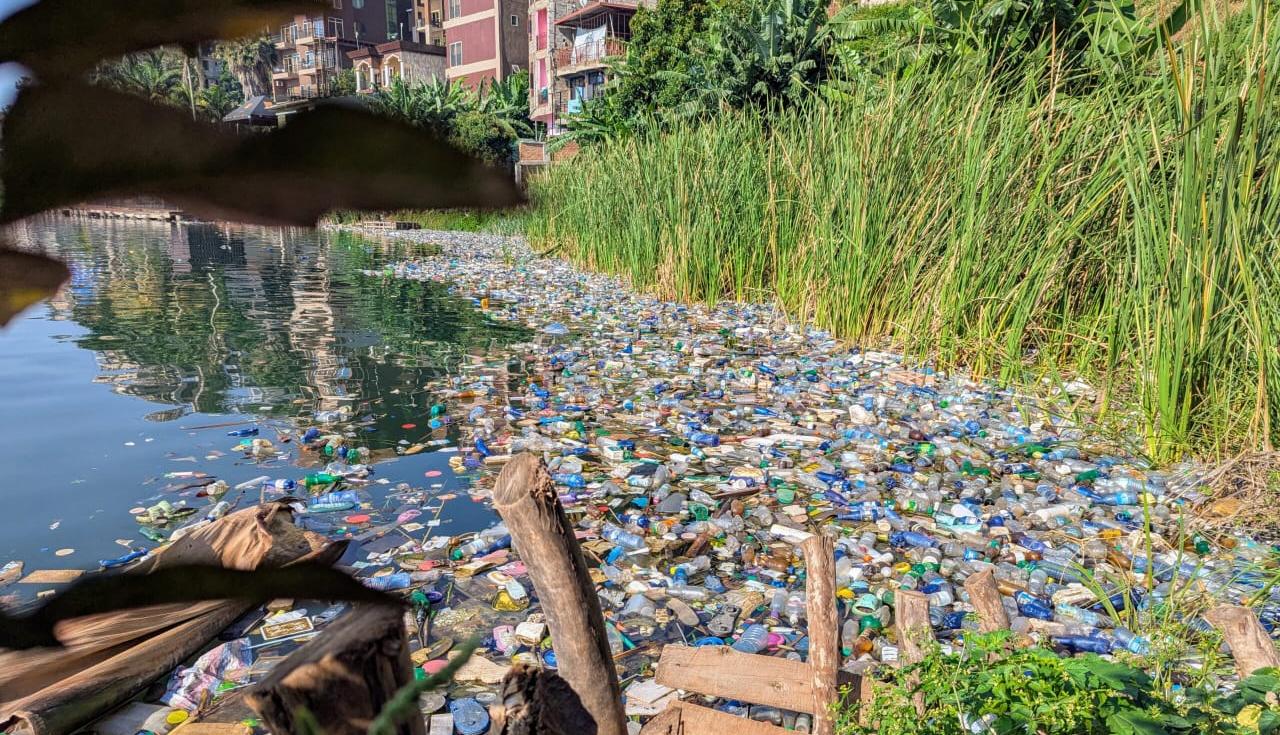
The islands of Lake Kivu are facing increasingly serious environmental and economic challenges. Population growth, rising consumption, and the lack of effective waste management systems are contributing to the alarming accumulation of waste across several of these island communities. Consistent with trends observed in many island regions around the world, per capita waste generation on islands often exceeds the global average. At the same time, more than half of the islands in Lake Kivu are experiencing growing pressure on their natural resources, gradually undermining their ecological balance and resilience.
This challenge is compounded by a strong dependence on imported food. On many of the islands of Lake Kivu, a significant share of the food consumed is sourced from outside the islands, leaving local communities vulnerable to price fluctuations, supply chain disruptions, and food insecurity. Every day, residents, local authorities, and development stakeholders are required to make critical decisions regarding waste management, food production, water access, energy supply, and tourism development. These issues are not merely statistics; they reflect the lived reality of thousands of families striving to safeguard their livelihoods while protecting the environment on which they depend.
In the face of these challenges, the circular economy offers a promising pathway for transforming constraints into opportunities. The online learning program, “Circular Economy for Sustainable Lake Kivu Islands: Designing Regenerative Island Futures,” aims to strengthen the capacities of professionals working in, with, or in support of these island territories. By promoting the design of circular systems, the valorization of local resources, the reduction of dependence on imports, and the development of more resilient local economies, this initiative paves the way for a development model in which economic prosperity, environmental stewardship, and community well-being advance together. For the islands of Lake Kivu, the challenge is no longer simply to adapt to present-day pressures, but to actively design the regenerative territories of tomorrow.
Emmanuel Ndimwiza
Editor-in-Chief
Waste Accumulation and Growing Food Dependence: Why the Islands of Lake Kivu Must Embrace the Circular Economy to Build a Regenerative and Sustainable Future