Voix du Paysan pour former et informer les citoyens : un engagement pour la justice sociale et climatique.
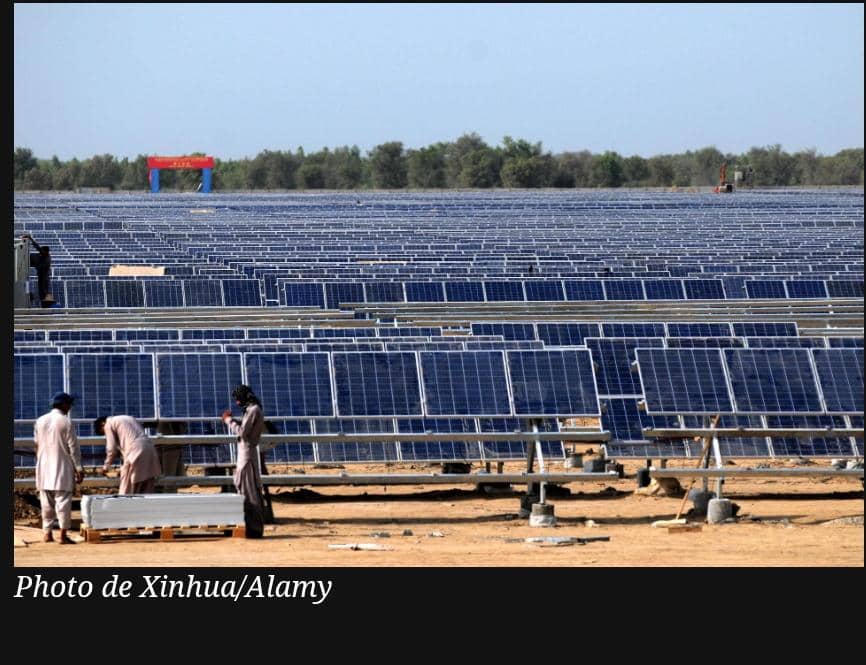
In just a few years, Pakistan has undergone a remarkable energy transformation. Solar power now accounts for nearly 20 percent of the country’s electricity, whereas it was almost non-existent not long ago. This breakthrough did not come from major government reforms, but from a popular movement driven by an urgent need for access to energy, especially in isolated rural areas. Where fossil fuel subsidies failed, solar energy has brought light, autonomy, and hope.
An unprecedented energy democratization in rural areas
In off-grid rural regions, often forgotten by public policy, solar energy has become a driver of change. Solar panels, increasingly affordable, have allowed millions of households to light their homes, access information, and develop income-generating activities. This democratization of energy is as much a social advance as a technological one.
A model of transition driven by popular demand
This phenomenon highlights a powerful reality: the energy transition can be led by citizens themselves, without waiting for complex policies. Pakistan demonstrates that a natural balance between affordable supply and strong demand can trigger large-scale change. This success inspires a new approach to ecological transition that is decentralized, popular, and adapted to local realities.
The Editorial Team