Voix du Paysan pour former et informer les citoyens : un engagement pour la justice sociale et climatique.
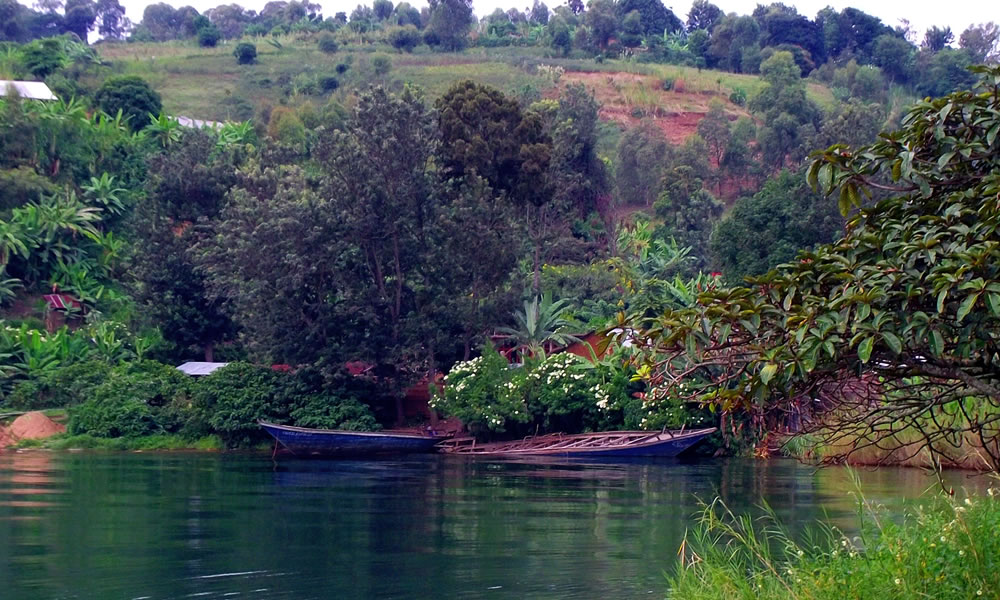
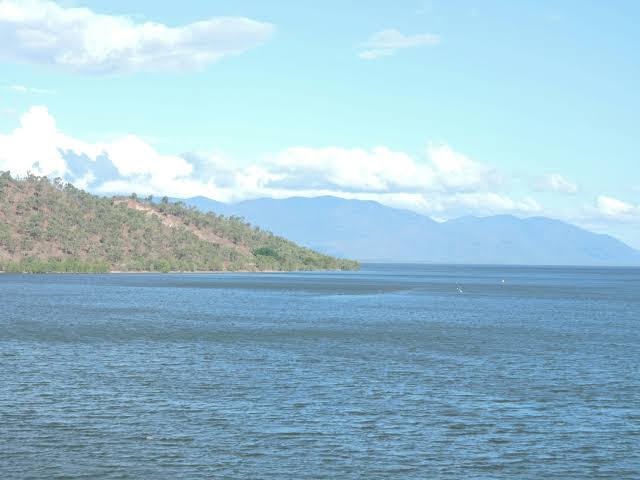
Lake Kivu, located between the DRC and Rwanda, is much more than just a body of water: it represents a sacred heritage for the lakeside peoples, notably the Havu, Bashi, Banyarwanda, and other Indigenous communities. Considered the “guardians” of the lake, these peoples embody a unique form of cultural, spiritual, and ecological protection, inherited over generations. Their relationship with the lake is steeped in respect, mysticism, and deeply rooted symbolic practices.
A sacred heritage between myth and reality: Shedding light on the spiritual beliefs tied to Lake Kivu and their role in the daily life of communities.
This symbolic guardianship is expressed through various ancestral beliefs. The lake is seen as a living entity, inhabited by spirits — including mermaids or female deities — to whom homage must be paid through precise rituals. Fishermen, for example, never set out without invoking these invisible forces, following codified gestures passed down orally. Far from being mere superstitions, these practices are profound markers of a living culture that remains closely connected to nature.
Ecological knowledge passed down from generation to generation: Highlighting the richness of local knowledge about the lake’s ecosystem and its usefulness for preservation.
At the same time, these communities hold remarkable ecological knowledge. Their understanding of the lake’s biodiversity, fishing cycles, and water movements has been built through observation and intergenerational transmission. This knowledge is still mobilized today to guide local preservation initiatives, often supported by NGOs or community structures working toward the sustainability of the Kivu ecosystem.
Guardians resisting contemporary threats: Addressing modern challenges — pollution, exploitation, conflicts — and the mobilization of communities.
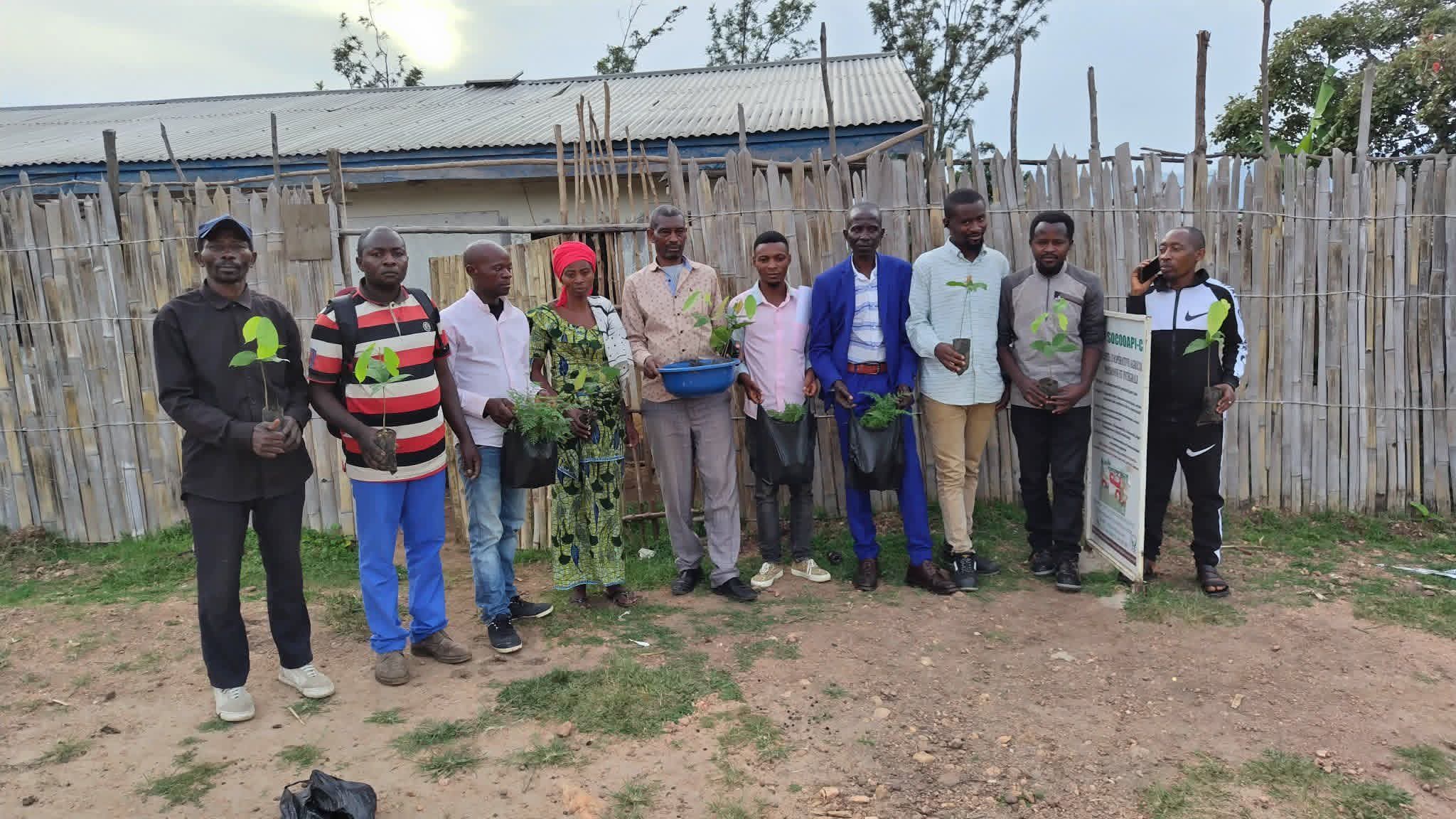
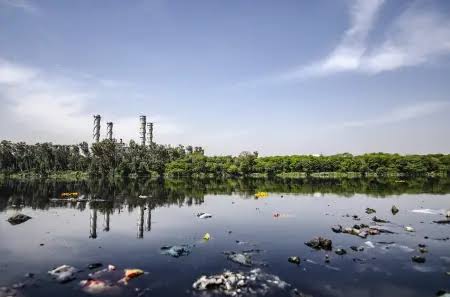
But this role of guardianship is increasingly under threat. Growing pollution, reckless exploitation of natural resources, and conflicts over use are putting mounting pressure on the lake. Yet despite these challenges, the peoples of Kivu continue to raise their voices, blending spirituality, local knowledge, and civic action to defend a natural and cultural heritage essential to both their survival and that of the lake.
— Editorial Team