DEC RDC – May 4, 2025 “Voix du Paysan” to train and inform citizens
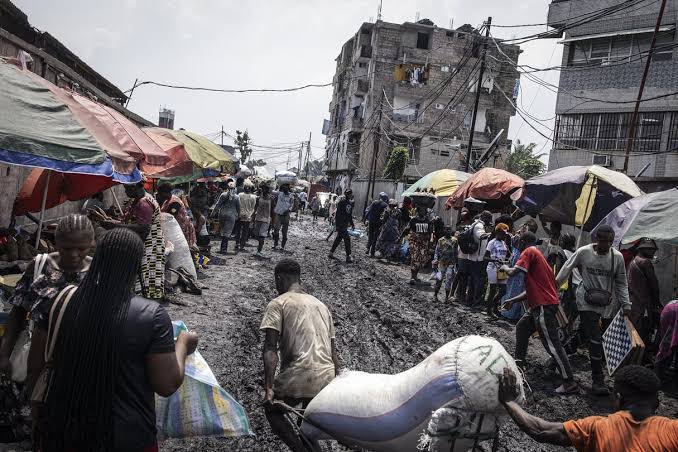
In Kinshasa, the capital of the Democratic Republic of Congo, thousands of families build homes each year in unauthorized zones, without urban planning or basic infrastructure. These so-called « informal settlements »—particularly visible in the municipalities of Makala and Selembao—have become the most common face of urban growth, says Fiston ILANGI NDEKE, Urban Planning Lecturer and Researcher.
But this informal urbanization is not without consequences. In the absence of clear land policies, people settle on unstable slopes, ravines, or flood-prone areas. The result: every rainy season brings landslides, floods, and loss of human life. The soil degrades, water sources are polluted, and the city loses its last natural areas, adds Fiston ILANGI NDEKE.
Faced with this situation, should these residents be evicted? Or, on the contrary, should their presence be recognized and efforts made to organize these spaces?
According to Fiston ILANGI NDEKE, many researchers and urban planning practitioners today advocate for progressive land regularization. The goal is to acknowledge, document, and manage existing settlements, while integrating planning and environmental protection measures. In areas like Makala and Selembao, this could involve simplified road plans, creation of basic sanitation systems, and natural risk prevention.
As an Urban Planning Lecturer and Researcher, Fiston ILANGI NDEKE believes land regularization should not be merely an administrative operation. It must come with a vision of a sustainable, inclusive, and resilient city. This requires strengthening dialogue among residents, local authorities, and urban planners, as well as developing flexible legal tools adapted to the Congolese context.
In short, the real challenge is not the existence of informal housing but the absence of a coherent institutional response. Recognizing and managing these neighborhoods is also a way to build a fairer and safer city for all.
Emmanuel Ndimwiza