Voice of the Peasant: Training and informing citizens as a commitment to social and climate justice
Memories of the past to guide the present
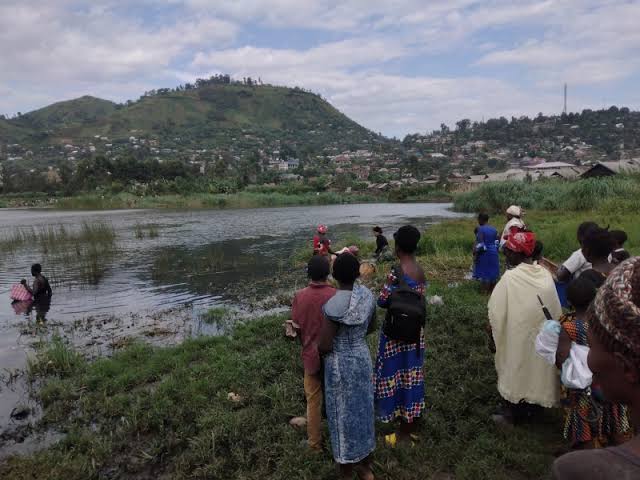
The island of Idjwi, nestled in the heart of Lake Kivu, possesses a wealth often overlooked: its collective memory. Studies conducted on the ground, notably by www.dec-rdc.org, have collected the valuable stories of farmers, herders, and fishermen who, for generations, have shaped life on the island. These testimonies reveal a history marked by strong community resilience, but also by environmental shocks, land pressures, and an economy that is largely informal.
The weight of local challenges and hidden opportunities
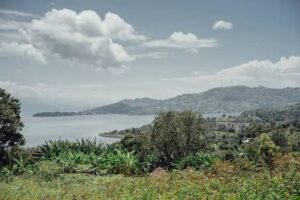
The findings show that access to land has become a critical issue, amplified by population growth. Agriculture, although intensive, suffers from a lack of diversification and technical support. Fishing, once abundant, is now threatened by overexploitation of the lake, while livestock raising remains artisanal. Yet residents express a clear willingness to change, provided they are supported with investments adapted to their local realities.
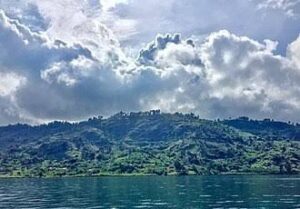
Towards development informed by local realities
The data collected reinforce the idea that sustainable development in Idjwi cannot be built without a deep understanding of its history and social dynamics. By leveraging local knowledge, low-cost initiatives – such as agroforestry, cooperative microprojects, or community conservation systems – can have a significant impact. Relying on the residents themselves as drivers of change is key to avoiding past mistakes.
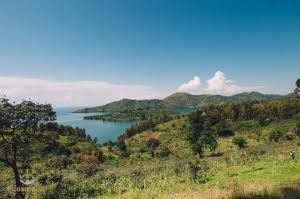
The urgency of planning with and for communities
This research highlights the need for a participatory, inclusive, and historically grounded approach to development planning on the island. Rather than imposing external models, it is time to listen to those who live the realities of the terrain. Idjwi has the human, natural, and cultural resources to become a model of resilience. Each project must start from what the island is, not from what we imagine it should be.
The Editorial Team