Voix du Paysan: committed to educating and informing citizens for social and climate justice.
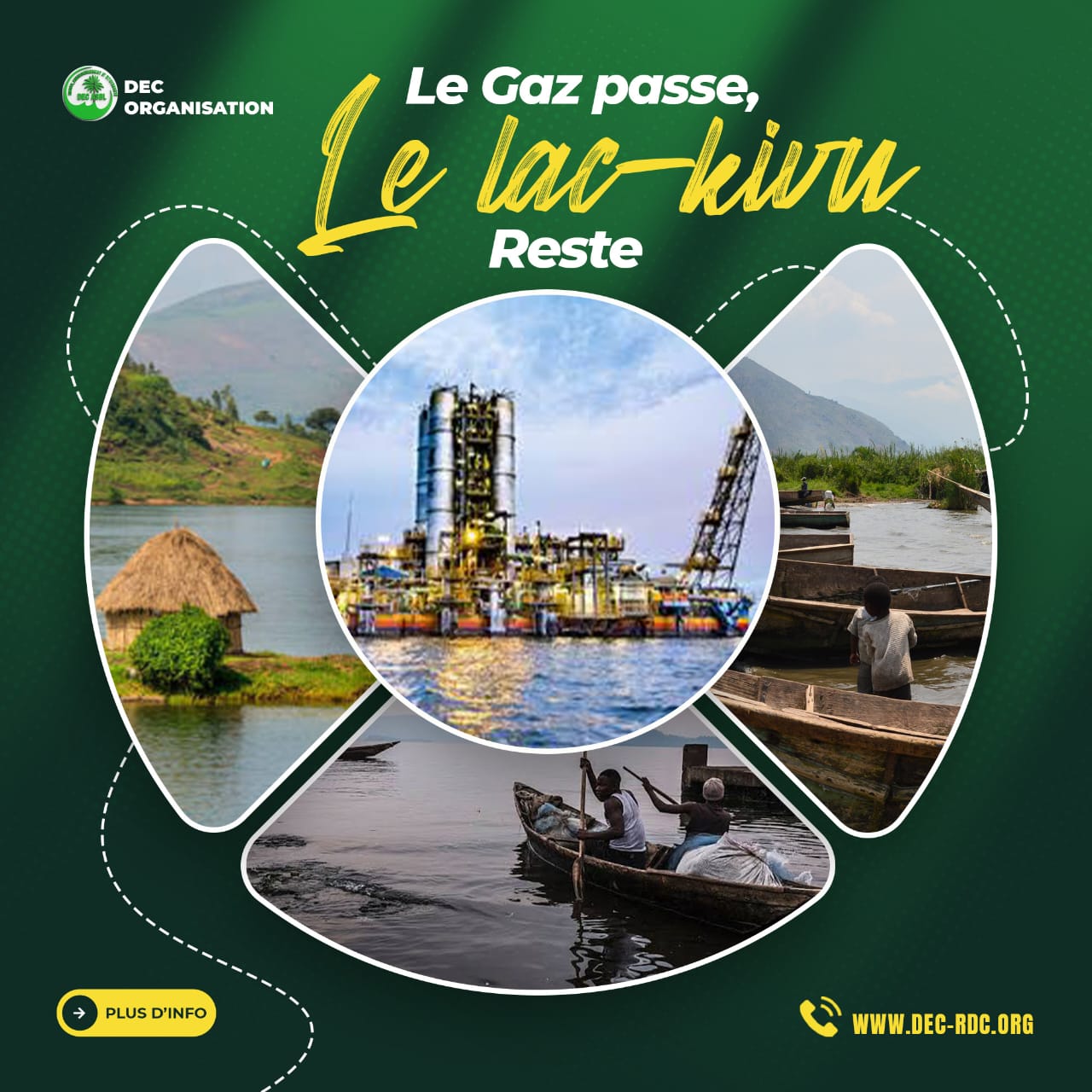
For many years, Lake Kivu was viewed primarily as a space of life and survival before being recognized as a strategic energy reserve. Along its shores, thousands of families build their daily lives around artisanal fishing, lake transport, agricultural activities, and small-scale trade, all of which directly depend on the health of this fragile ecosystem. Today, gas extraction offers significant economic prospects: energy production, job creation, industrial development, and new investment opportunities. However, behind these promises of growth lies a fundamental question that goes beyond statistics and economic projections: what will remain if resource exploitation comes at the expense of the lake’s ecological balance? In lakeside villages, many people observe the arrival of new projects with hope, but also with caution as they witness gradual changes affecting their environment. For local communities, the lake is not merely a resource to be extracted; it is a collective memory, a cultural space, and a lifeline for entire generations.
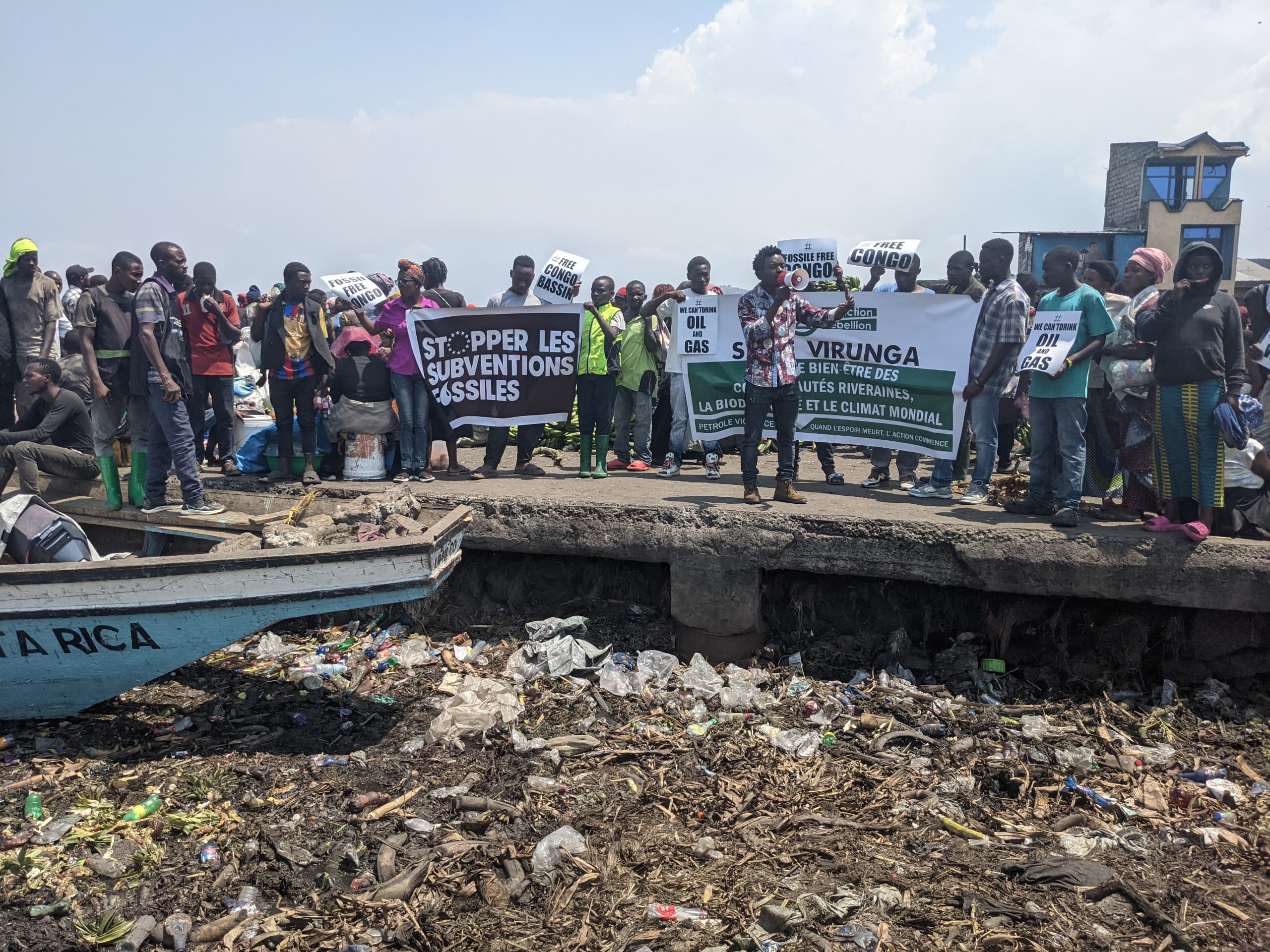
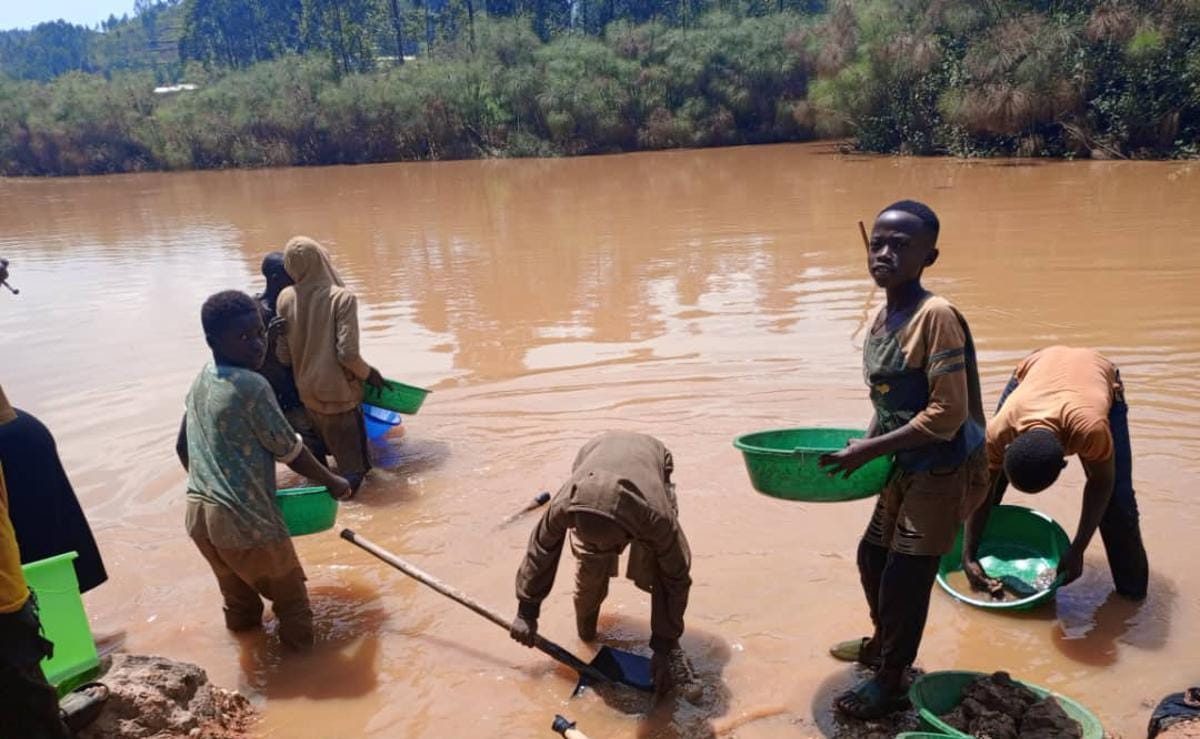
Along the shores of the lake, concerns are not merely theoretical; they are expressed in the daily conversations of fishermen, farmers, and residents whose lives follow the rhythm of Lake Kivu’s waters. Some fishermen already speak of declining catches in certain areas, while others question the long-term effects of industrial activities on water quality and biodiversity. “We want development, but not at the cost of our future,” many members of lakeside communities repeatedly say. This phrase echoes as a quiet yet profound demand. Africa’s environmental history has often shown that natural resources once presented as engines of prosperity have, in some cases, left behind degraded lands, polluted waters, and communities facing new forms of vulnerability. The risk is not only ecological; it is also social. When an ecosystem loses its ability to sustain and support its people, entire economic and human balances are put at risk.
The real debate, therefore, should not pit exploitation against conservation, but rather focus on how to build a development model that sustainably protects Lake Kivu’s natural heritage. A gas resource has a limited lifespan: it is extracted, consumed, and eventually depleted. The lake, however, must continue fulfilling its biological, social, and economic functions long after current energy projects come to an end. Lakeside communities express this with remarkable clarity: they do not want to become witnesses to a form of progress that enriches the present while impoverishing the future. They are calling for greater transparency, rigorous environmental monitoring, and meaningful participation in decisions affecting their living environment. Protecting Lake Kivu is not a romantic cause championed by a few environmental advocates; it is an ecological necessity and a matter of intergenerational justice. Gas may contribute to sustaining today’s economy, but only a living lake will continue to sustain the children of tomorrow.
Editorial Team
Gas may sustain today’s economy, but protecting Lake Kivu will determine the future of generations to come