Voix du Paysan pour former et informer les citoyens : un engagement pour la justice sociale et climatique.
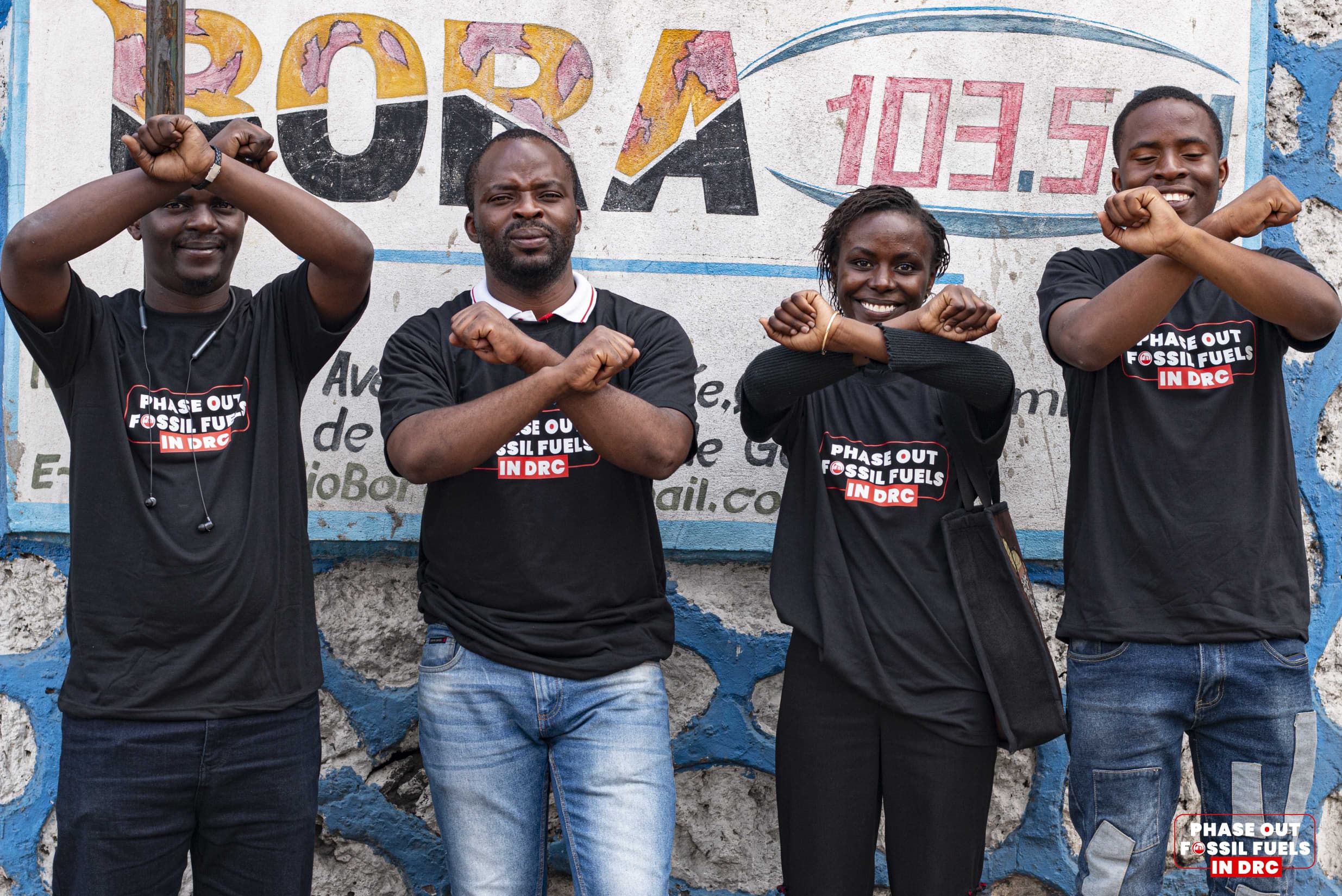
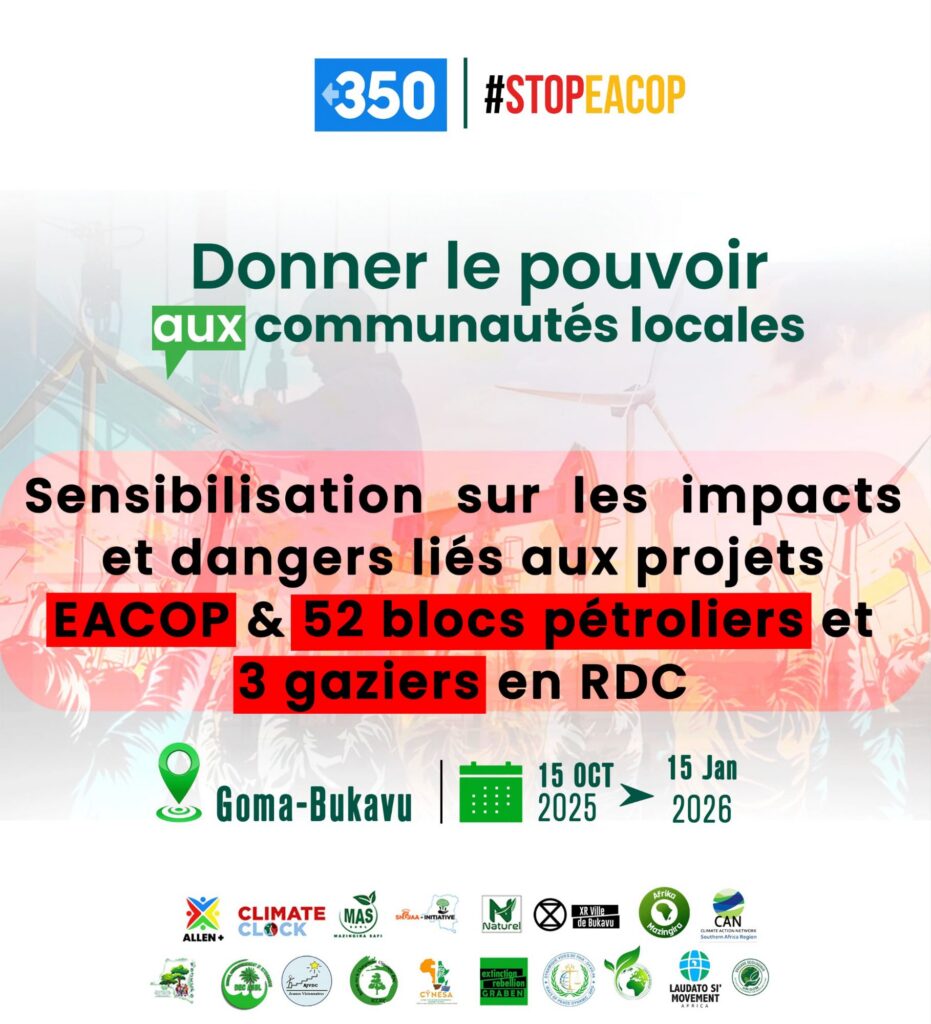
As part of a three-month campaign (October, November, and December), an innovative and inclusive approach is being implemented to strengthen community resilience in the face of the threats posed by fossil fuels, particularly through the EACOP project and the 55 oil blocks in the DRC. In this context, several environmental and climate actors took part in a 25-minute news program on Bora FM. Focusing on active community involvement, targeted media outreach, and strong local partnerships, the project aims to create lasting change in both behaviors and policies.
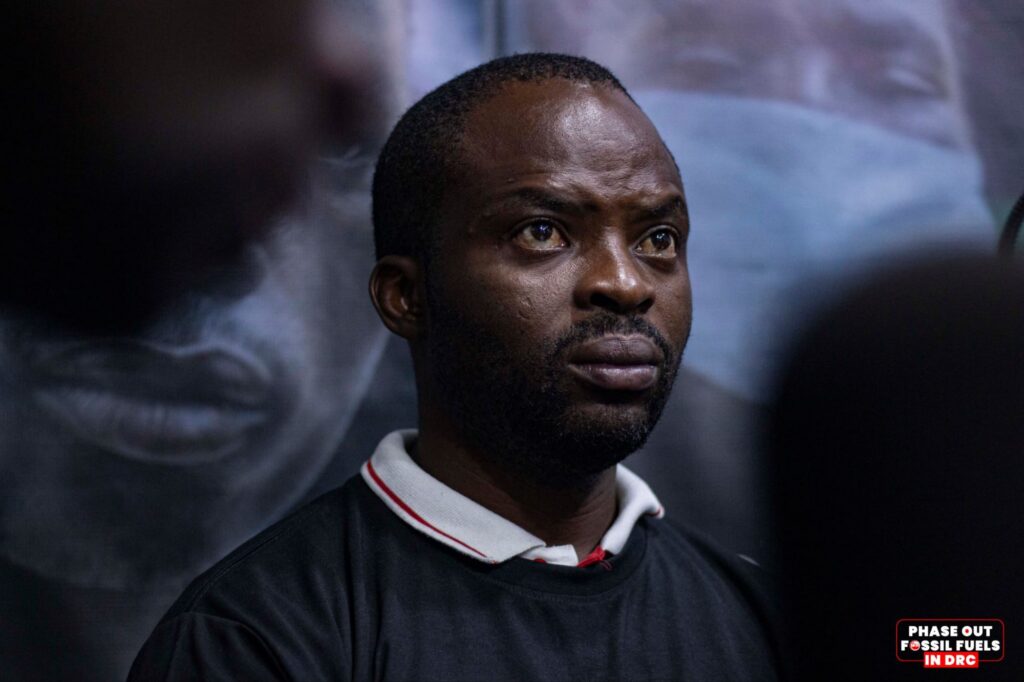
Justin Mutabesha, one of the participants, discussed aspects related to understanding the EACOP project and the 55 oil and gas blocks, as well as the goals of COP30 — climate finance, adaptation to risk, and climate change. According to him, climate consequences affect all layers of the community without exception, making collective awareness essential.
Crispin Ngekani addressed the social, environmental, and ecological impacts of the EACOP project, which is intended to run from Uganda through Tanzania to the Indian Ocean. Regular evaluations using performance indicators and monthly reports will ensure transparency and efficiency in the actions undertaken, paving the way for a citizen-led energy transition based on education, participation, and local innovation. He also emphasized the key role that young people must play in climate action, being on the front lines against destructive projects such as StopEACOP and the exploitation of the 55 oil and gas blocks.

In the DRC, a Citizen and Educational Mobilization to Counter Oil and Climate Threats
Faced with the ecological emergency and the socio-environmental impacts of oil projects such as EACOP and the 55 exploration blocks in the DRC, a collective movement is emerging to raise awareness. This three-month campaign focuses on local engagement through concrete actions in schools, markets, and working-class neighborhoods in Goma, Bukavu, and Ituri. The goal is clear: to halt the expansion of fossil fuels in sensitive areas such as national parks and agricultural territories, while proposing sustainable alternatives. The focus is on information, civic education, and advocacy toward authorities in order to preserve ecosystems and the livelihoods of local populations.

A Transition Driven by the Community and Structured Through Action
Baraka Mugisho spoke about the legal dimensions following the social aspects, stressing that 64% of intact forests will be destroyed, critical ecosystems will be threatened, and around 8.3 million hectares will encroach on protected areas. Even the Kivu–Kinshasa green corridor is at risk, he warned, adding that millions of lives will be disrupted — 39 million people living in affected areas, 63% of community forests impacted, and global climate stability endangered.

Francine Muzi highlighted the role of the media in this campaign, stating that they play a crucial part as key actors in promoting and disseminating information. The media are vectors of education, tools for civic mobilization, and essential partners in raising awareness about the energy transition. They give voice to the voiceless and relay the concerns of affected populations.
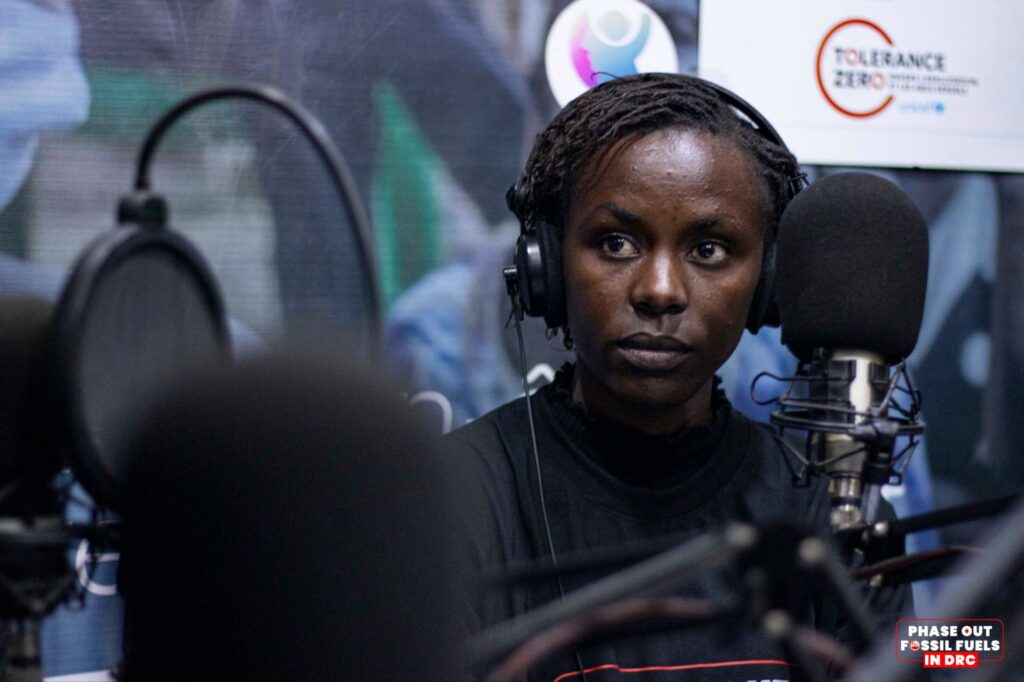
This movement, supported by NGOs, local media, and educational actors, is based on a participatory methodology that gives communities themselves a platform to speak. Various awareness tools — reports, debates, and radio programs — are being used to reach a broad and diverse audience. The initiative aims to strengthen social and ecological resilience, encourage the adoption of renewable energy, and drive a sustainable transformation of practices. Beyond denouncing harmful projects, it outlines a forward-looking vision centered on energy autonomy, climate justice, and the preservation of the Congolese natural heritage.
The Editorial Team