

Voice of the Peasant: Training and informing citizens as a commitment to social and climate justice
Water increasingly toxic and inaccessible
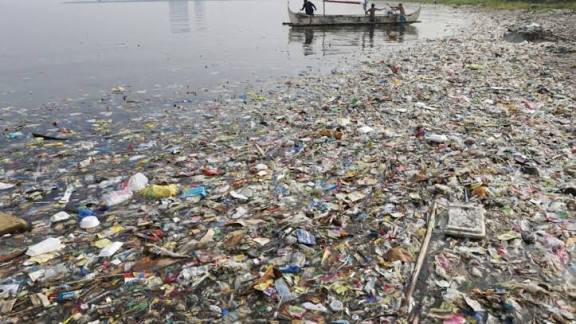
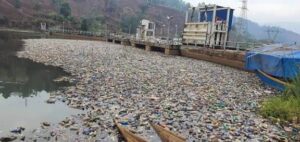
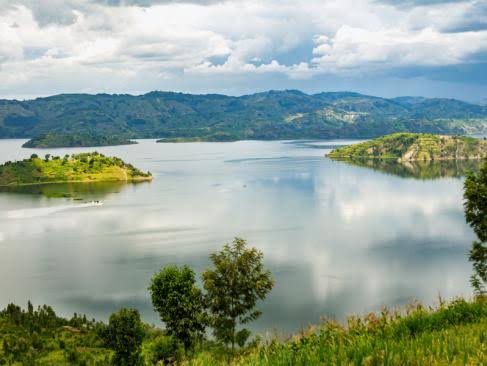
Lake Kivu, a natural jewel shared between the DRC and Rwanda, is today facing an alarming decline in water quality. Untreated wastewater is discharged into the lake daily, while lakeside cities are seeing water bills rise despite worsening quality. Plastic pollution is accumulating along the shores, suffocating ecosystems, while chemicals from various human activities seep into the water, endangering public health.
Worried and angry communities
The teams from www.dec-rdc.org, on the ground, met with fishermen, farmers, and families living around the lake. All denounce the ecological decay of Lake Kivu, which directly affects their daily lives. Fishermen, in particular, report a drastic drop in fish quality and fear for their economic survival. Residents are increasingly concerned about waterborne diseases and the lack of viable alternatives.
A citizens’ call to defend water
In the face of this emergency, a collective appeal is being launched to mobilize citizens, authorities, and partners to act. The goal is to restore the quality of Lake Kivu’s waters by strengthening treatment systems, combating plastic pollution, and banning illegal discharges. Allowing the lake to die would mean condemning an entire region. This fight for clean water is a fight for life, environmental justice, and future generations.
A mobilization that must go beyond words
Outrage is no longer enough. It is time to act, to strengthen citizen oversight, to hold polluters accountable, and to invest in local solutions. Lake Kivu needs all of us, now. Because if we remain silent, an entire ecosystem — both human and natural — risks disappearing forever.
The Editorial Team


One thought on “Lake Kivu in Danger: Warning of an Ecological Disaster Threatening Health, Fishing, and Access to Water”