Voix du Paysan pour former et informer les citoyens : un engagement pour la justice sociale et climatique
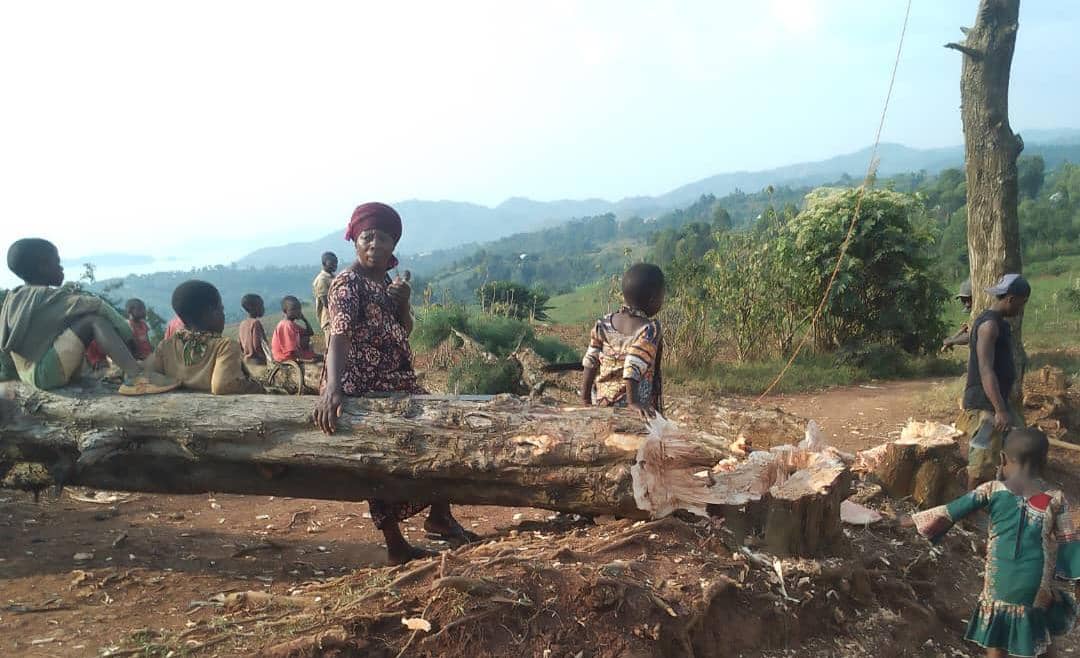
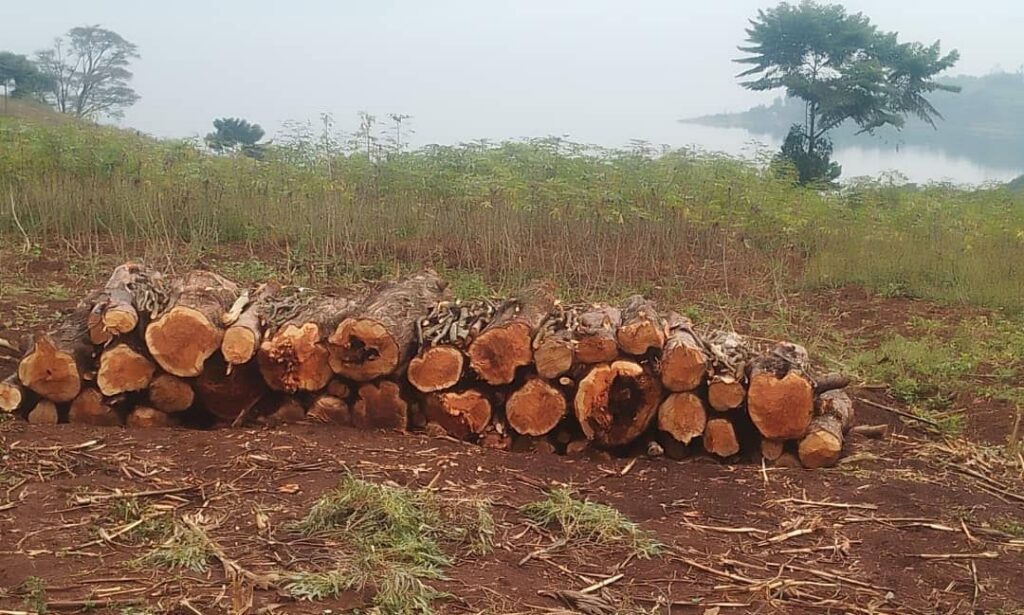
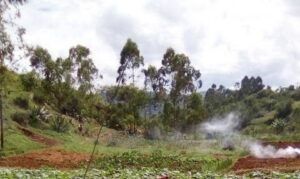
According to several reports conducted within the Bisengimana plantations in Idjwi, which cover the chiefdoms of Rubenga (in the northern part) and Ntambuka (in the southern part), a deeply alarming situation of widespread degradation has emerged. In the northern part of Idjwi Island, agricultural activity is almost non-existent, biodiversity is not respected, infrastructure is dilapidated, deforestation is rampant, land is being grabbed, and facilities have been completely abandoned, with no functioning administration or paid staff. In the southern part, conditions are no better: wooded areas have been destroyed, workers go unpaid, there is no housing for security staff, and several parts of the plantations have reportedly been sold or are being negotiated for sale. This situation reveals a disturbing abandonment of an agro-industrial heritage, with severe ecological, economic, and social consequences for the island.
Bisengimana Plantations in Disarray: Abandonment, Looting, and the Urgent Need for Legal Restoration in Idjwi
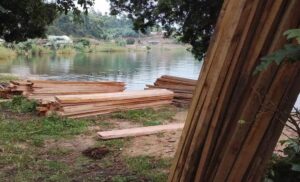
The report reveals a critical state within the Bisengimana plantations in Idjwi, marked by neglect, disorder, and poor management. From the Nyamakinga residence, which has stood uninhabited for years, to key infrastructure such as drying sheds, fish cages, offices, and docks left to decay or ruin, the situation is alarming. The staff are few, poorly supervised, and without access to medical care, while the anarchic exploitation of the Mulinga River and a series of illegal decisions worsen the crisis. Urgent recommendations include sealing parcels sold illegally, verifying property titles, and securing all non-compliant buildings to restore integrity and legality in the management of the Bisengimana estates.
Idjwi on Alert: Saving the Bisengimana Plantations to Prevent Ecological, Social, and Agricultural Collapse
To have any hope of saving this ecological heritage, a series of concrete recommendations must be implemented to sustainably revive the Bisengimana plantations in Idjwi. This begins with revising land boundaries using drones and historical maps to recover stolen lands. The plan also calls for large-scale reforestation, the establishment of nurseries, restructuring human resources, and identifying legitimate workers, farmers, metalworkers, and construction material producers. The report emphasizes the need for new, transparent contracts, the development of crops in marshy areas (such as tomatoes, cabbages, and potatoes), the creation of fish ponds, and the promotion of anti-erosion species such as bamboo. Finally, it calls for resolving labor conflicts and establishing a new financial management system to improve governance and effectively restart plantation activities.
Bisengimana Plantations in Peril: Urgent Revival Needed Amid Land, Ecological, and Human Chaos in Idjwi
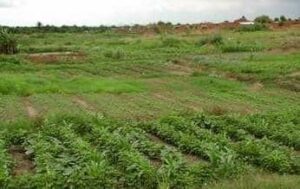
After reviewing the final report by Dunia Elie Never Ahimidiwe, supervising inspector of the Bisengimana plantations in Idjwi, a set of concrete measures is proposed to revive agricultural, social, and structural activities across the crumbling Bisengimana estates. These include replacing ineffective managers currently overseeing the plantations, rehabilitating key buildings such as residences and staff houses, restoring internal roads, providing a motorcycle for supervision, and reforesting areas around the infrastructure. On the social side, the report suggests reorganizing the local football team and promoting staff members, among other initiatives.
The Editorial Team