Voix du Paysan to educate and inform citizens: a commitment to social and climate justice.
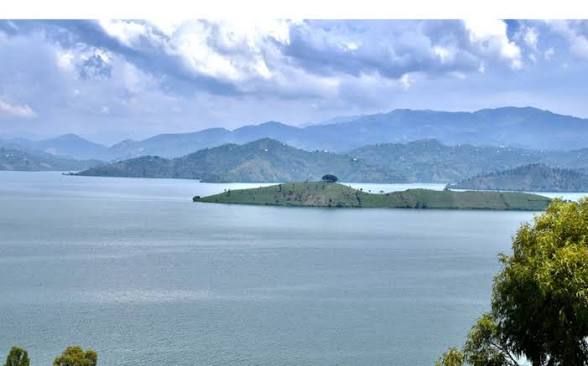
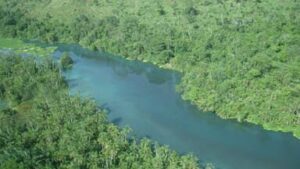
www.dec-rdc.org, always concerned with the preservation of threatened biodiversity in the Great Lakes region of Africa, warns of the imminent dangers posed by oil exploitation in Virunga National Park. Listed as a UNESCO World Heritage Site, this emblematic park of the Democratic Republic of Congo is not only a reservoir of extraordinary flora and fauna; it is also one of the most important watersheds in Central Africa. Thanks to its volcanic relief and majestic mountains such as the Rwenzori range, it gives rise to key rivers such as the Rutshuru, Ishasha, Lume, and Semliki, which flow into Lakes Edward and Albert.
A Natural Water Tower for the Entire Region
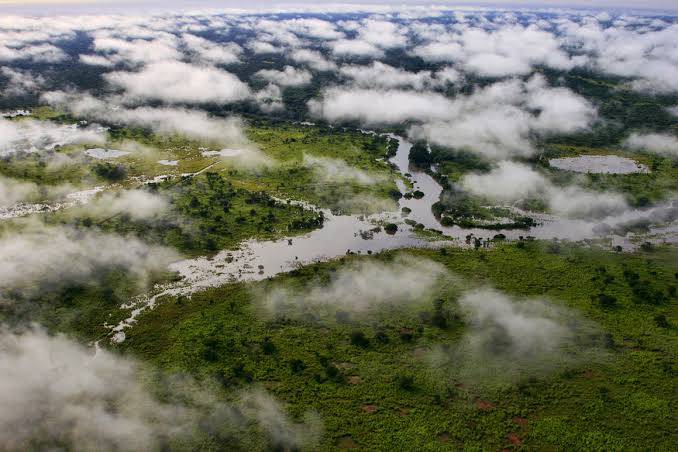
The rivers that originate in Virunga are not mere waterways. They are the hydrological backbone of an interconnected network that feeds the great lakes, regulates ecosystems, and supports millions of human lives. The Rutshuru, Ishasha, and Semliki rivers contribute to the ecological balance of the entire Great Lakes region. They irrigate farmland, shelter endemic species, and form hydraulic links to Africa’s major basins.
Oil Exploitation: A Threat with Irreversible Consequences
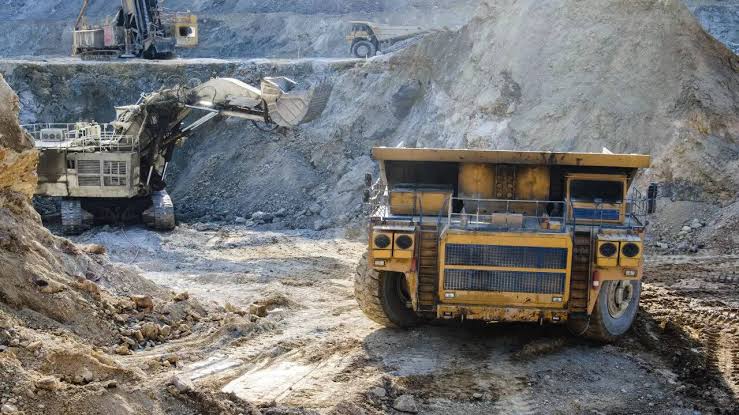
Introducing oil exploitation in the heart of this sensitive region would not only threaten the park’s unique biodiversity, but also disrupt this vital hydrological network. Drilling, leaks, water pollution, and deforestation that accompany such projects pose a direct risk to the quality and flow of the rivers. This imbalance could trigger a cascade of ecological, climatic, and humanitarian consequences — from the drying up of arable land to species extinction and the impoverishment of local populations.
Protecting Virunga Means Protecting the Planet
Destroying Virunga National Park would weaken one of the most precious ecological lungs on Earth. It would expose an entire region — and far beyond — to an ecological disaster with planetary repercussions. Defending Virunga is therefore a global challenge, because preserving these freshwater sources, this rare biodiversity, and this climatic balance means securing a sustainable future for all humanity. Nature does not forgive repeated aggression: sounding the alarm now is still a chance to save this universal treasure.
The Editorial Team