Voix du Paysan » to educate and empower citizens: a commitment to social and climate justice.
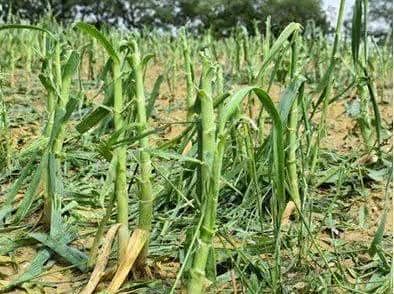
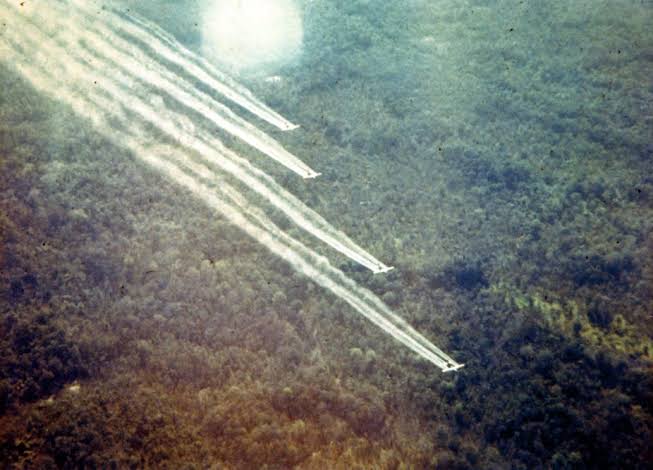
In the collective imagination, wars are primarily associated with human casualties and the destruction of infrastructure. Yet, they also have a devastating impact on the environment. Armed conflicts leave behind contaminated lands, decimated forests, polluted water sources, and deeply disrupted ecosystems. With each explosion, biodiversity is attacked and natural balances are broken.

Mass population displacements put increased pressure on natural resources in host areas: deforestation for shelter construction, overexploitation of groundwater, pollution due to the lack of sanitation systems… Furthermore, military operations often involve high carbon-emitting weapons and technologies, accelerating the climate crisis. War is thus a silent accelerator of ecological chaos.
Conflict zones are frequently excluded from international environmental protection efforts. These war-torn areas escape regulation and become “ecological black holes” where no monitoring is possible. This legal vacuum enables the illegal exploitation of natural resources (timber, minerals, wildlife), further degrading ecosystems and sometimes even fueling ongoing conflict.

Acknowledging the environmental impact of war is essential for building lasting peace. Climate justice cannot be achieved without environmental justice. It is time for political actors, environmental movements, and international institutions to place ecological concerns at the heart of conflict prevention, resolution, and post-war reconstruction strategies. Peace is also an ecological emergency.
— The Editorial Team