“Voix du Paysan” to educate and inform citizens: a commitment to social and climate justice.
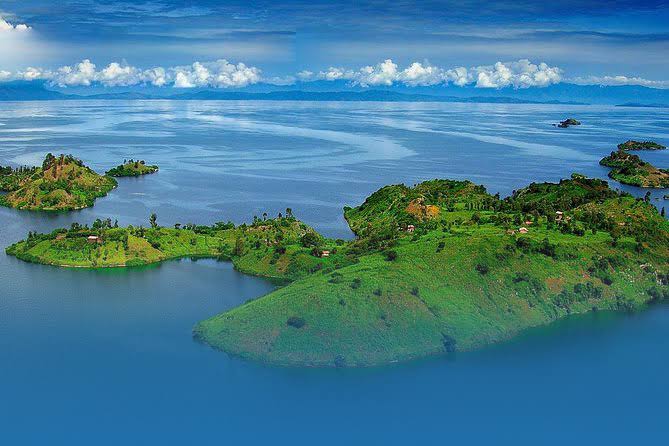
The prospect of extracting both methane gas and dissolved carbon dioxide from the depths of Lake Kivu is raising serious concerns among the scientific community. According to researchers and experts interviewed by www.dec-rdc.org, such an operation, if poorly managed, could destabilize the unique natural balance of this meromictic lake. The uncontrolled release of these high-pressure trapped gases could lead to a sudden degassing event, similar to what happened at Lake Nyos in Cameroon, with potentially catastrophic consequences for surrounding populations.
Scientists also stress that current technologies do not guarantee risk-free exploitation. “Lake Kivu is a fragile system. Any intervention must be preceded by thorough, transparent, and participatory studies,” said a consulted hydrogeologist. The lack of clear risk management plans, combined with the opacity surrounding these gas projects, fuels mistrust. Experts insist on the urgent need to involve local communities in decision-making and to apply strict environmental governance.
Fishermen, farmers, and herders along the lake’s shores and on the island territory of Idjwi are alarmed by the potential impacts on their livelihoods. “If you touch the water, you touch our lives,” said a fisherman from Nyakalengwa. The gas threatens not only fish biodiversity but also agricultural soils and livestock watering points. These communities, living in close symbiosis with the lake, fear the loss of their lands, traditions, and vital resources.
Thus, www.dec-rdc.org calls for a moratorium on all industrial exploitation of Lake Kivu’s gases until conditions of environmental safety, social justice, and citizen participation are fully met. Kivu must not become a testing ground at the expense of human lives and ancestral ecological balance.
The Editorial Team
Project to Exploit the Two Gases of Lake Kivu: An Imminent Socio-Environmental Threat www.dec-rdc.org listens to the communities and experts of the Kivu region