Voice of the Farmer: Educating and informing citizens for social and climate justice.
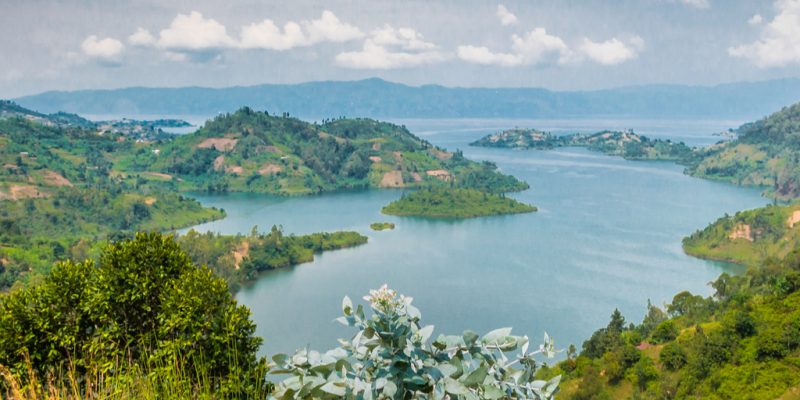
Lake Kivu is not merely a body of water bordering the island territory of Idjwi; it is the living memory of its people, the source of their food, economy and cultural identity. Yet today this exceptional ecosystem is under increasing pressure from human activity. Unplanned construction along the shoreline, the gradual disappearance of riverside vegetation, inappropriate farming practices, illegal rubbish dumps and the uncontrolled exploitation of natural resources are accelerating shoreline erosion and the degradation of aquatic habitats. Every tree that is felled, every strip of riverside vegetation that is destroyed and every fish breeding ground that is disturbed moves Idjwi further away from a sustainable model of development. The loss of these buffer zones is not only a threat to biodiversity; it is also a direct threat to food security, artisanal fishing and the climate resilience of lakeside communities.
Yet the solutions already exist and are within the reach of both decision-makers and local communities. The official creation of buffer zones around the entire shoreline of Lake Kivu and its many islands is now an ecological emergency that can no longer be postponed. This requires participatory mapping of the shoreline, clearly marking protected boundaries, reforestation with suitable native species such as bamboo and indigenous trees, and the restoration of areas that have already suffered severe degradation. These measures must be accompanied by a ban on construction within shoreline protection zones, the relocation of pollution sources away from the lake, the promotion of environmentally responsible agriculture, and the protection of fish spawning grounds that are essential for the renewal of fish stocks. A well-managed buffer zone acts as vital natural infrastructure, filtering pollutants, reducing sedimentation in the lake and helping to lessen the impacts of climate change.
However, no environmental policy can succeed without the support of those who live alongside the lake every day. Fishermen, farmers, traditional leaders, women, young people and civil society organisations must become the primary guardians of this shared heritage. The establishment of community shoreline management committees, the development of local environmental monitoring teams, and the promotion of income-generating activities compatible with conservation—such as agroforestry, ecotourism and beekeeping—offer a credible path towards combining environmental protection with improved living standards. Restoration initiatives already underway on Idjwi demonstrate that citizen mobilisation, when supported by technical expertise and institutional backing, can produce lasting results.
The real challenge is now a political one. Provincial and national authorities, research institutions, environmental organisations, technical and financial partners, together with local communities, must make the restoration of Lake Kivu’s buffer zones a strategic priority. A Community Programme for the Restoration of Buffer Zones on Idjwi would be an investment in peace, food security, biodiversity and climate justice. Protecting the shores of Lake Kivu means safeguarding a natural heritage of international importance while guaranteeing future generations the right to live on an island where ecological wealth remains the foundation of development. History will judge harshly those who chose inaction when all the knowledge and solutions were already within their reach.
Emmanuel Ndimwiza
Editor – Voice of the Farmer
Idjwi Faces Its Ecological Destiny: Saving the Buffer Zones of Lake Kivu Before Erosion, Pollution and Indifference Irreversibly Compromise the Natural Heritage and the Future of Island Communities