Voix du Paysan: Informing and Empowering Citizens for Social and Climate Justice
The island territory of Idjwi, once celebrated for its lush green hills and fertile landscapes, is now facing an unprecedented ecological crisis. Mountains that were once covered with forests have been stripped bare, soil erosion is devastating farmlands, water sources are drying up, and agricultural yields continue to decline year after year. What was once perceived as an environmental concern has evolved into a direct threat to food security, economic development, and the very future of the island’s communities. Unless urgent action is taken, Idjwi risks becoming one of the most striking symbols of the climate crisis in the Democratic Republic of the Congo.
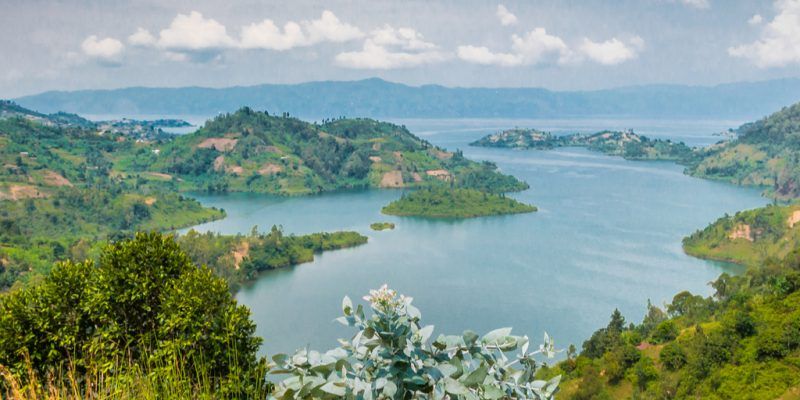
Yet there is still a path forward. The Congolese government, working alongside provincial authorities, local communities, universities, civil society organizations, and international partners, has an opportunity to launch an ambitious ecological restoration program. Degraded hillsides should be reclaimed, reforested with suitable native species, and transformed into community forests that generate biodiversity, sustainable livelihoods, and climate resilience. These restored landscapes would help protect fragile soils, revive freshwater springs, and preserve a natural heritage capable of sustaining agriculture and human well-being for generations to come.
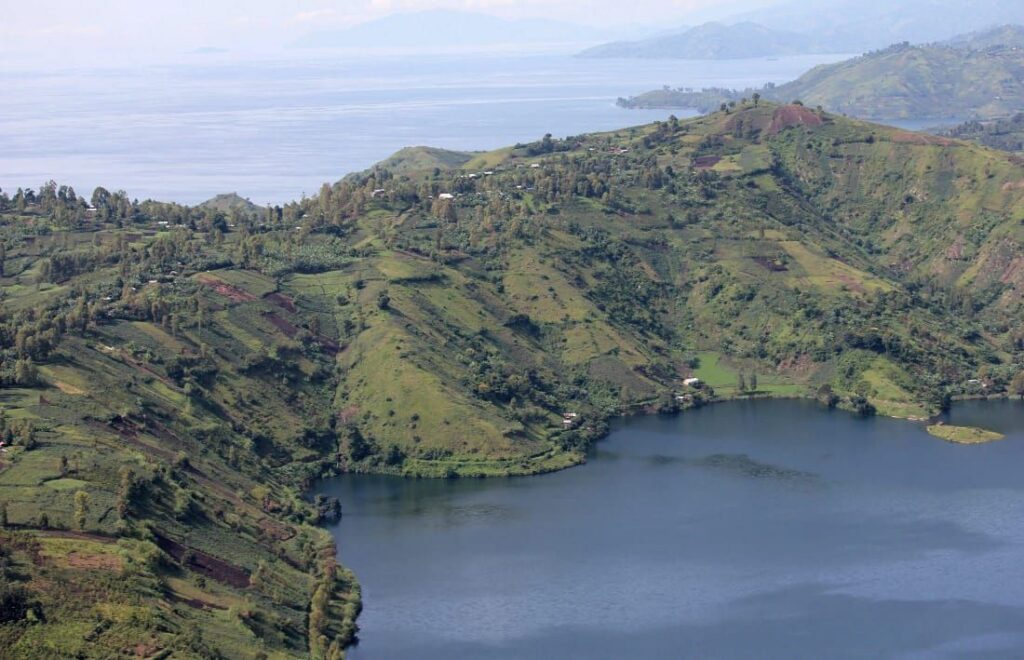
The time has also come for South Kivu’s provincial lawmakers and Idjwi’s elected members of the National Assembly to demonstrate historic leadership. They should champion and adopt legislation dedicated to restoring degraded landscapes, protecting remaining forest ecosystems, and establishing a special ecological recovery program for Idjwi. It is then the responsibility of the government to translate these commitments into concrete action by mobilizing adequate funding, establishing tree nurseries, implementing large-scale reforestation campaigns, and ensuring the participatory management of future community forests.
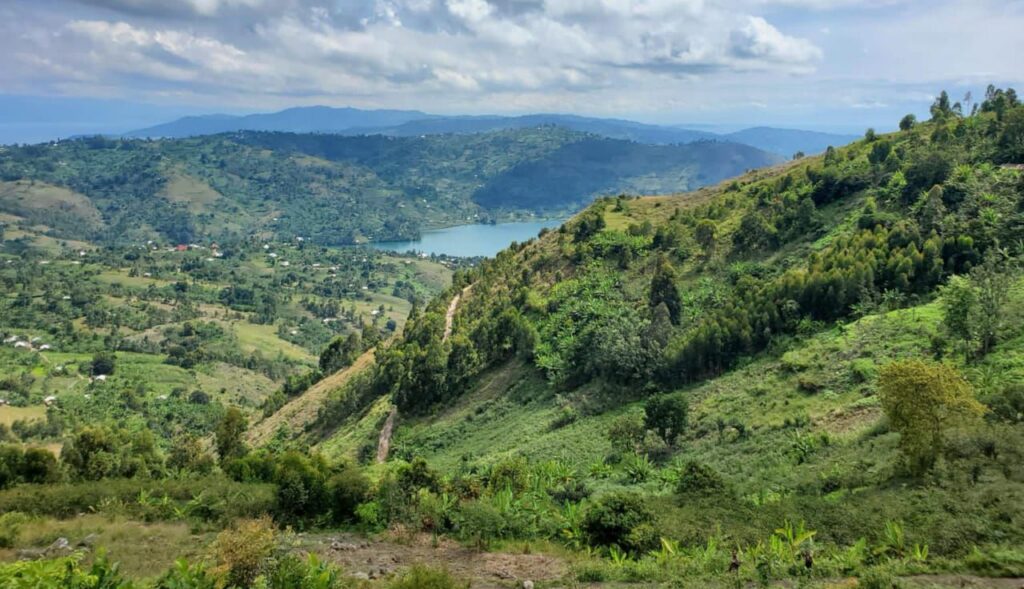
Today, climate advocates issue a solemn appeal to local, national, and international stakeholders: saving Idjwi is no longer merely a political choice—it is a moral responsibility to present and future generations. Every planting season lost accelerates land degradation and brings the island’s communities closer to the reality of climate-induced displacement. But the future is not yet written. With strong political will and collective action, Idjwi can once again become an African model of ecological restoration, where green hills return, fertile soils are revived, and hope flourishes once more in the heart of Lake Kivu.
Emmanuel Ndimwiza
Editor – Voix du Paysan