Voix du Paysan: Informing and Educating Citizens for Social and Climate Justice
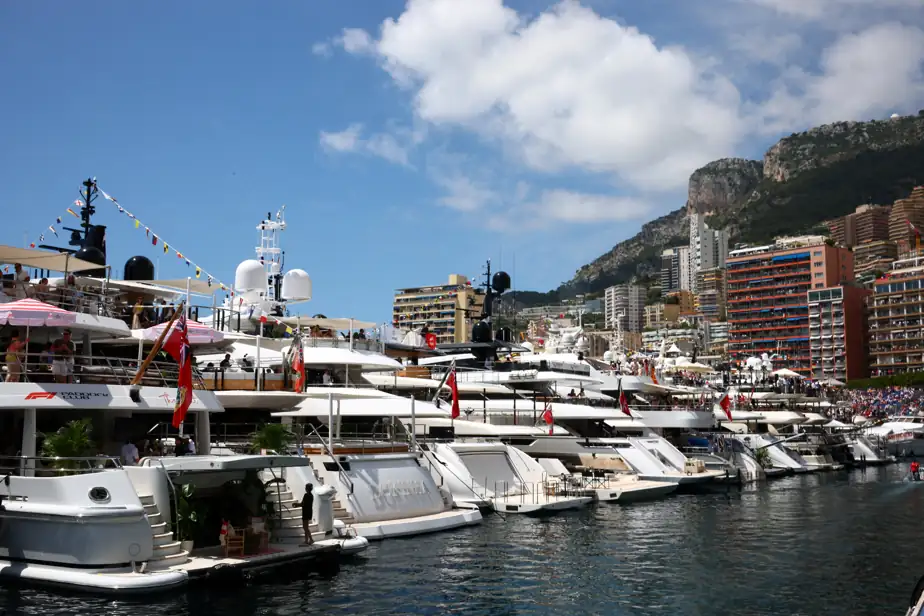
The findings of a recent scientific study published in Communications Sustainability are unequivocal: the wealthiest 10% of consumers worldwide bear a major responsibility for biodiversity loss and the worsening climate crisis. Estimated at between US$1.7 trillion and US$5.7 trillion annually, the environmental damage associated with their lifestyles exposes a profound ecological injustice. Behind frequent air travel, highly polluting vehicles and excessive resource consumption lies a largely overlooked reality: it is the world’s poorest populations who suffer the most severe consequences of this environmental degradation.
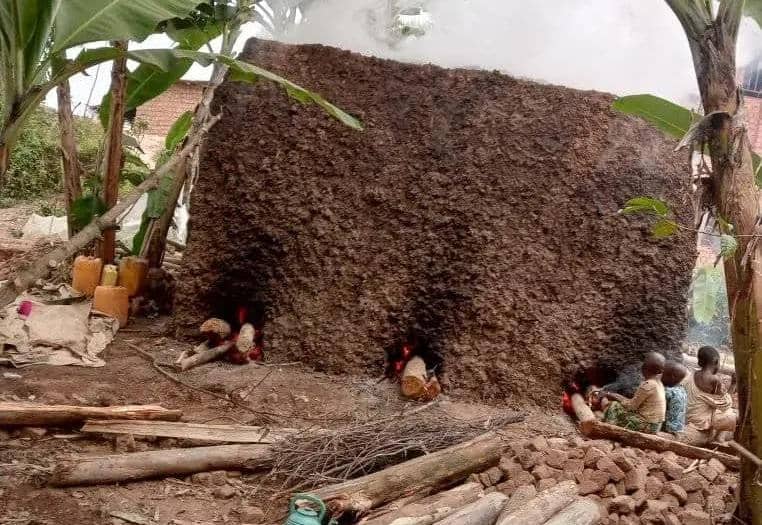
This situation highlights a deeply concerning moral and social divide. While millions of people across the globe struggle to gain access to clean water, food security and decent living conditions, a privileged minority exerts a disproportionate pressure on ecosystems. The rapid loss of biodiversity, which accounts for more than half of the environmental costs identified by the study, directly threatens the livelihoods of rural and vulnerable communities. Climate justice, therefore, cannot be separated from social justice: protecting nature also means safeguarding human rights and human dignity.
In the face of this urgent challenge, policies based on the polluter-pays principle, combined with ambitious regulations and a transformation of consumption patterns, are becoming essential. However, the response cannot be purely economic. It must be grounded in a renewed ethic of collective responsibility, where solidarity, moderation and fairness guide both individual and institutional choices. Addressing the global ecological crisis ultimately requires recognising that human dignity, social justice and environmental protection are inseparable components of the same struggle for present and future generations.
Emmanuel Ndimwiza
Editor
Global Ecological Crisis: How the Overconsumption of the Wealthiest Threatens Human Dignity, Deepens Inequalities and Jeopardises the Future of the Planet