Voix du Paysan to educate and inform citizens, a commitment to social and climate justice.
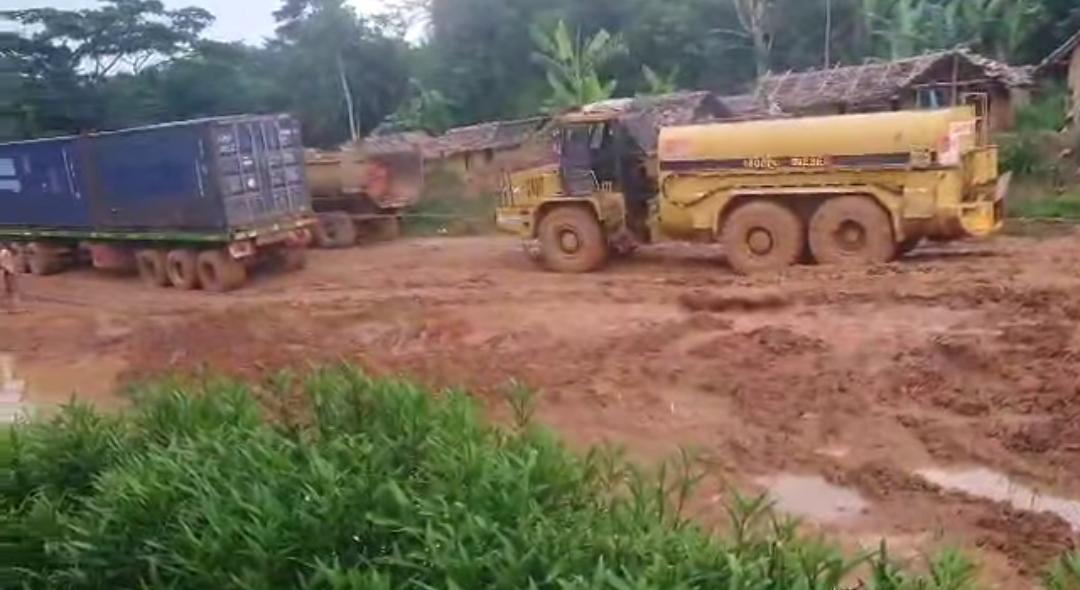
In the territory of Walikale, in North Kivu, industrial mineral exploitation, which is supposed to be a driver of economic development, paradoxically seems to be increasing the precarity of local communities. This area, rich in strategic resources such as gold, coltan and cassiterite, has attracted significant investment for several years, but the positive impacts remain barely visible for nearby populations. Surrounding villages continue to suffer from a severe lack of basic social infrastructure, particularly access to drinking water, healthcare, education and usable roads. At the same time, industrial mining activity often leads to population displacement, increased pressure on agricultural land and environmental degradation, further reducing traditional means of subsistence. This gap between the wealth beneath the ground and the persistent poverty of daily life fuels a sense of abandonment and social injustice.
Insufficient economic benefits for local communities
Despite the strategic importance of mining in this part of North Kivu, employment opportunities for residents remain limited and often precarious. Skilled positions are mostly occupied by external workers, while local populations are left with temporary jobs that are poorly paid and lack social protection. Commitments made by some companies regarding social responsibility, including the construction of schools, health centres or road maintenance, are slow to materialise or remain insufficient in relation to real needs. This situation deepens inequalities and further weakens local economies, already affected by insecurity and isolation. Communities that had hoped industrial exploitation would improve their living conditions are instead faced with a reality where economic benefits seem increasingly distant, while negative impacts become more pronounced.
Questioned mining governance and an urgent need for rebalancing
Faced with this situation, many voices are rising to denounce a system of natural resource governance considered insufficiently transparent and inclusive. Local populations are calling for better redistribution of mining revenues, meaningful involvement in decision making processes and strict respect for environmental standards. The absence of rigorous oversight and effective monitoring of commitments made by mining companies contributes to growing distrust between communities, authorities and mining actors. In a context where Walikale’s minerals represent a major economic stake, the urgency lies in establishing mechanisms that ensure industrial exploitation genuinely contributes to local development. Without deep reform of resource management and greater accountability from all parties involved, there remains a risk that mineral wealth will continue to fuel misery instead of becoming a true engine of progress for the territory’s populations.
La Rédaction
Plundering of minerals in Walikale, natural wealth confiscated, populations impoverished, when industrial exploitation fuels misery in the heart of North Kivu