Voix du Paysan pour former et informer les citoyens : un engagement pour la justice sociale et climatique.
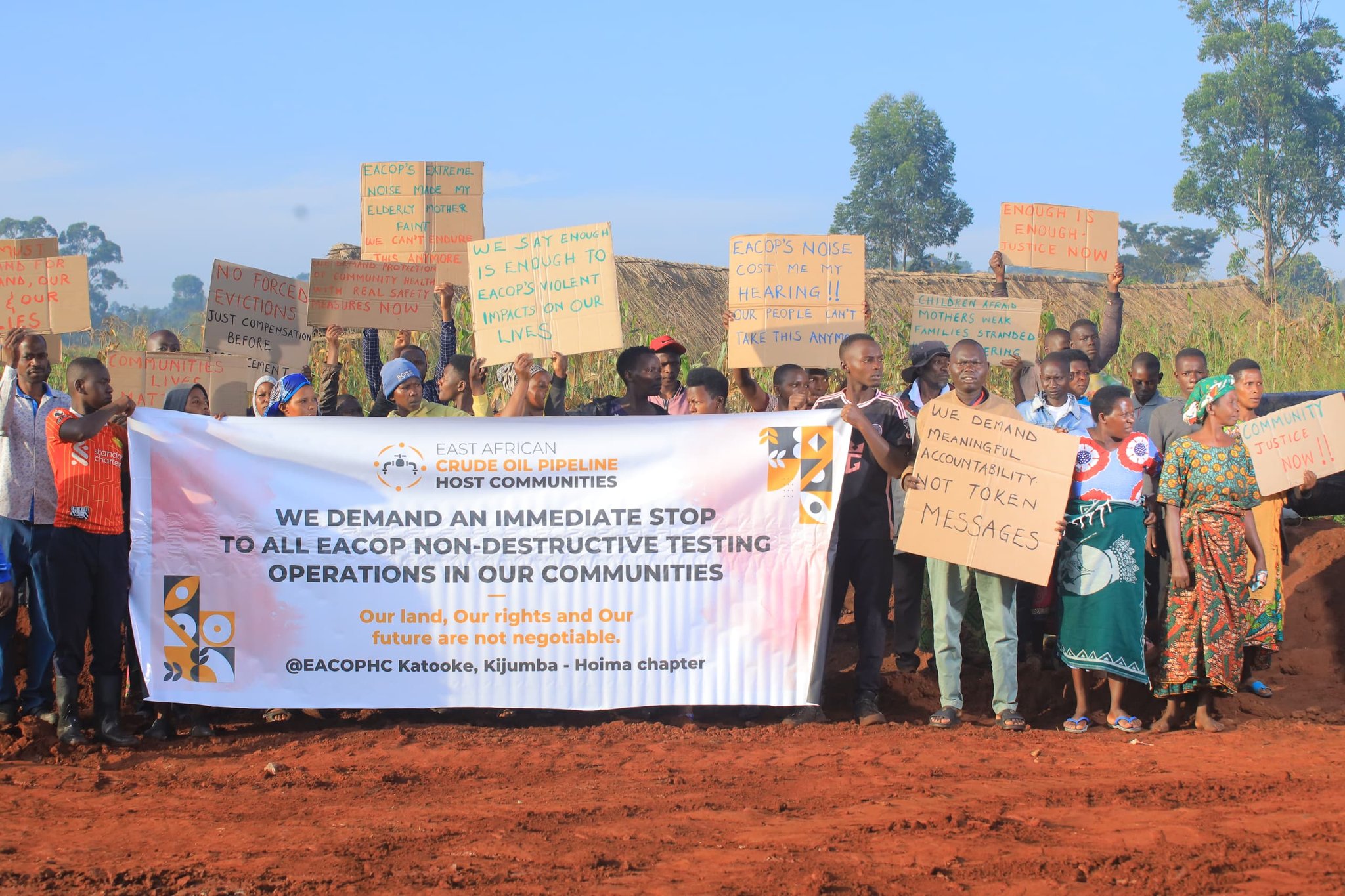
Across the affected regions, communities have come together in an unprecedented show of unity to denounce the destructive practices linked to the East African Crude Oil Pipeline (EACOP) project. Farmers, indigenous populations, youth groups and local leaders are raising their voices against what they describe as systematic violations of land rights, environmental degradation and social injustice caused by the project’s activities. At the heart of their protest is the demand for an immediate halt to so-called non-destructive testing operations, which communities argue have in reality resulted in serious damage to farmland, water sources and ecosystems. For many families, the land is not only a source of livelihood but also the foundation of their cultural identity, making the ongoing destruction a direct threat to their survival and dignity.
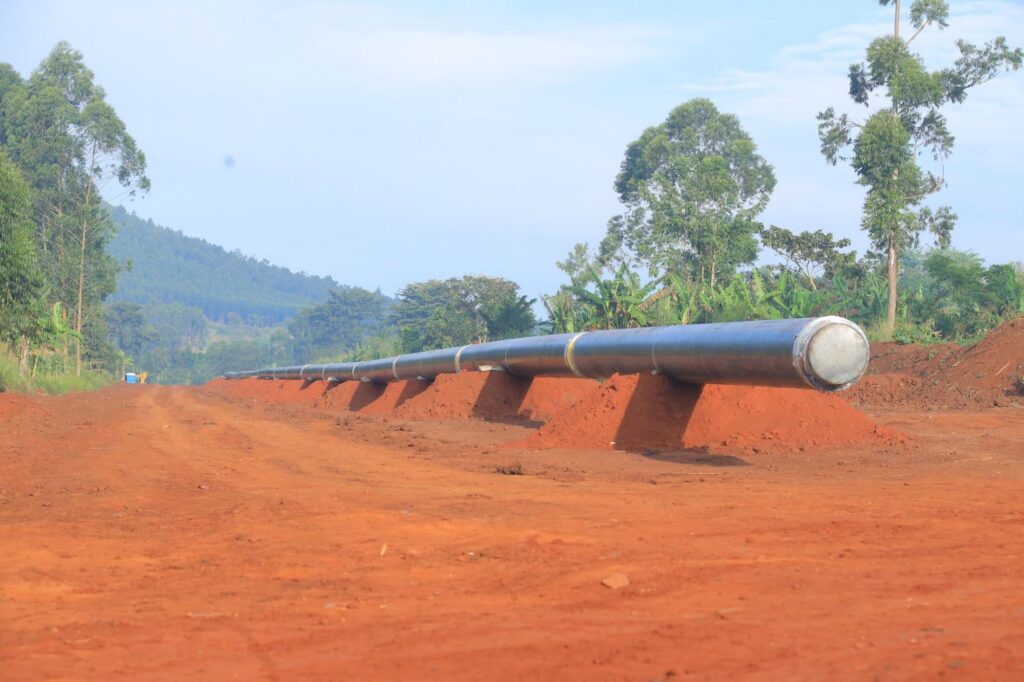
Non-destructive testing that leaves lasting scars on land and livelihoods
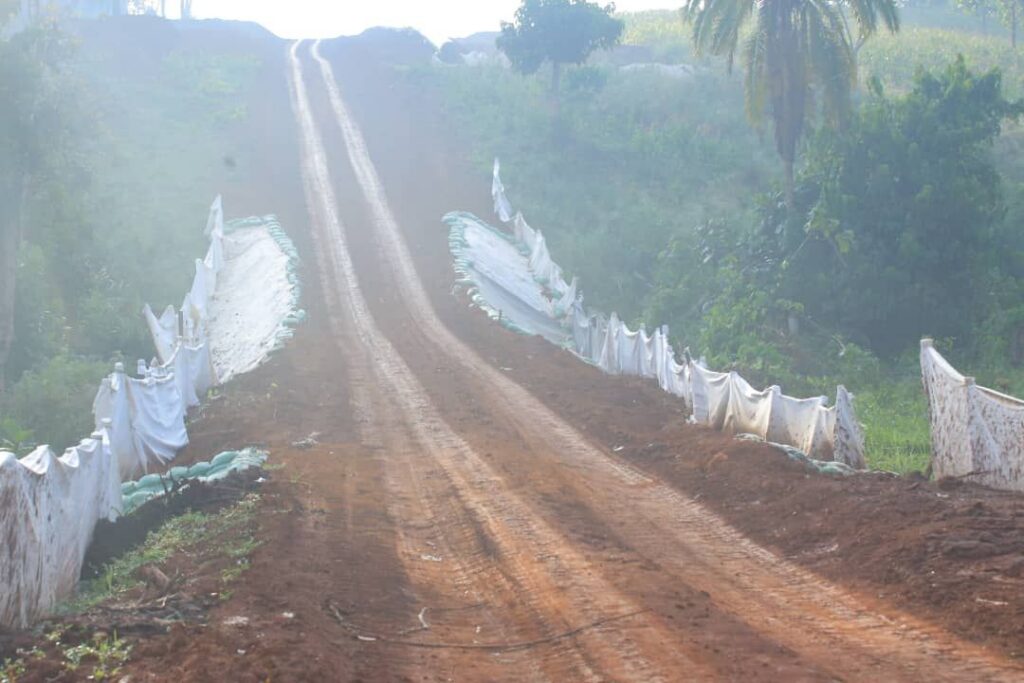
Community members report that the non-destructive testing carried out under the EACOP project has led to soil degradation, loss of crops and restricted access to ancestral lands. What was initially presented as harmless preliminary work has, according to local testimonies, disrupted agricultural activities and compromised food security. Families who rely on farming and grazing now face uncertainty, as damaged land can no longer sustain their daily needs. Civil society organizations supporting the communities argue that these impacts were neither adequately disclosed nor fairly compensated, deepening mistrust toward project implementers. As a result, calls are growing louder for transparency, independent assessments and the suspension of all operations until the real environmental and social costs are fully addressed.
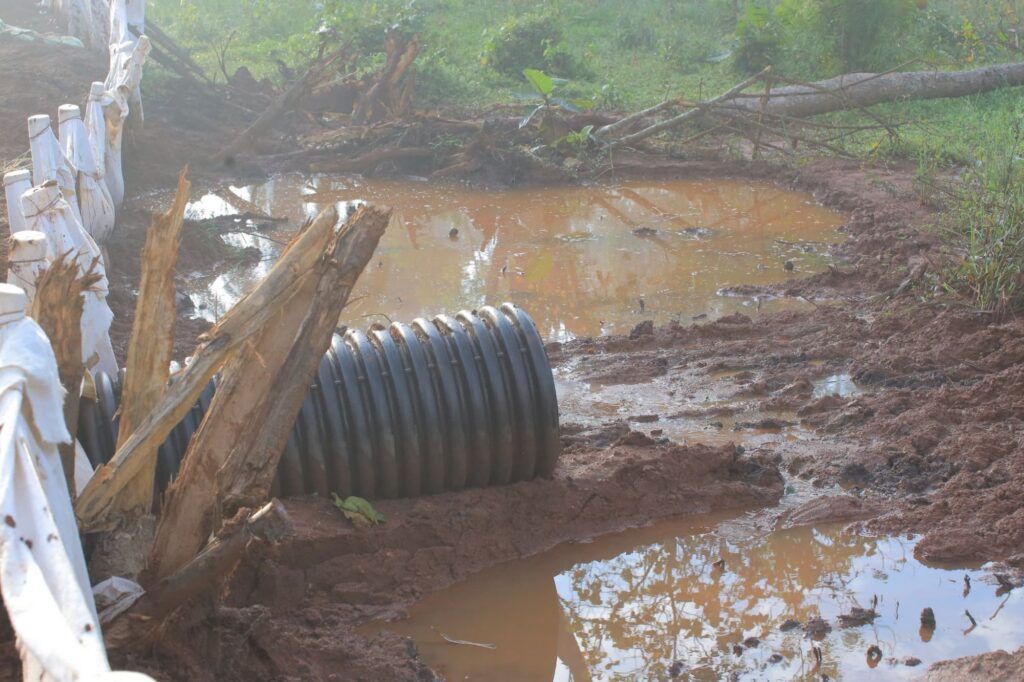
Our land, our rights, our future: a call for justice and accountability
Beyond the immediate environmental harm, the resistance against EACOP reflects a broader struggle for human rights, justice and self-determination. Communities are demanding accountability for the destruction already caused, including proper compensation and restoration of damaged land. They insist that development projects cannot be imposed at the expense of people’s rights and long-term wellbeing. “Our land, our rights, and our future are not negotiable,” has become a unifying slogan, capturing the determination of communities to defend their heritage for future generations. By standing together, they are sending a clear message to governments, investors and international partners: any development must respect human rights, protect the environment and place communities at the center of decision-making.
La Rédaction