Voix du Paysan – informing and empowering citizens: a commitment to social and climate justice.
When methane leaks slip through the cracks of regulation, British civil society is taking the fight all the way to the courts.
On 7 October 2026, the Climate Emergency Centre Network will host Emily Mott of the Weald Action Group for a webinar examining one of the blind spots in Britain’s climate crisis: methane emissions from onshore oil and gas operations. Behind the industrial facilities, pipelines and wells lies a highly potent pollutant that remains inadequately monitored and regulated. Yet cutting methane emissions is one of the fastest ways to slow the pace of climate change.
The Weald Action Group is determined to break through this regulatory silence. Through its “Clean Air, Clear Future” campaign, launched in 2026, the organisation seeks to expose weaknesses in the UK’s systems for measuring, monitoring and regulating methane emissions. Because what is not properly measured can easily be overlooked; and what is overlooked can continue to pollute. Behind the technical language of environmental standards lies a far more political question: who is actually protecting the air citizens breathe?
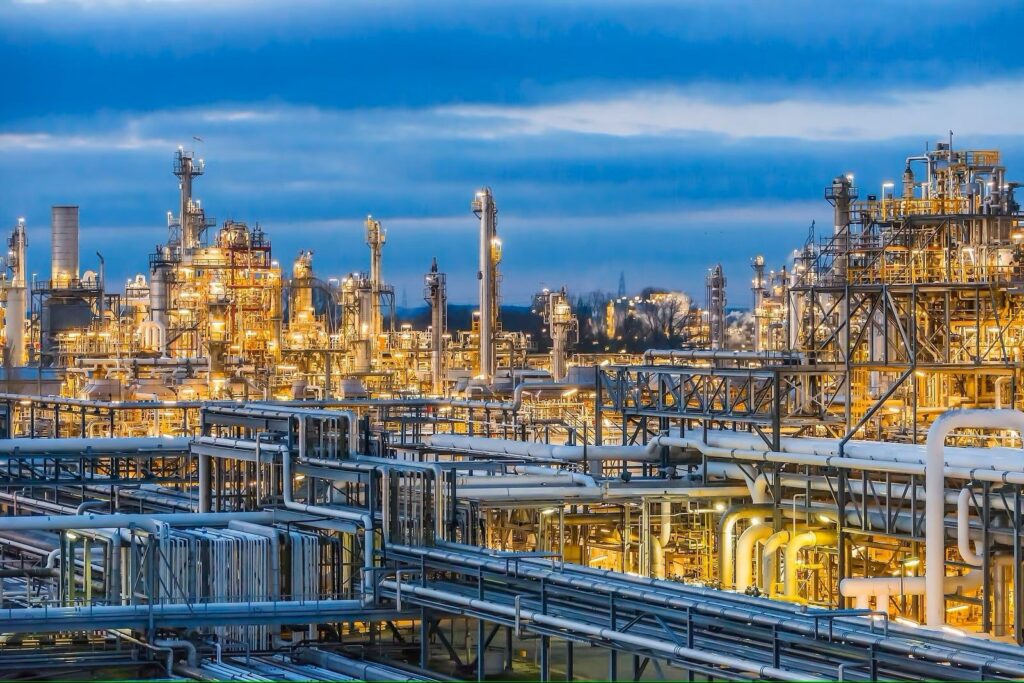
Following its landmark victory in the Finch case before the UK Supreme Court, the environmental movement is not backing down. It is now opening two new legal fronts: one challenging shortcomings in the UK Government’s methane policy before the Department for Energy Security and Net Zero, and another against the Environment Agency, which is accused of weak environmental regulation surrounding the Horndean oil site, operated by Star Energy on the border between West Sussex and Hampshire. The climate battle is therefore moving beyond speeches and pledges and into the realms of law, public accountability and transparency.
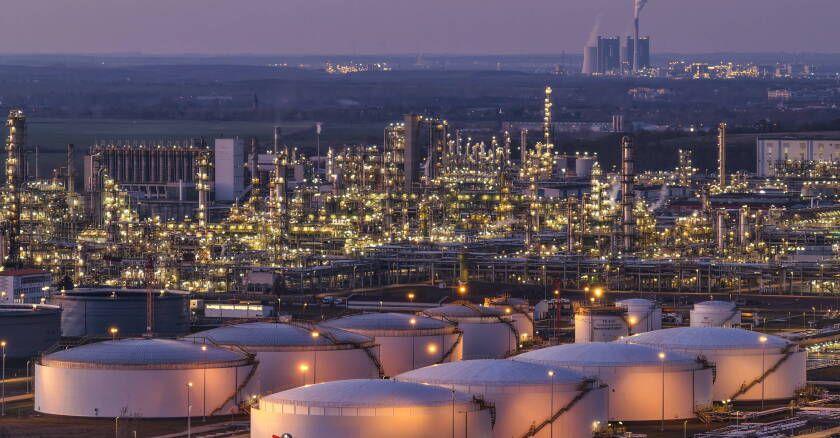
This campaign is a reminder of a truth that governments sometimes prefer to hide behind figures and promises: the climate transition will not be won solely at major international conferences. It will also be fought around wells, infrastructure and the administrative decisions that authorise or tolerate pollution. Methane does not always make the headlines. It lacks the spectacular visibility of an oil spill or the striking images of a forest ablaze. Yet its warming potential makes it one of the most urgent pollutants to tackle. Turning a blind eye to methane leaks is effectively accepting a climate emergency managed only halfway.
The Weald Action Group’s campaign therefore reaches far beyond Britain’s borders. It raises a universal question for governments, regulators and industry: can we still claim to be protecting the climate while allowing dangerous emissions to remain poorly measured, weakly regulated or inadequately penalised?
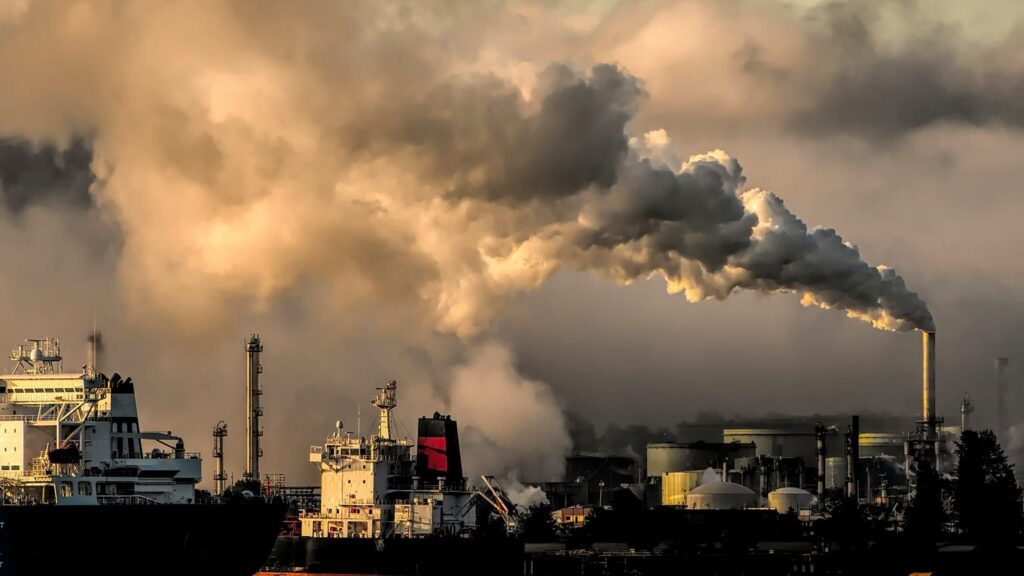
From London to the Kivu region, the lesson is the same: climate justice begins when citizens refuse to allow polluters to benefit from legal and regulatory grey areas. On 7 October, methane will be at the centre of a webinar. But behind that screen lies a much larger struggle: for breathable air, credible regulation and a future that is not sacrificed in the name of hydrocarbons.
Emmanuel Ndimwiza
Editor – Voix du Paysan