Voix du Paysan to train and inform citizens: a commitment to social and climate justice.
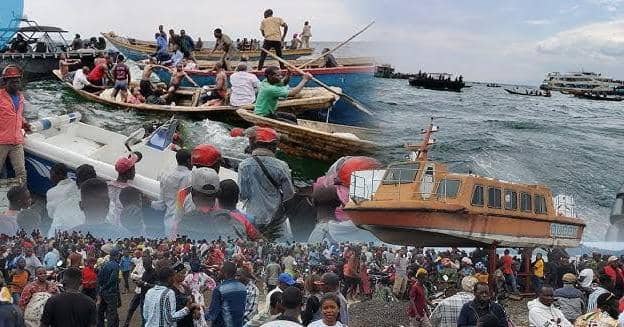
Transport on Lake Kivu is a vital pillar of mobility, trade, and social ties between the Congolese and Rwandan shores. However, this growing economic activity is placing multiple pressures on the environment: water pollution from fuel, solid waste dumped into the lake, destruction of shorelines for the installation of port infrastructure, and disturbance of aquatic habitats. Faced with these threats, the question of the socio-environmental responsibility of transport actors becomes crucial.
Ignored Environmental Impacts
The majority of lake transport companies operate without environmental impact studies or pollution control mechanisms. Old engines, non-compliance with safety standards, and the lack of waste collection systems contribute to the rapid degradation of lake ecosystems. The silence of the authorities in the face of these violations fuels a sense of impunity.
Socio-Economic Issues Closely Linked to the Environment
Artisanal fishing, the health of riparian populations, and the local economy all depend directly on the quality of the lake’s waters. Yet the deterioration of the environment threatens these vital activities. It is therefore essential to integrate local communities into discussions on sustainable regulation of lake transport.
Perspectives for Ecological Governance of Transport
Implementing strict standards, monitoring mechanisms, and incentives to adopt environmentally friendly practices (solar boats, waste management, awareness-raising) is essential. Transport companies must be held accountable, with the involvement of the State, civil society, and donors, to ensure the long-term protection of Lake Kivu.
Lake Transport: A Silent Threat to the Ecosystem
Transport enterprises on Lake Kivu play a key role in the degradation of lake ecosystems, through oil leaks, disregard for environmental standards, and the absence of control mechanisms. This polluting pressure threatens biodiversity, water quality, and the livelihoods of local communities, particularly fishers. In light of these challenges, socio-environmental responsibility is imperative: regulating activities, raising awareness among sector stakeholders, and integrating lake protection into any sustainable development strategy.
Lake Transport on Lake Kivu: An Urgent and Unavoidable Ecological Responsibility
The situation of Lake Kivu highlights the urgency of an integrated approach combining environmental regulation, accountability of transport operators, and citizen participation. Beyond the findings of pollution and degradation, it is about rethinking an entire model of lake development, placing ecology at the heart of mobility policies. The sustainability of transport cannot be separated from the health of ecosystems or from the rights of the communities who depend on them.
The Editorial Team
Lake Kivu in Danger: Rethinking the Socio-Environmental Responsibility of Lake Transport to Preserve Ecosystems