Voix du Paysan – training and informing citizens as a commitment to social and climate justice.
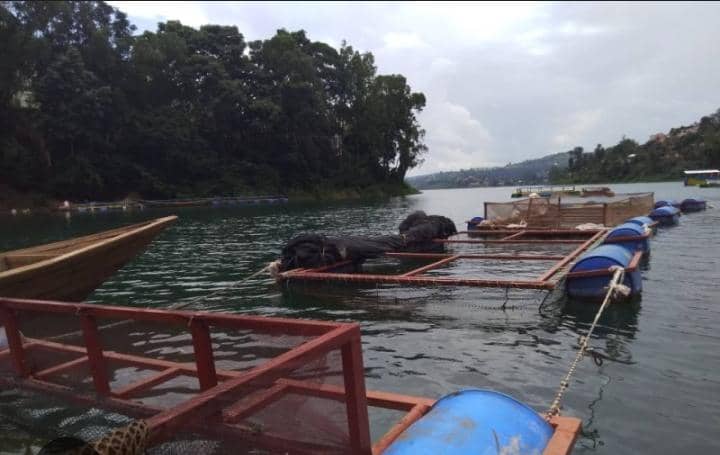
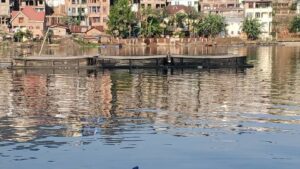
In response to declining fish stocks in Lake Kivu, floating cage fish farming has emerged as a promising alternative to enhance food security and boost the local economy. This increasingly common practice in the Congolese waters of the lake involves raising species such as tilapia in floating metal or net cages. While aquaculture may seem beneficial in the short term, growing concerns are being raised about its ecological impact. Through its environmental advocacy program, www.dec-rdc.org met with researchers, scientists, fishermen, and lakeside communities to better understand the stakes.
A growing imbalance in lake ecosystems
Experts agree that floating cages disrupt the natural balance of the lake. The high concentration of fish in confined spaces leads to the accumulation of organic waste, uneaten food, and fecal matter, which reduces oxygen levels and promotes the growth of toxic algae. These changes can harm native species and aquatic food chains, threatening the unique biodiversity of Lake Kivu.
Mixed socio-economic impacts on lakeside communities
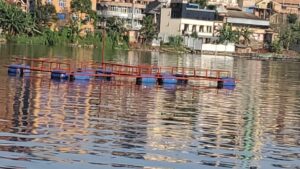
While some fishermen appreciate the income generated by this practice, others denounce it as unfair competition and a creeping privatization of previously free fishing areas. Traditional fishing communities are losing access to their fishing zones, while young aspiring fish farmers struggle to obtain the technical resources needed to enter the industry. This imbalance fuels social tensions and raises questions about the fair distribution of the benefits from this new sector.
Toward sustainable and inclusive aquaculture regulation
Scientists interviewed by www.dec-rdc.org recommend stricter regulation of cage farming, including systematic environmental impact assessments and community involvement in decision-making. It is urgent to find a balance between economic development and the preservation of Lake Kivu’s fragile ecosystem. Only inclusive and ecologically sound governance will ensure the sustainability of this practice without endangering aquatic biodiversity and local livelihoods.
The Editorial Team