Voice of the Peasant: Training and informing citizens as a commitment to social and climate justice
A first day rich in exchanges and commitments
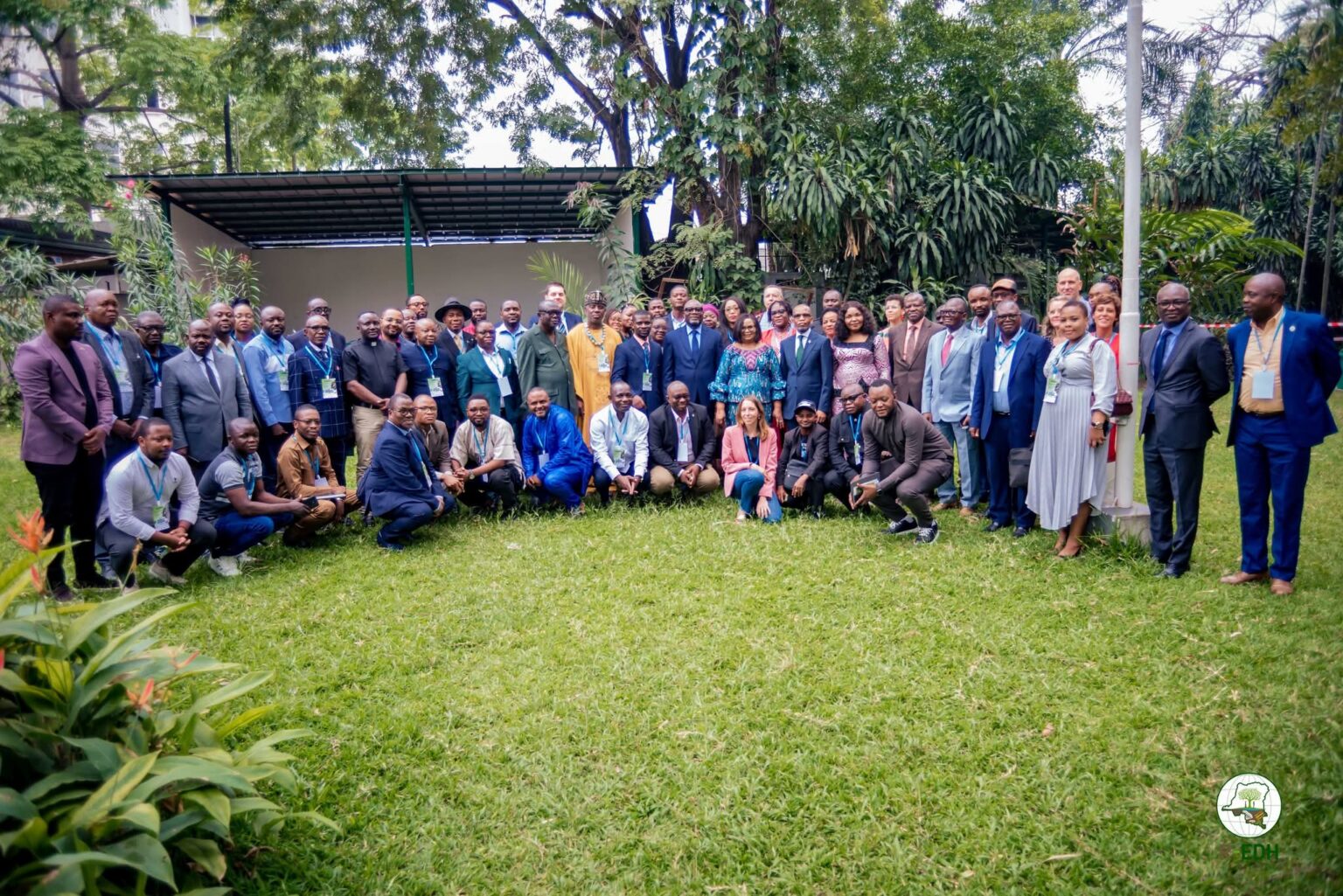
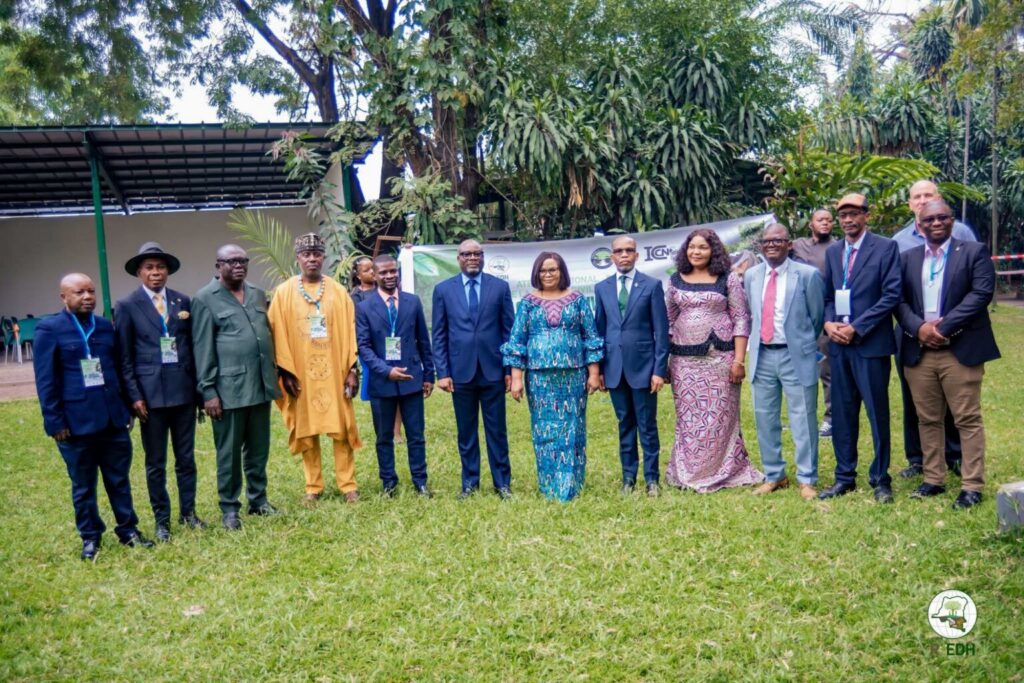
The first day of the workshop on the Kivu-Kinshasa Green Corridor (CVKK) laid the foundations for a shared vision of sustainable community development, based on biodiversity conservation, the promotion of the green economy, and respect for local populations’ rights. Joe Eisen, Executive Director of RFUK, set the tone with a striking keynote highlighting the link between ecological stability and social justice. Several major institutional figures, including the Director General of ICCN and representatives from relevant ministries, emphasized the need for inclusive governance and a robust legal framework.
A space to analyze the potential and challenges of the CVKK
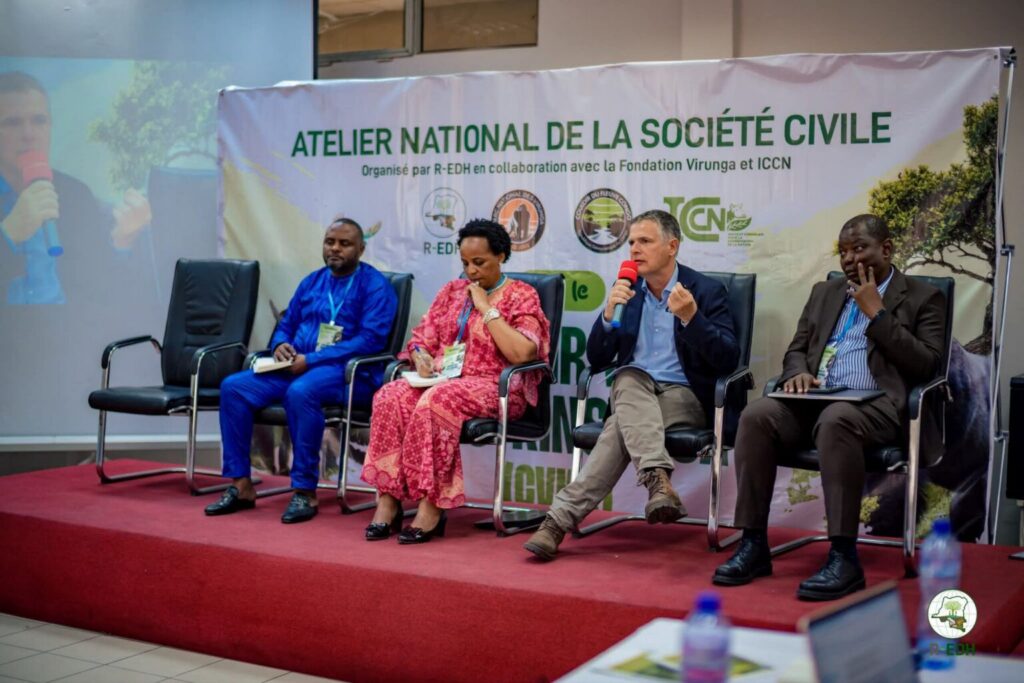
Morning panels established the project’s framework: legal structure, location, natural resource potential, as well as risks and challenges. The idea of an ecological and economic corridor linking the East and West of the DRC generated strong interest, both for its environmental significance and its potential for community integration and regional stability.
Stimulating economic opportunities and green financing
Afternoon discussions explored possibilities for creating green jobs, supporting local development projects, and implementing innovative financing mechanisms. Incentive-based fiscal models, public-private partnerships, and learning from experiences elsewhere were proposed as levers to mobilize the necessary resources.
Preserving security and strengthening local resilience
The day concluded with a roundtable focused on security issues, particularly in the eastern provinces, where CVKK implementation must navigate local tensions. André Cizungu and other stakeholders highlighted the importance of involving local communities in securing the project, to make it a driver of lasting peace.
The Editorial Team