Voix du Paysan: informing and empowering citizens — a commitment to social and climate justice.
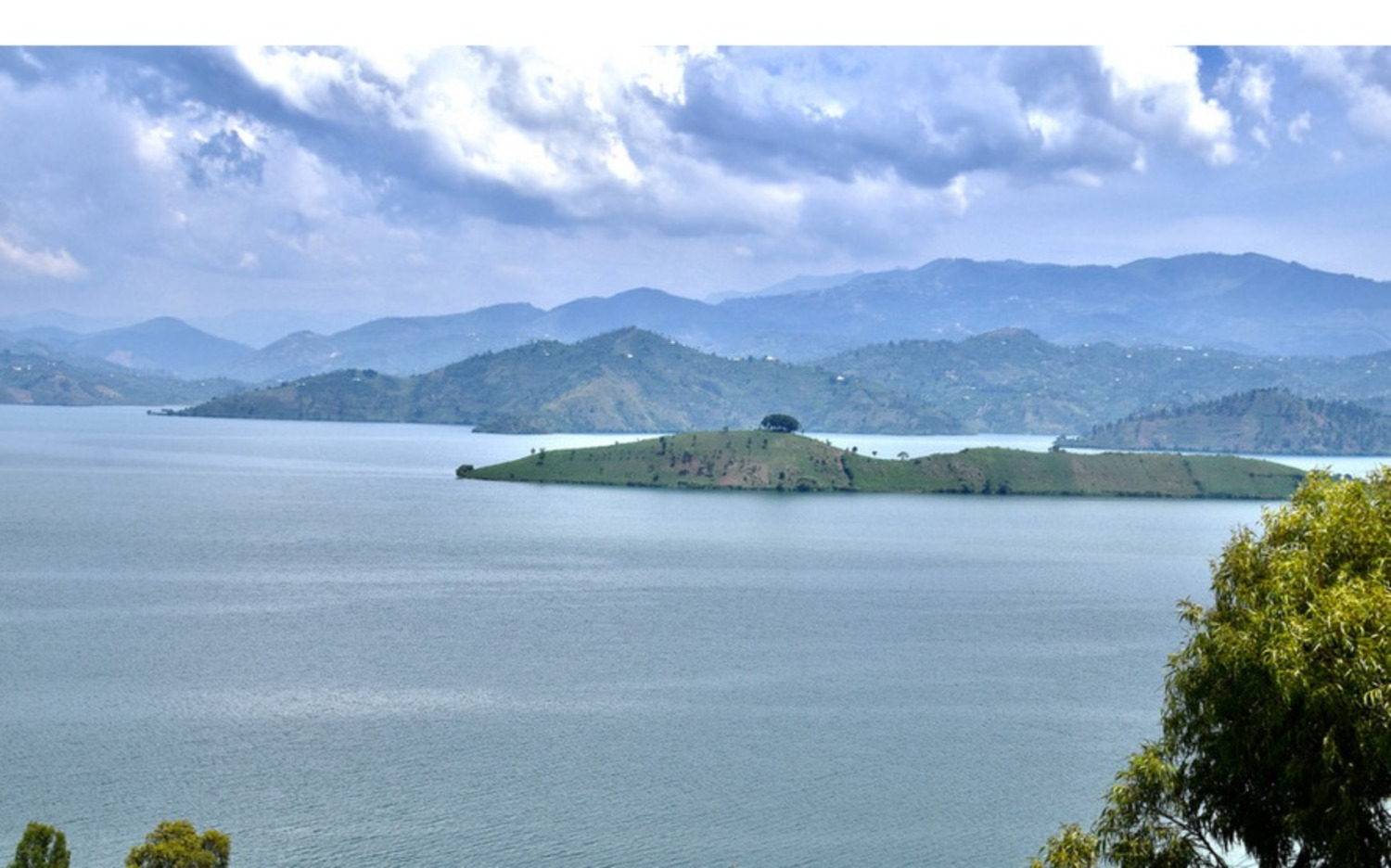
Beneath the waters of Lake Kivu lies far more than a vast reserve of methane gas. For the communities living along its shores, the lake is a source of life, a sacred heritage and a fragile equilibrium that no promise of billions should be allowed to disrupt.
Lake Kivu is not merely a deposit marked on a map to satisfy investors’ appetite. It is a memory, an economy, a source of food and, for some, a sanctuary. Thousands of families depend on its fish, its waters and the economic activities that have developed along its shores. In the stories and representations of some local communities, the methane sleeping in its depths is also part of the lake’s mysterious balance — a presence that should be respected rather than recklessly disturbed. Here, spirituality is not folklore to be dismissed, but an expression of peoples’ deep attachment to their land and territory.
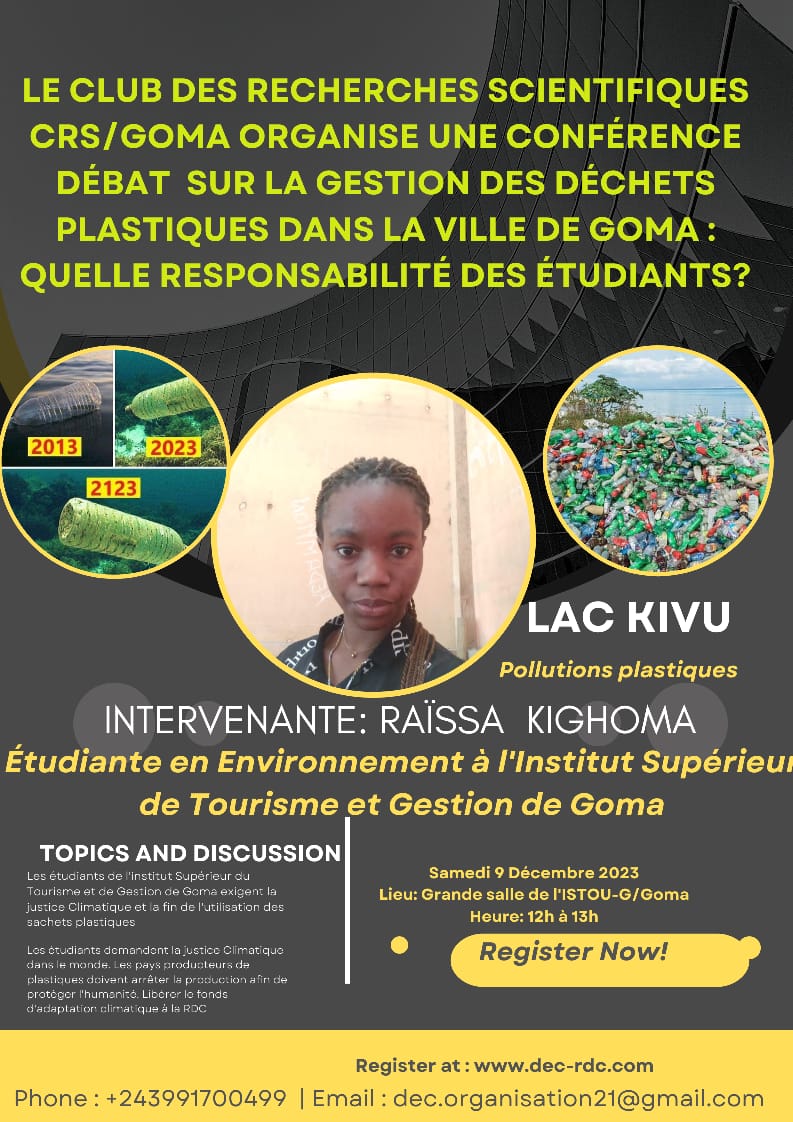
And yet the same lake whose riches are coveted is being turned into a dumping ground. Household waste, plastics and wastewater from some surrounding urban areas are ending up in its waters, as though the lake’s value depended solely on what it could generate financially. What a strange contradiction: seeking to extract its underground wealth while abandoning its living riches to pollution. Before talking about billions, perhaps we should begin by protecting what already exists.
The race to exploit methane therefore raises a question that goes far beyond the profitability of industrial projects: who does Lake Kivu really belong to? To multinational corporations that see an opportunity for business in its depths? To governments hoping for tax revenues and investment? Or to the communities that, generation after generation, have built their lives around its waters? Without rigorous environmental and social impact assessments, transparency and serious consideration of community demands and commitments, any exploitation project risks turning the promise of development into a new source of vulnerability.
The communities living along the lake are therefore right to raise their voices. Their opposition does not necessarily mean that they reject all forms of development. Rather, it serves as a reminder of a fundamental truth that economic powers too often forget: a people must never be sacrificed in the name of profit. Their demand is simple: that the authorities place the protection of Lake Kivu, the safety of local populations and the preservation of ecosystems at the very top of their priorities. For when a lake feeds a population, sustains ecological balances and carries a collective memory, decisions about its exploitation cannot be made in offices far removed from its shores.
The choice is therefore stark: should Lake Kivu become a vault for a handful of capitalist interests, or should it be preserved as a common heritage for future generations? Let us not recklessly awaken what lies sleeping beneath its waters. The methane can wait; the lake cannot be replaced. The authorities of the Democratic Republic of the Congo and Rwanda bear a historic responsibility: to protect, study, clean up and govern this shared heritage together with the communities, rather than imposing decisions made in the name of economic returns. True development does not consist of extracting, until exhaustion, everything that nature has entrusted to us. It sometimes means having the courage to say no when the price of profit could be the destabilisation of an ecosystem upon which an entire region depends.
Emmanuel Ndimwiza
Editor — Voix du Paysan
Lake Kivu: Do Not Awaken the Giant Beneath the Waters