Voix du Paysan – Informing and Empowering Citizens: A Commitment to Social and Climate Justice
Every piece of plastic discarded today becomes a toxic legacy for future generations. Africa can no longer afford to be a continent where consumption comes without responsibility and where the problem is buried in oceans, rivers, and ultimately in human bodies.
Plastic is the greatest illusion of the consumer society. It promises convenience while leaving behind an ecological debt that will outlive entire civilizations. A shopping bag used for a few seconds, a bottle discarded after a single drink, packaging forgotten the moment it is opened—these are fleeting objects whose consequences will endure for centuries. From the depths of the oceans to the highest mountains, from Africa’s coastlines to the human placenta, where microplastics have now been detected, this synthetic material has become the ultimate symbol of a form of progress that is consuming its own future. For decades, scientists, environmental advocates, and campaigners—from Rachel Carson to Wangari Maathai, from Greenpeace campaigns to African grassroots movements—have warned of this looming catastrophe. Yet the warnings continue to multiply faster than meaningful political action.
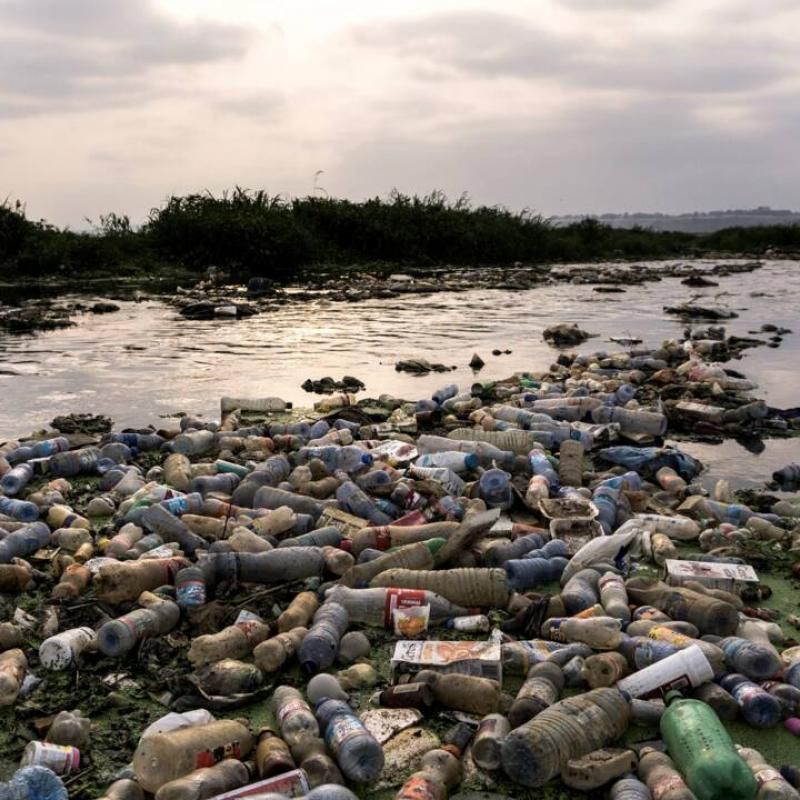
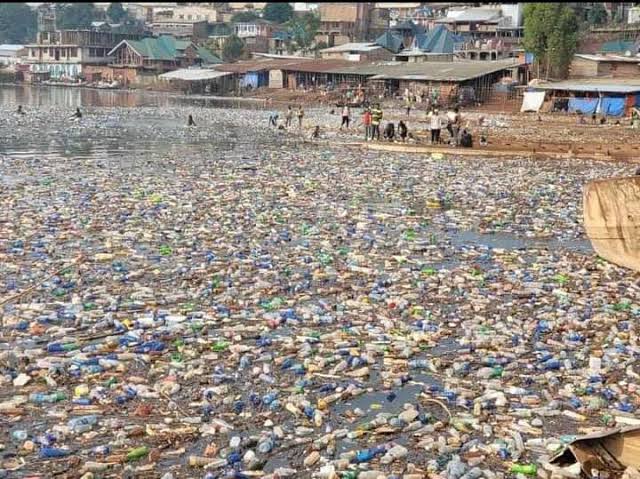
Africa is paying a price it never chose. Although it generates only a small share of the world’s plastic waste, it bears the burden of inadequate waste management systems, imported waste, polluted rivers, devastated mangrove forests, suffocating lakes, and the gradual contamination of the food chain. Sea turtles, whales, seabirds, fish, and coral reefs have become the silent victims of an economic model built on disposable products. Even more alarming, microplastics have infiltrated drinking water, food, and the air we breathe, raising growing concerns about human health. Behind every piece of abandoned plastic lies an assault on biodiversity, food security, public health, and the dignity of communities.
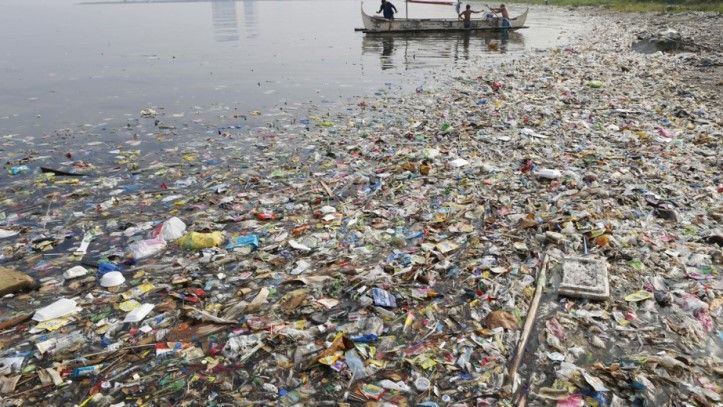
The time for speeches has passed; what is needed now is political courage. African governments must ban the most harmful single-use plastics, strengthen recycling systems, enforce the polluter-pays principle, and invest in a circular economy capable of creating sustainable jobs. Manufacturers must take responsibility for the products they place on the market. Local authorities must modernize waste collection systems. Researchers must continue advancing scientific knowledge, journalists must keep investigating without compromise, teachers must educate future generations, artists must inspire collective imagination, and citizens must reject the normalization of disposable plastics. At the international level, negotiations for a Global Plastics Treaty must not surrender to the influence of petrochemical lobbies. The public interest must finally prevail over private profit.
The fight against plastic pollution has become a defining struggle of our civilization. It is no longer simply about cleaning beaches or sorting waste—it is about deciding what kind of world we will leave behind. Every petition signed, every ambitious public policy adopted, every company that transforms its practices, and every citizen who refuses single-use plastics brings humanity one step closer to a cleaner, healthier, and more sustainable future. History will judge harshly those who chose a few moments of convenience over centuries of pollution. It will instead honor those who understood that protecting the planet is, above all, protecting life itself.
Emmanuel Ndimwiza
Editor – Voix du Paysan