Voix du Paysan: Empowering and Informing Citizens Through a Commitment to Social and Climate Justice
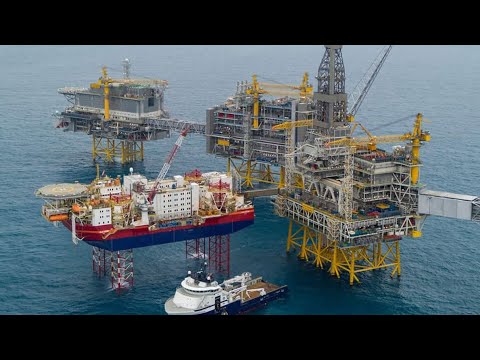
There are moments when a report does more than expose facts: it compels a nation to confront what it has long chosen to ignore. The latest investigation by Human Rights Watch into Perenco’s oil operations in Muanda belongs to that category. This document does not merely highlight alleged environmental violations; it reveals the contradictions of a development model that continues to turn the Democratic Republic of Congo’s natural wealth into a source of suffering for the communities living alongside these resources. Behind the barrels of oil lie polluted lands, contaminated waters, toxic emissions, and families deprived of their fundamental right to live in a healthy environment. At a time when the world recognizes the strategic importance of the Congo Basin in the fight against climate change, Muanda serves as a reminder that no ecological transition can be considered credible if it allows sacrifice zones to persist.
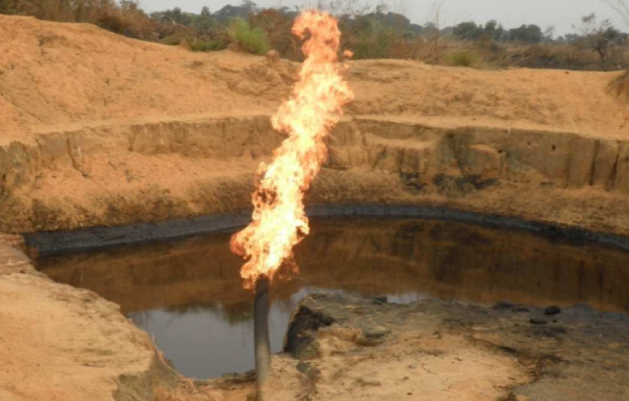
Perhaps the most alarming aspect is not only the seriousness of the reported findings, but their recurring nature. For years, local communities, civil society organizations, and environmental defenders have raised concerns about the impacts of oil activities in the region. Yet responses remain inadequate, investigations are delayed, accountability remains unclear, and meaningful reparations are still awaited. Such inaction fuels a dangerous perception of impunity. A state that tolerates these situations over time risks undermining its own credibility, both among its citizens and its international partners. Environmental justice cannot remain a slogan reserved for global conferences; it must become a tangible reality in the territories where the most vulnerable populations bear the greatest burdens.
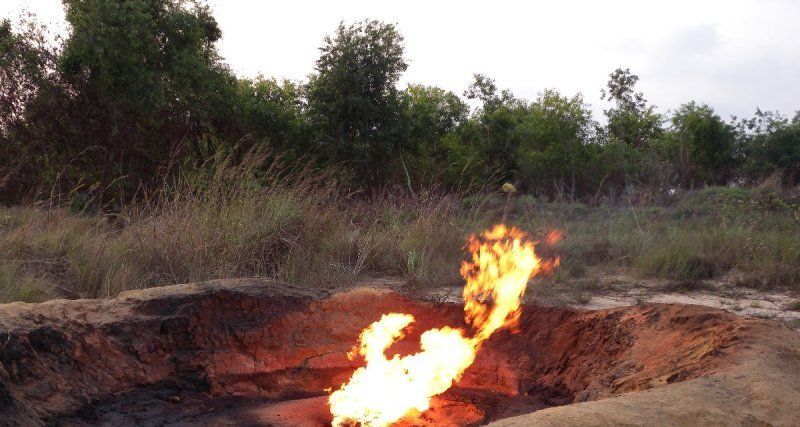
It is within this context that the call led by Pascal Mirindi and the “Notre Terre Sans Pétrole” (Our Land Without Oil) campaign goes far beyond a simple civic demand. It represents a fundamental call for public accountability. Suspending any expansion of oil activities in Muanda until the allegations are fully investigated, publishing environmental audits, launching an independent inquiry, ensuring the restoration of polluted sites, compensating affected communities, and protecting environmental defenders are not excessive demands. They are the minimum requirements of a state governed by the rule of law and committed to upholding its national and international obligations. More broadly, this movement reminds us that the Democratic Republic of Congo cannot credibly claim climate leadership in Africa unless it places the protection of its citizens at the heart of its environmental policies.
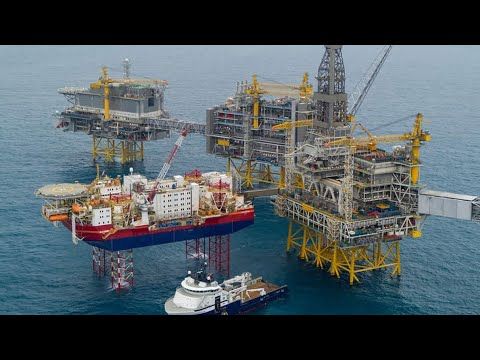
History will remember not the speeches made in response to this investigation, but the decisions taken afterward. Congolese authorities, judicial institutions, parliamentarians, technical and financial partners, donors, media organizations, and international institutions are now confronted with their responsibilities. Ignoring these revelations would amount to institutionalizing environmental impunity. Acting, on the other hand, would pave the way for a new model of governance built on transparency, accountability, and restoration. Muanda is no longer waiting for promises; it is waiting for action. Because the true wealth of a nation is not measured by the volume of oil extracted from beneath its soil, but by its ability to protect the dignity and well-being of the people who call that land home.
Emmanuel Ndimwiza
Publisher – Voix du Paysan