Voix du Paysan Committed to educating and empowering citizens for social and climate justice.
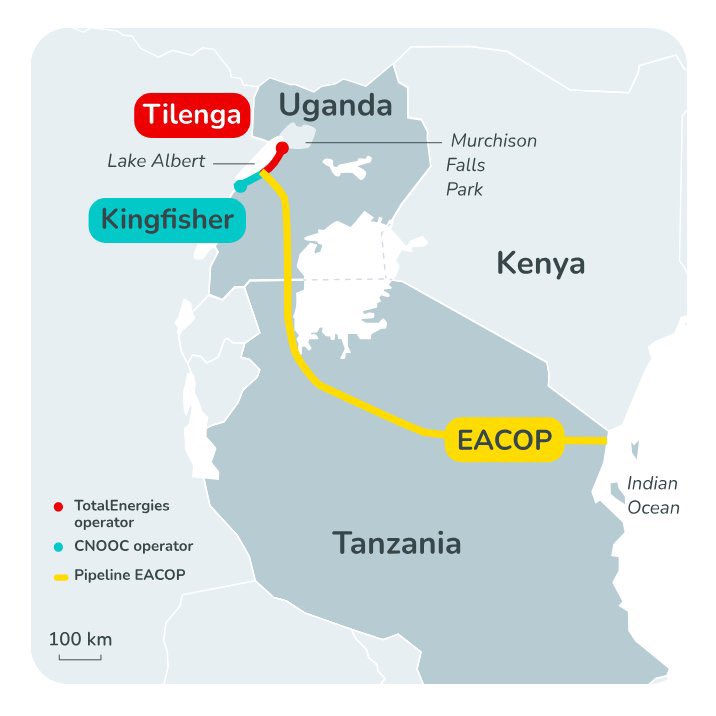
The East African Crude Oil Pipeline (EACOP) project begins in Hoima, Uganda, stretching 296 km across 10 districts, 25 sub-counties, and 171 villages. At its inception, it sparked hope among local communities, who saw it as a chance for economic growth and improved livelihoods. Unfortunately, these promises quickly turned into disillusionment due to the project’s serious human and environmental consequences.
Displaced Communities and Disrupted Livelihoods
Many families were displaced without fair compensation, losing their land, access to water, and agricultural resources. This loss of livelihood has led to rising food insecurity and economic hardship for thousands. Community voices are growing louder in denouncing these violations of basic rights, including the right to decent housing, land, and a healthy environment.
Mounting Pressure on Fragile Ecosystems
Beyond social impacts, the pipeline route threatens ecologically sensitive areas, including natural reserves and vital water sources. The risks of pollution and biodiversity loss are significant, undermining the resilience of already vulnerable ecosystems. The project raises serious concerns about climate justice and calls for an urgent reassessment of its environmental and human implications.
The Editorial Team